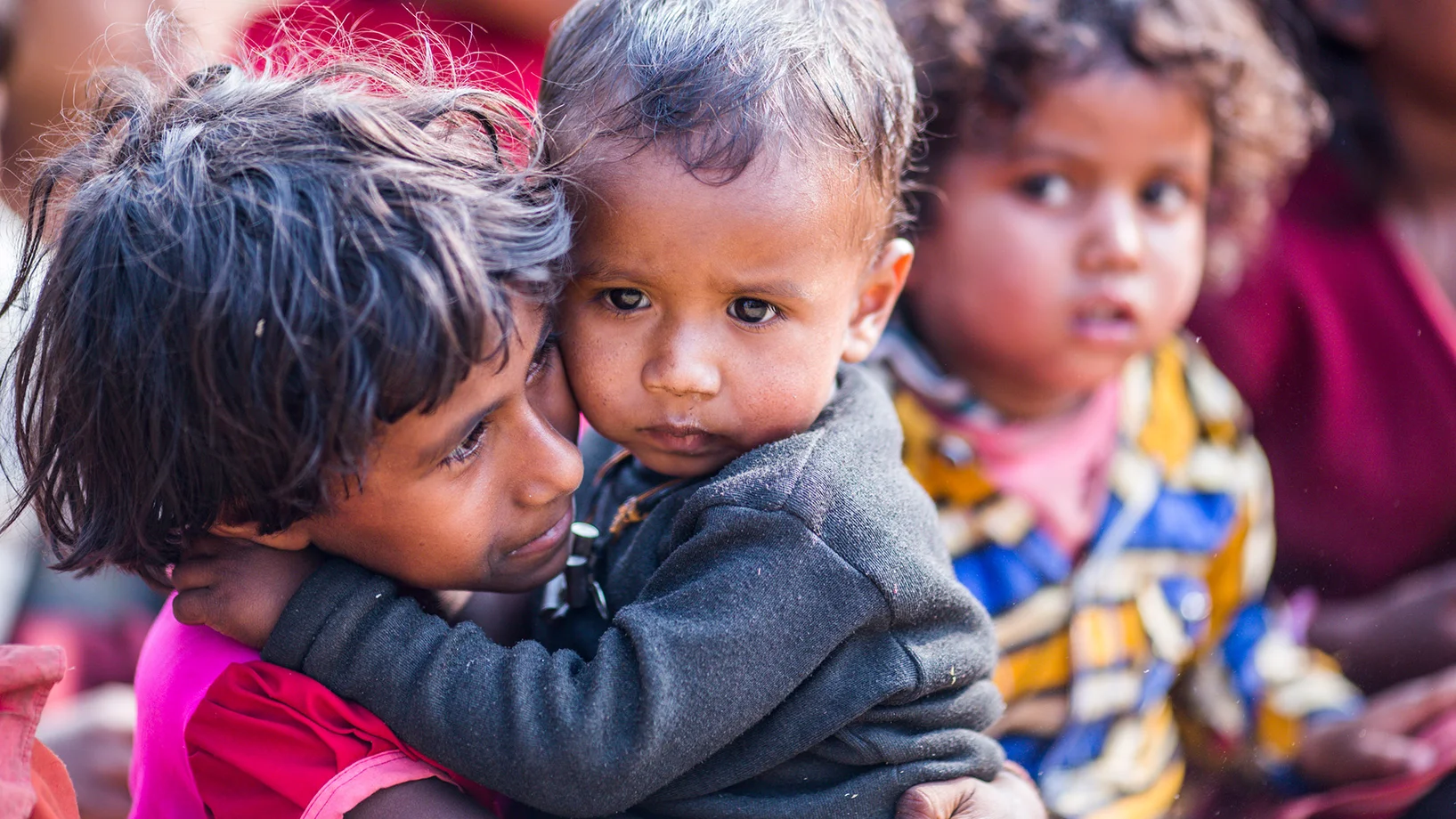
Together with your commitment, we can make the world a better place. By leaving a gift in your will to UNICEF, you can count on our experience and impactful aid.
Four good reasons to consider UNICEF:
- UNICEF is on the ground in 190 countries and does everything in its power to give children the tools they need to live a life of self-determination.
- UNICEF is efficient and given the size of our organization, we can buy the goods we need at the lowest prices, such as medical supplies and teaching materials.
- UNICEF is fast and is prepared to face global catastrophes and has installed emergency plans as well as many warehouses containing emergency supplies in crisis regions.
- UNICEF is transparent. We report accurately on our income and expenses in our annual reports. and learn more about transparency at UNICEF.

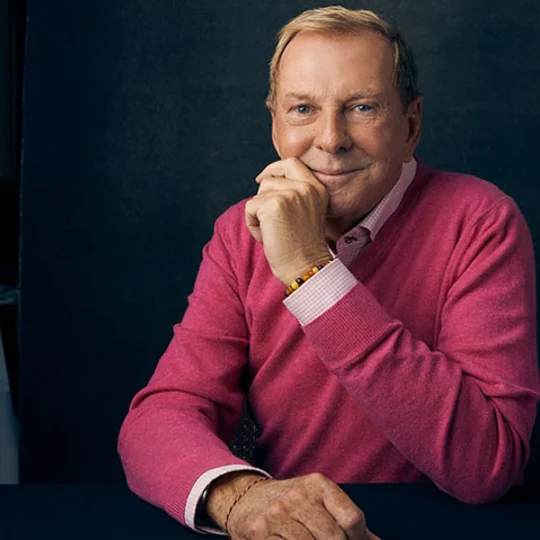
Children bring color to the world. To ensure it stays that way, they are at the heart of my legacy.
How to remember UNICEF in your will
You can appoint UNICEF as an heir in your will. This can be a particularly useful option if you have no relatives or other loved ones who should receive something from your estate.
You can also appoint UNICEF as a legatee in your will if you wish to leave only a part of your estate to UNICEF (e.g. specific valuables, money, cryptocurrency, securities or real estate).
You can also decide that UNICEF should receive the benefits under your life insurance policy or your Pillar 3a savings after your death.
Alternatively, you can make a one-off donation to support UNICEF.

It makes sense to have a will
If there’s no will, the law determines who inherits what. This might not be what you want. Depending on your personal circumstances, a different outcome may be more desirable. With a will, you can organize your estate according to your personal wishes and ideas and provide for those close to you.
No will – the law determines who inherits
With a will, you can organize your estate according to your personal wishes and ideas and provide for those close to you.
The statutory heirs are the descendants of the testator, the parental line (i.e., the parents or, if they’re deceased, the testator’s surviving siblings), and the grandparental line (i.e., the grandparents or, if they’re deceased, the testator’s surviving uncles and aunts). If the testator leaves a surviving spouse behind, the spouse is also a statutory heir and is entitled to a specific share of the inheritance. The state is the final statutory heir.
With a will – more self-determination and room to maneuver
The revised Swiss inheritance law entered into force on January 1, 2023. Under the new law, only the descendants, spouse or registered partner have a claim to a compulsory portion. Parents no longer have compulsory portions. The new compulsory portion for all forced heirs equals half of their statutory portion (previously the compulsory portion of the children was ¾). This means that you have a greater right of disposal of your estate under the new law. You can find more information on legacy giving in our gifts in will guide.
Frequently asked questions
There’s no perfect or bad time to draw up a will. It’s up to you when to do this. You can also amend your will at any time.
No, a will is always a good idea, regardless of your financial situation. If you wish to decide for yourself on the division of your estate, we advise you to make a will. If you appoint UNICEF in your will as an heir or a legatee, even the smallest amount can make a positive change to the lives of many children.
Yes, provided that the statutory compulsory portions are respected. If you don’t have any forced heirs, you can freely dispose of your entire estate.
A will determines what will happen to your estate after your death. Record other important matters – such as who will make decisions for you if you are no longer capable of making sound judgments, what medical treatments you would like to receive, or whether you would like to donate organs – in separate documents:
Advance care directive: With an advance care directive, you designate who will manage your personal, financial and legal affairs if you are no longer able to do so yourself. For more information, please contact the relevant cantonal authorities or your bank.
Living will: In a living will, you specify which medical treatments you consent to or refuse in the event that you are no longer able to express your wishes yourself. You can learn more about this at patientenverfuegung.fmh.ch.
Organ donor card: You can complete an organ donor card to indicate whether you would like to donate organs, tissues or cells after your death. For more information, visit leben-ist-teilen.ch.
These documents supplement your will, but do not replace it. Let someone you trust know where you keep these documents.
We are here for you
Have you ever considered including UNICEF in your will? If you'd like to learn more about how your legacy can help children in need, we are happy to assist you.
Please don’t hesitate to contact me.