UNICEF is a decentralized organization operating around the world in more than 190 countries. Our close cooperation with governments and our local presence enable us to implement long-term programmes and provide rapid and targeted emergency relief in humanitarian crises.
UNICEFs structure
UNICEF’s presence in over 190 countries and territories makes the organization unique. It is the only agency with this level of presence in both national capitals and at the municipal level. UNICEF is committed to long-term results and scalability around the world. As a decentralized organization, more than 85 percent of our staff work in regional, country and field offices around the world. Geneva, for example, coordinates the Eastern Europe and Central Asia regions, humanitarian aid and collaboration with national committees. On the ground in the program countries, national staff and specialists work together with international experts.
Based on UNICEF’s global goals and the Sustainable Development Goals (SDGs), UNICEF works in seven regions around the world.
All regions work across all UNICEF program areas, including health, education and child protection, and contribute to the UNICEF Strategic Plan (2026-2029) and the Sustainable Development Goals (SDGs).
The regional offices are hubs of information, technical expertise, oversight and coordination for the UNICEF country offices. They support these offices in their efforts to raise the funding and resources needed to implement programs. There are seven UNICEF regional offices: Europe and Central Asia, Latin America and Caribbean, Middle East and North Africa, East Asia and the Pacific, Eastern and Southern Africa, South Asia and West and Central Africa.
From the regions, UNICEF further decentralizes its work to the country level. Worldwide there are 150 country offices in what are known as program countries, mostly in the capitals. In these countries UNICEF implements country programs that are developed jointly with their governments and run for up to five years. UNICEF is active in more than 190 countries and territories. Not all countries have a country office, but there too, UNICEF works with strategy and action plans, for example through regional offices or partner organizations.
UNICEF is not limited to national capitals, however. It also works with provincial and municipal governments to ensure that local needs and nuances are jointly identified and incorporated into program planning.
Finally, UNICEF works at the municipal level, where the practical implementation of programs takes place. The knowledge and needs of the local population are crucial to implementation, which is why UNICEF closely involves community leaders and other key decision-makers in the decision-making process.
Strengthening civil society and non-governmental organizations working on the ground is right at the heart of UNICEF’s work. UNICEF works closely with international and local NGOs, known as implementing partners.
Thanks to their expertise and their local presence in communities, UNICEF can work with NGOs to implement programs in the best and most sustainable way. UNICEF’s underlying goal is to ensure that children’s needs are met and supported as effectively as possible. With this in mind, UNICEF selects the best possible partners, which may vary from country to country.
UNICEF’s emergency response
Children around the world are confronted by an unprecedented spate of crises – armed conflicts, displacement, natural disasters and outbreaks of diseases threaten their lives and their futures. Climate change is further aggravating these emergencies.
In every humanitarian crisis, UNICEF is one of the first organizations on the ground. Our presence in more than 190 countries and regions allows us to respond quickly, provide targeted assistance and build long-term resilience.
How does UNICEF's emergency relief specifically look?
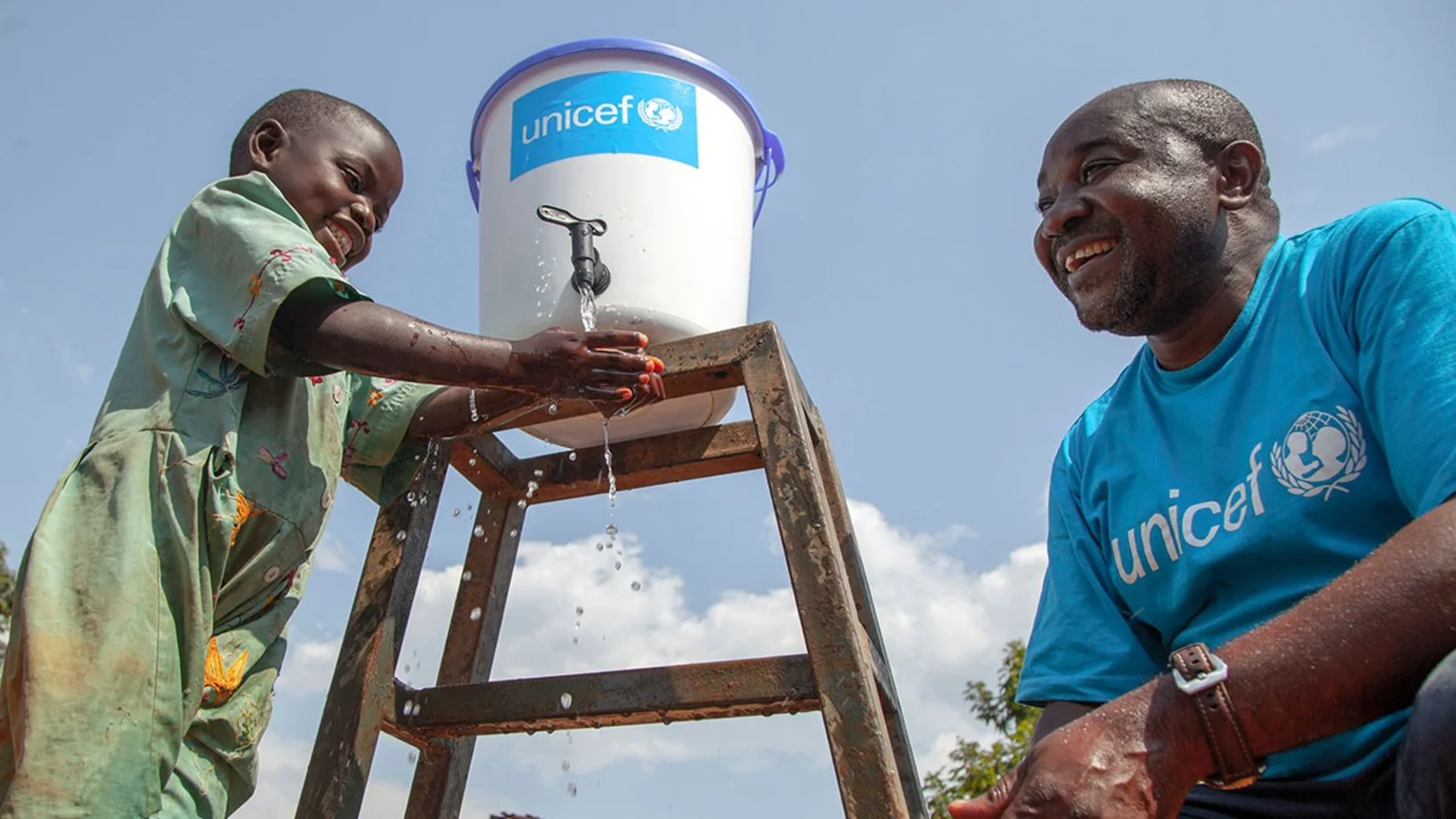
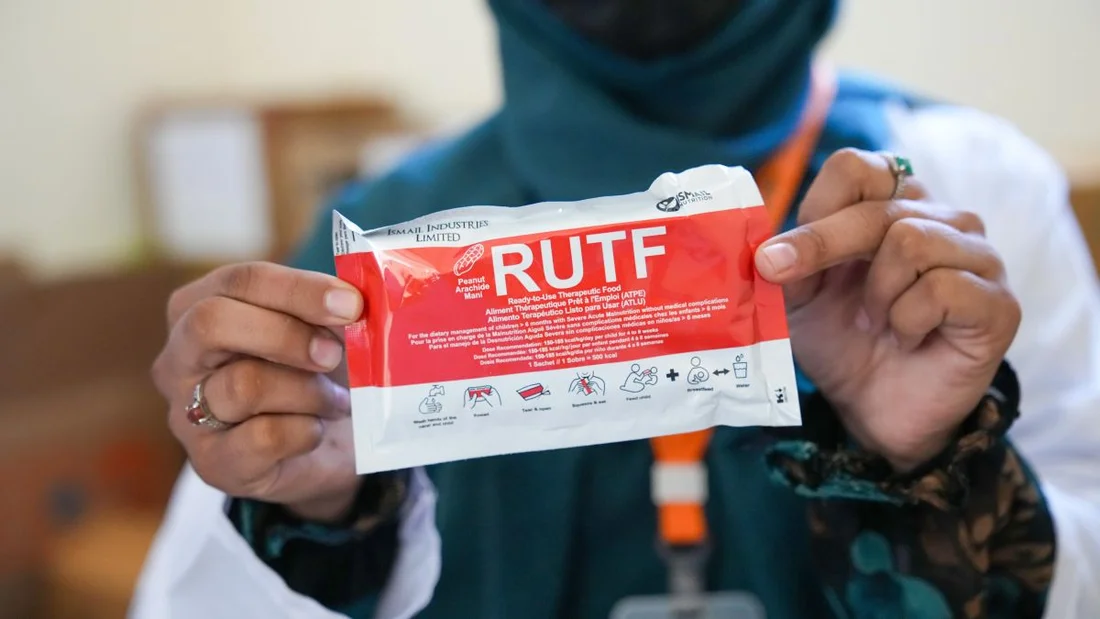
UNICEF's emergency response focuses on the most urgent needs of children and, depending on the crisis, concentrates on providing essential goods and services, including nutrition services, access to clean water and sanitation services, education, medical care and psychosocial support.
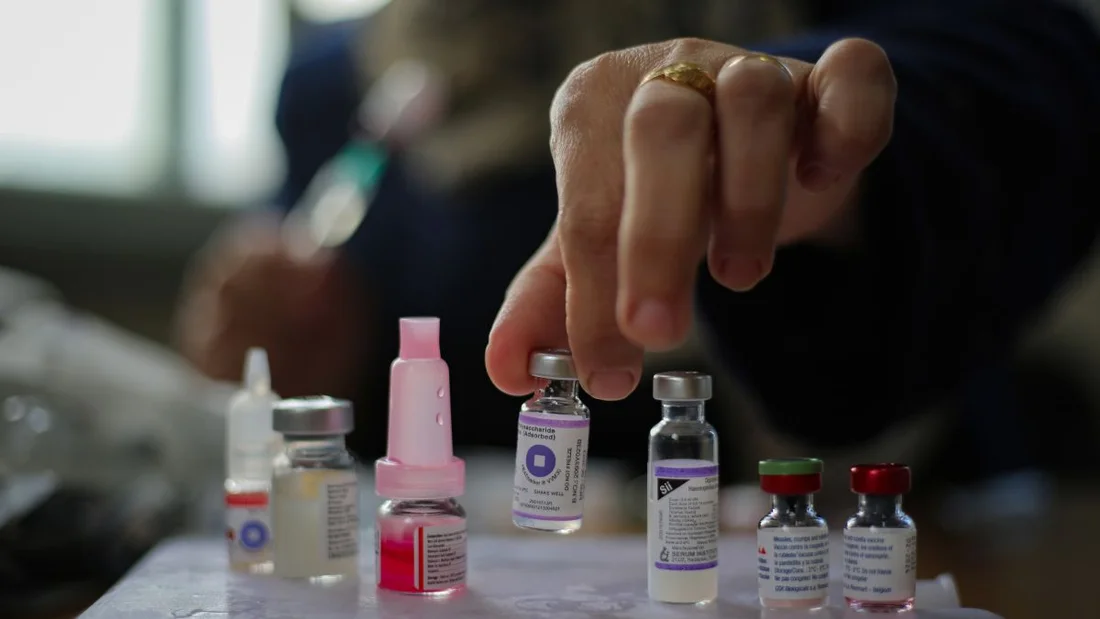
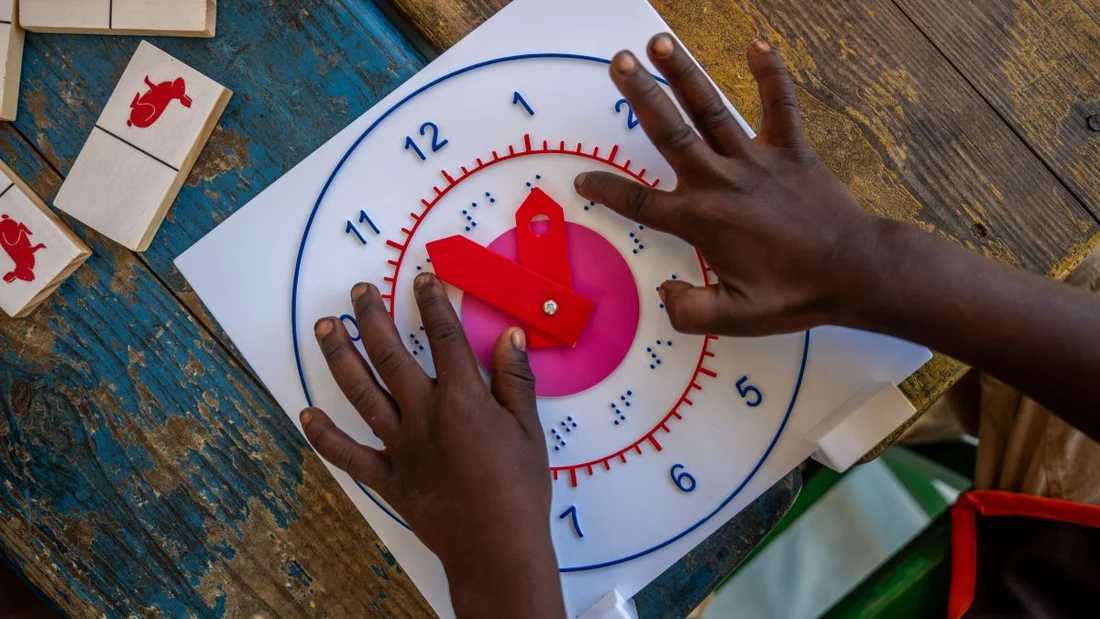
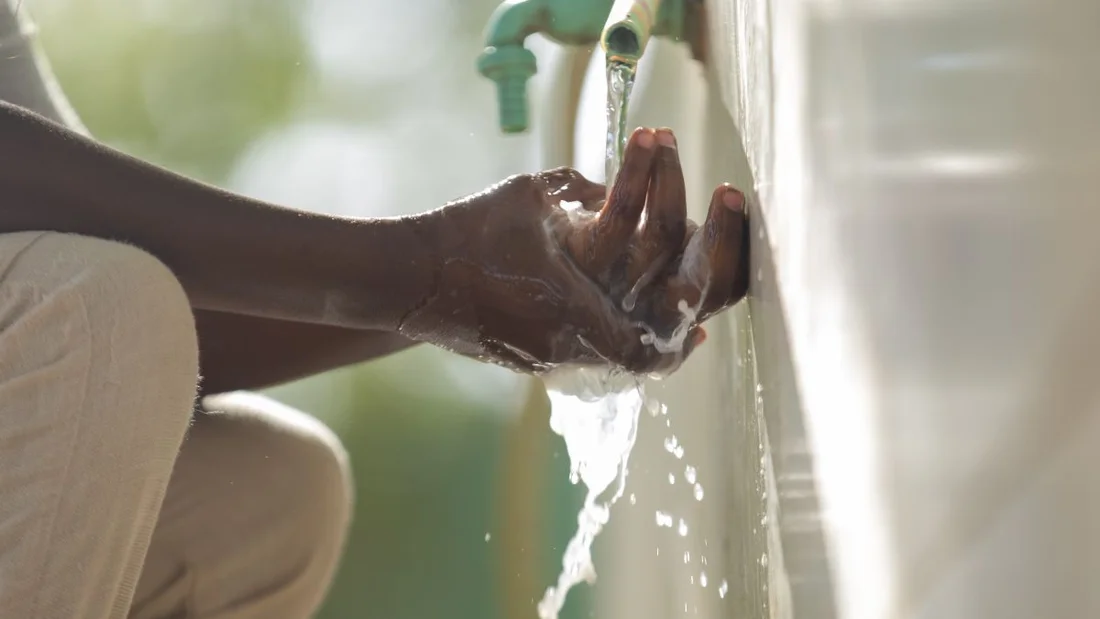

During a humanitarian crisis, many organizations work simultaneously to save lives and relieve suffering. The cluster approach was introduced in 2005 to ensure that this assistance is coordinated, efficient and seamless. Clusters are alliances of humanitarian organizations – from the United Nations as well as non-governmental organizations – in key areas of humanitarian aid such as food, healthcare and logistics.
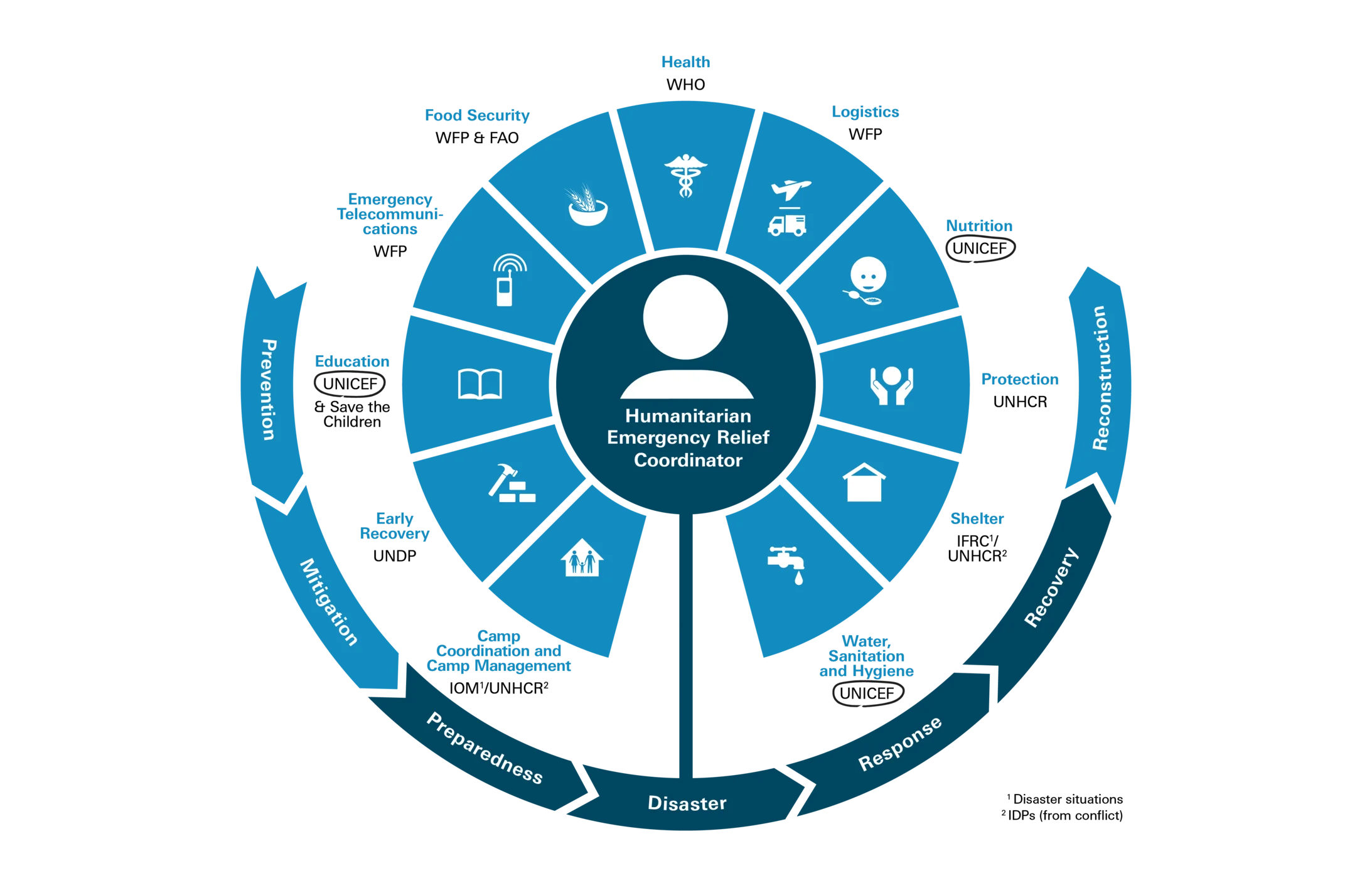
UNICEF leads the WASH (water and hygiene) and nutrition clusters and, together with Save the Children, the education cluster. Within the global protection cluster, UNICEF is also responsible for child protection.
As the cluster lead, UNICEF makes sure that humanitarian assistance is provided in a coordinated, effective and needs-based manner. This includes:
- Aligning and prioritizing relief measures and avoiding overlaps;
- Developing joint standards, strategies and financing plans;
- Closing critical gaps in provision – as the “provider of last resort.”
What makes UNICEF’s emergency response stand out?
When a crisis arises, UNICEF can deliver lifesaving emergency supplies to every corner of the earth within 72 hours.
The special peanut-based therapeutic food contains valuable nutrients and is easy to use. It is known as one of the most effective ways to treat children suffering from severe acute malnutrition.
In addition to providing immediate emergency relief, UNICEF reinforces the long-term resilience of communities and combines humanitarian aid with development cooperation.
UNICEF leads multiple global clusters and makes sure that measures are coordinated with one another and consistently place children at the center.
Close collaboration with governments, municipalities and partner organizations leads to sustainable, locally rooted solutions.
International program work of UNICEF Switzerland and Liechtenstein
As one of a total of 32 national committees, we at UNICEF Switzerland and Liechtenstein support programs and emergency relief in more than 30 countries worldwide. The countries and programs supported are selected on the basis of both the UNICEF Switzerland and Liechtenstein strategy and the Strategic Plan (2026–2029) of UNICEF International.
The international program work of our national committee is carried out in close collaboration with the UNICEF country offices and comprises the following:
- Strategically guiding program support for the National Committee;
- Preparing program proposals and program reports for companies, foundations and major donors;
- Developing program documentation in close cooperation with country offices;
- Monitoring the programs supported by the National Committee;
- Ensuring the flow of funds for the implementation of the programs in the supported countries and their use in line with donors’ wishes;
- Assessing and analyzing global developments and current humanitarian crises, and their impact on UNICEF’s program work and emergency relief.