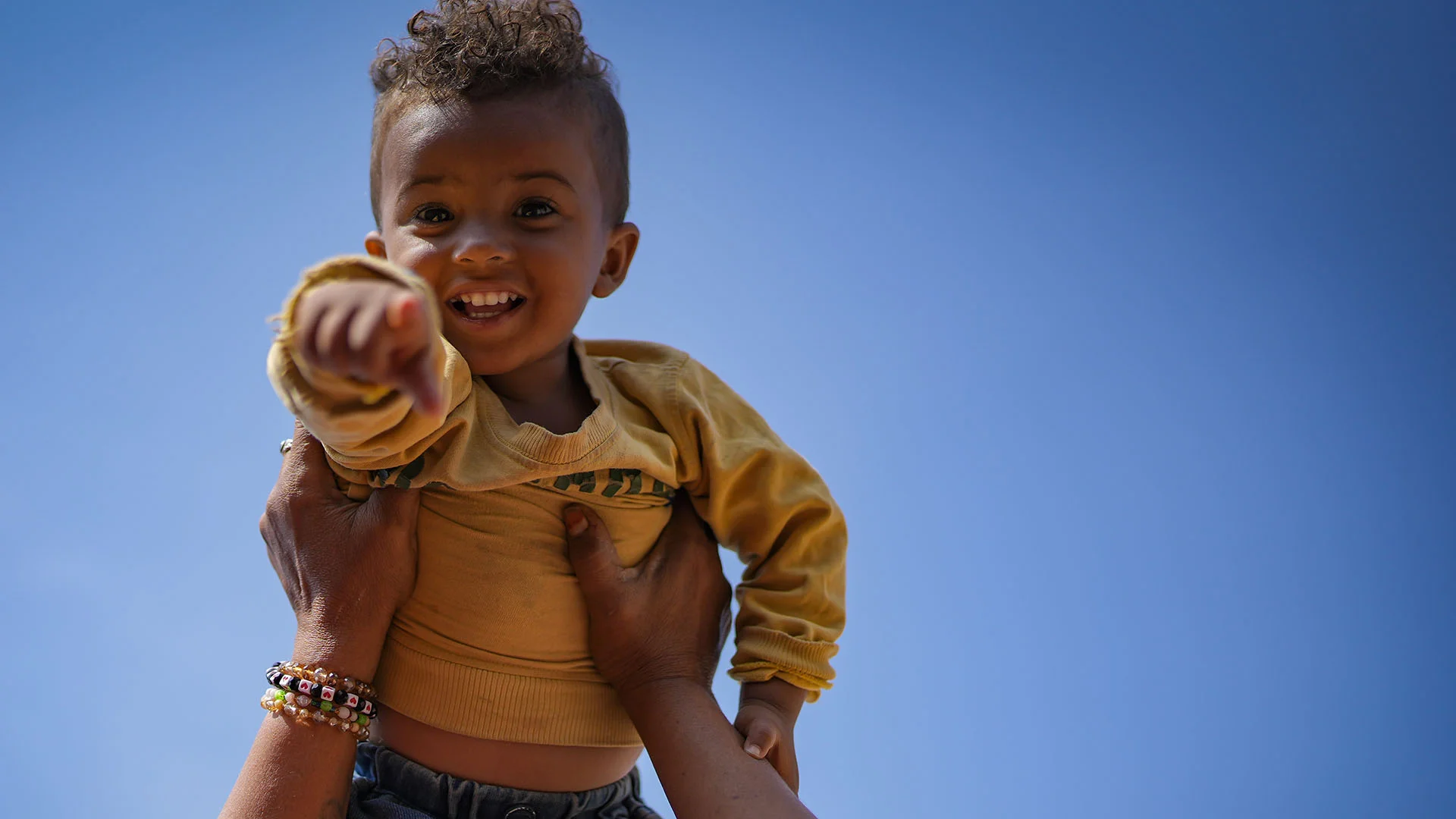
The United Nations International Children’s Emergency Fund (UNICEF) was established 80 years ago, with the aim of helping girls and boys in need. The idea behind it was to help starving and sick children in devastated Europe after the Second World War. This aid was intended to benefit all children, regardless of the role their home country had played in the war. The declaration establishing the Fund states: “The hope of the world rests in the coming generations.” The world has changed dramatically over the intervening years, but UNICEF’s mission is every bit as urgent today as it was then.
1946: Establishment
The International Children’s Emergency Fund (ICEF) is established by the UN Relief and Rehabilitation Administration to help children affected by the Second World War. ICEF is intended to support the health of children in general, with aid to be distributed to all children without discrimination.
On December 11, 1946, the United Nations Children’s Fund (UNICEF) is established by a resolution of the United Nations General Assembly.
1947: First donation
The first private contribution to UNICEF is received. To this day, UNICEF relies on millions of supporters to help improve children’s lives.
1947: Establishment of the first National Committee
In the same year, the first UNICEF National Committee is founded in the United States. The National Committees are a support network of independent charitable organizations that raise funds to further UNICEF’s work around the world.
1949: First greeting card
The first UNICEF greeting card is issued. Sales of greeting cards soon become one of the organization’s largest and most enduring fundraising campaigns.

1953: Specialized organization of the United Nations
UNICEF becomes a permanent organization of the United Nations. The words “International” and “Emergency” are dropped from the official name, but the acronym UNICEF is retained.
1959: Declaration of the Rights of the Child
The United Nations Declaration of the Rights of the Child defines the rights of children to protection, education, healthcare, shelter and good nutrition.
1961: Focus on education
UNICEF expands its focus to children’s education. Programs to support it are launched worldwide and continue for many years.
1965: Nobel Peace Prize

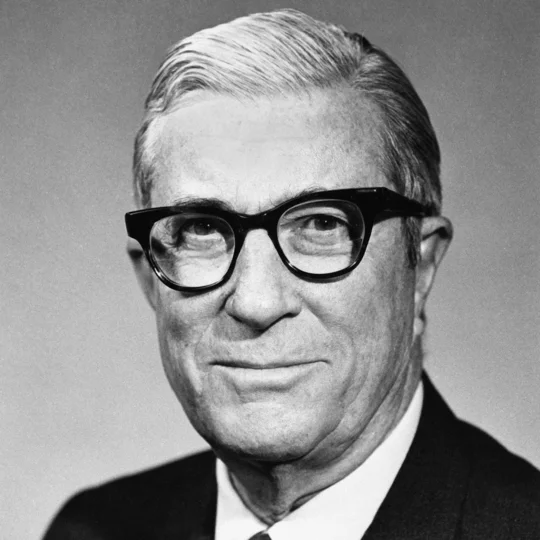
UNICEF is awarded the Nobel Peace Prize “for its effort to enhance solidarity between nations”. The award of the Nobel Peace Prize recognizes UNICEF’s work for children as contributing to peace.
“The welfare of today’s children is inseparably linked with the peace of tomorrow’s world.”
1968: Vietnam War
UNICEF provides emergency aid to both North and South Vietnam during the Vietnam War, adhering to its philosophy of non-political and non-discriminatory assistance.
1970: Rehydration therapy
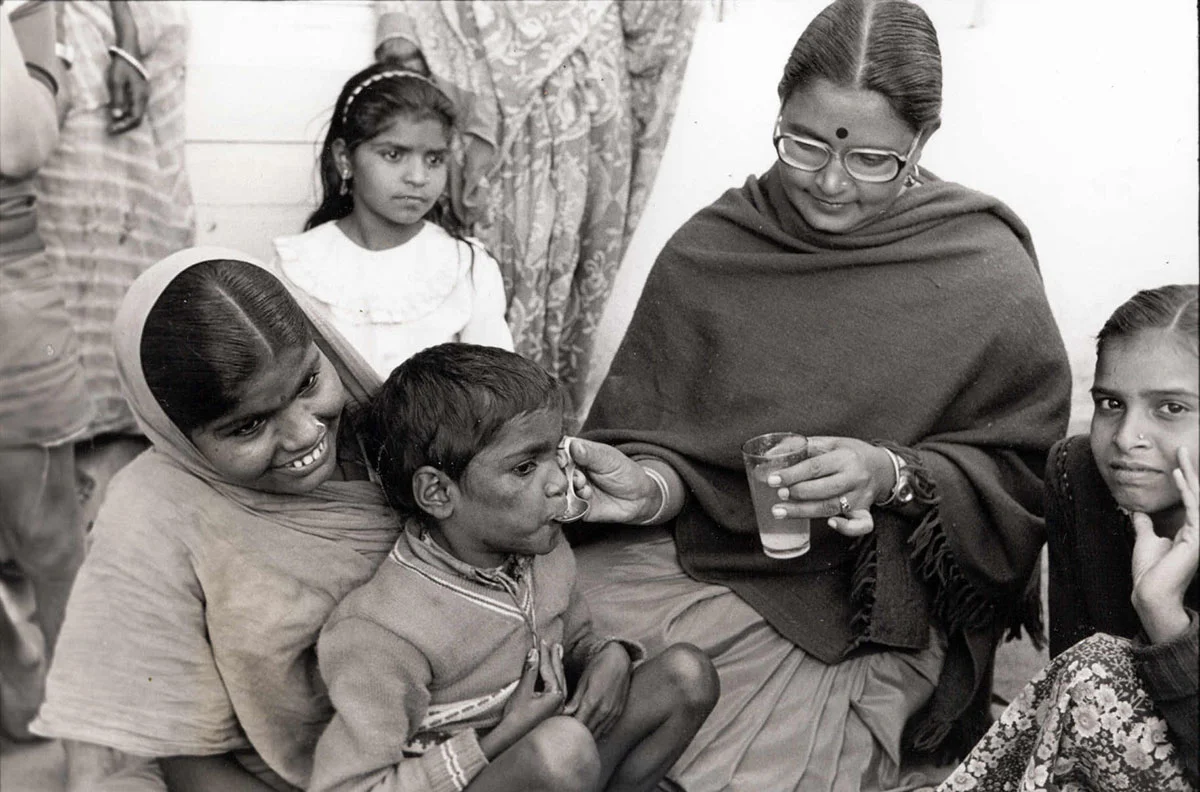
Diarrhea is one of the leading causes of death among children under five worldwide. In response, UNICEF develops a mixture of salts and glucose: oral rehydration therapy is born and has been saving millions of children’s lives ever since.
1971: Children’s wellbeing
The rapid pace of demographic change and urbanization leaves children facing major threats to their development and wellbeing. UNICEF launches programs worldwide to end the suffering of children in urban slums.

1975: Mark II water handpump
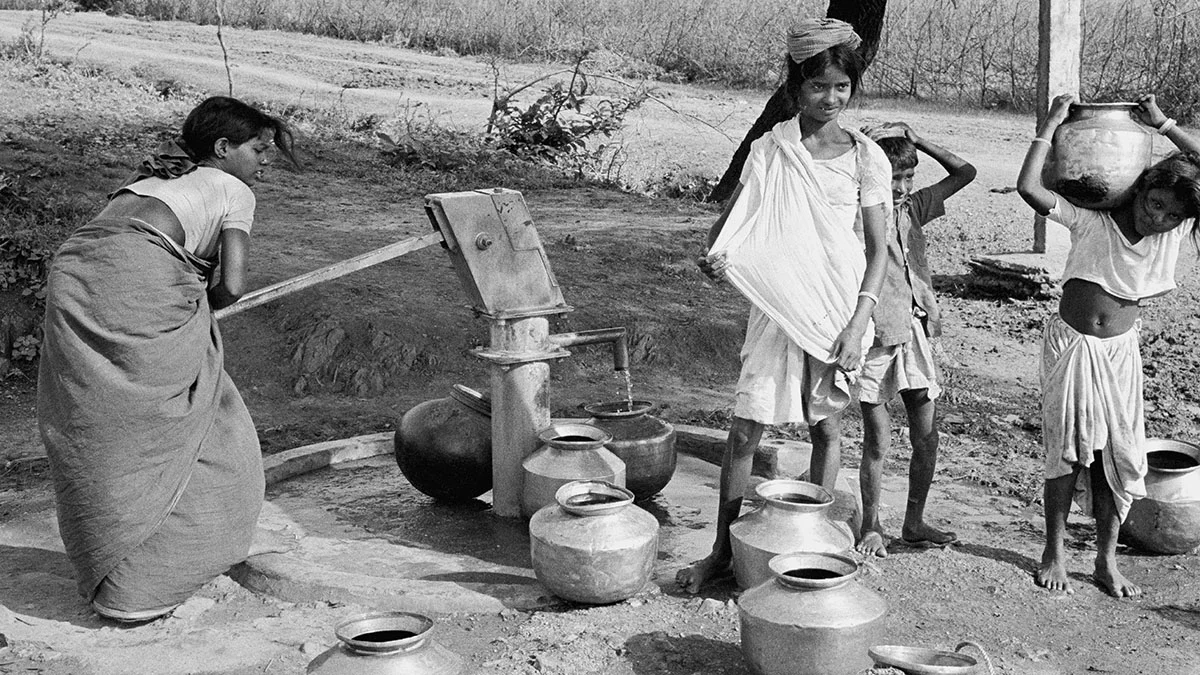
To address the severe drought and water scarcity in India, UNICEF works with the WHO to develop the Mark II water handpump. Still the most widely used water pump in the world, it improves the lives of millions of people. More than a million pumps were produced in just 20 years.
1979: Khmer Rouge in Cambodia
After the fall of the Khmer Rouge regime, UNICEF is one of the first organizations to return to Cambodia and initiate much-needed emergency relief.
1979: International Year of the Child
The United Nations declares 1979 the International Year of the Child, to raise awareness of the conditions facing the world’s children and to encourage action to promote children’s rights.
1982: GOBI campaign
UNICEF launches the GOBI campaign to ensure the survival of children under five. The main pillars of the new approach include growth monitoring, oral rehydration, breastfeeding and immunization.
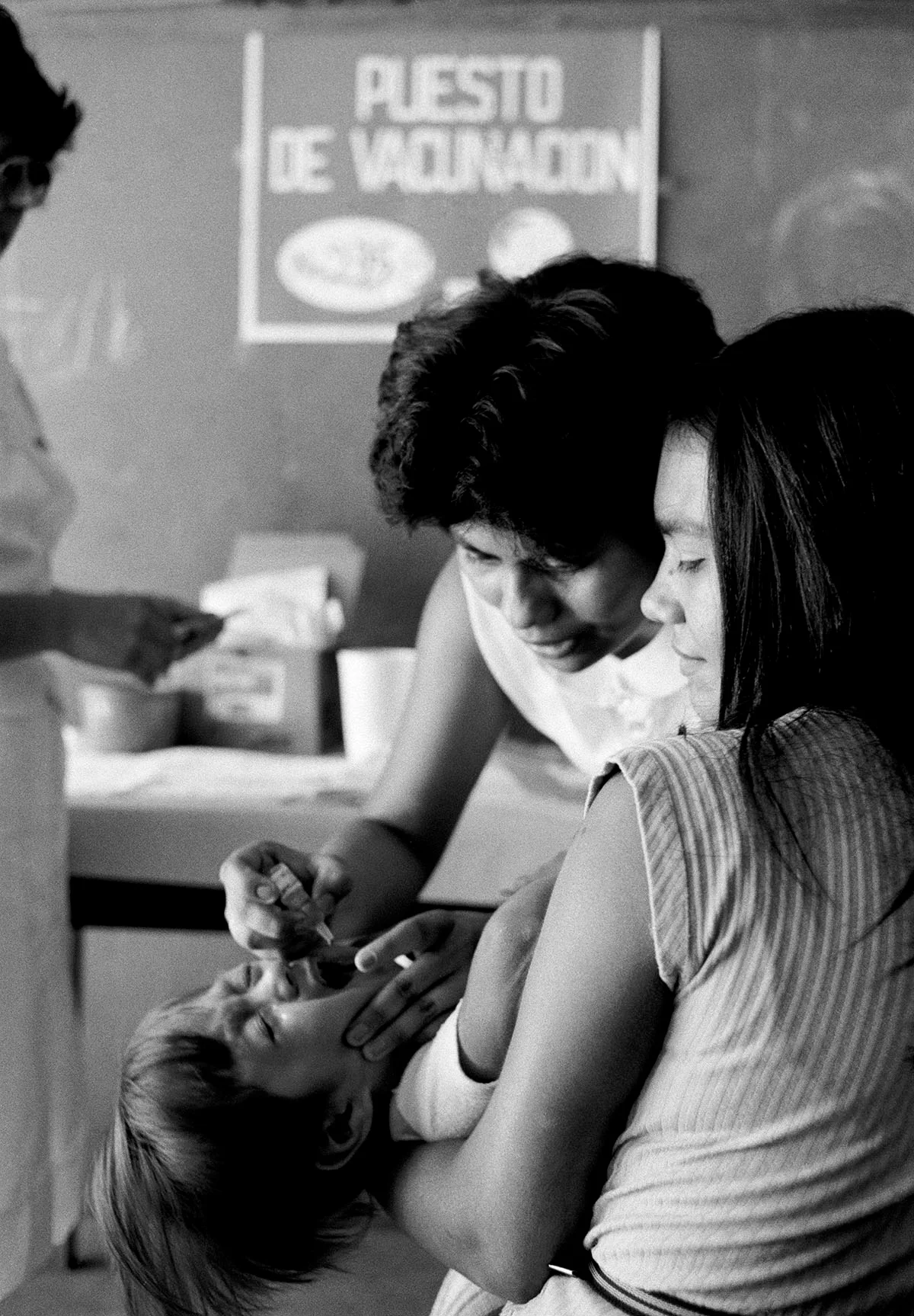
1985: Mass vaccination in El Salvador
A ceasefire in El Salvador’s civil war, based on the UNICEF-supported concepts of “children as a zone of peace” and “periods of calm” for humanitarian aid, allows for three days of mass vaccination of children. This approach is later used in Lebanon (1987), Sudan (1989), Iraq (1991), and elsewhere with increasing frequency through to the 1990s.
1988: Establishment of Innocenti
The Innocenti International Child Development Centre is established in the historic Innocenti building in Florence, Italy. The center has been conducting innovative, policy-relevant research for UNICEF and the broader community ever since.
1989: UN Convention on the Rights of the Child
A milestone for children’s rights worldwide. 159 UN Member States adopt the UN Convention on the Rights of the Child, guaranteeing the right to survival, development, protection and participation for every child.
This worldwide “constitution” for children remains the most important basis of UNICEF’s work to this day.
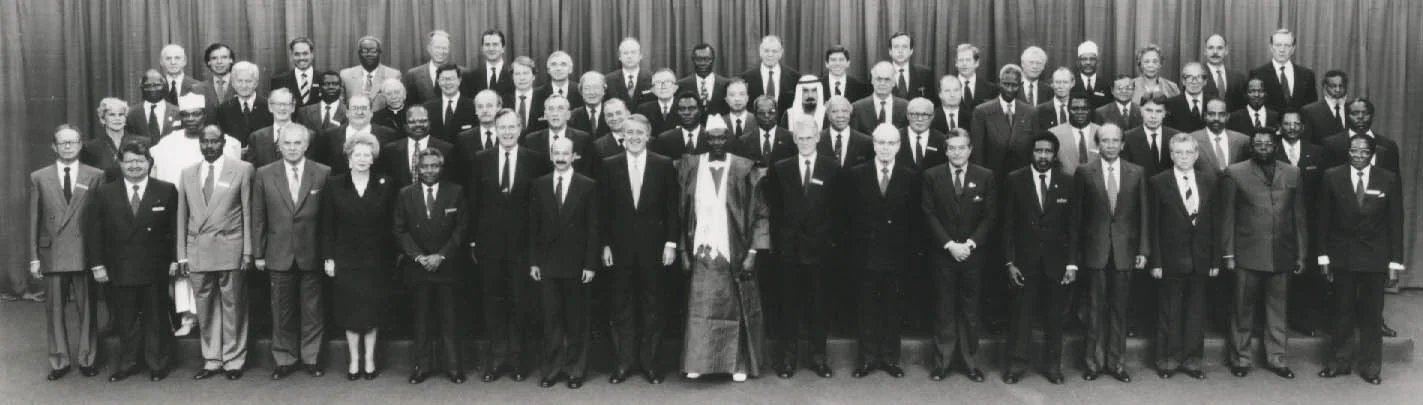
1990: First World Summit for Children in New York
In 1990, 40,000 children worldwide are still dying every day before they reach the age of six. UNICEF brings together 150 heads of state and government at the first World Summit for Children in New York to find joint solutions. Never before have so many representatives from such a wide range of countries addressed an issue together.
1993: Life expectancy increases
By the end of 1993, life expectancy in developing countries has risen by around a third since the end of the Second World War. Infant and child mortality rates have been halved, the percentage of children enrolling at school has risen from 50 percent to 75 percent, and access to safe drinking water for families in rural areas has increased from just 10 percent to nearly 60 percent.
1994: School-in-a-Box
UNICEF and UNESCO invent the School-in-a-Box to provide uninterrupted education for children in humanitarian crises. In addition to paper and pencils, the box contains toys, a radio and a paint tin that can turn any flat surface into a blackboard. This enables teachers to set up classrooms virtually anywhere and teach around 40 students for at least three months.

2000: The Millennium Development Goals
The United Nations adopts the eight Millennium Development Goals, a set of binding targets for all Member States. Combating poverty, maintaining peace and protecting the environment are confirmed as the most important goals. These are central to children’s development and survival, since even at the start of the 21st century, millions of children are growing up in extreme poverty without access to healthcare or schooling, especially in Africa and South Asia.
2002: Optional Protocols
Two additional treaties, referred to as Optional Protocols, enter into force to complement the UN Convention on the Rights of the Child. The first concerns the involvement of children in armed conflict. It obliges states parties to take measures to combat the recruitment and use of child soldiers. The second protocol concerns the sale of children, child prostitution and child pornography, and supplements Articles 34 and 36 of the Convention on the Rights of the Child. Switzerland has ratified both Optional Protocols.
2004: Tsunami
On December 26, 2004, a major earthquake in the Indian Ocean triggers a devastating tsunami that claims the lives of over 200,000 people. UNICEF provides extensive emergency and reconstruction aid in one of the largest relief operations in its history.

2005 to 2010: Unite for Children, Unite against AIDS
UNICEF launches the Unite for Children, Unite against AIDS campaign to mobilize resources and accelerate action for children at risk from HIV and AIDS.
2007: Plumpy’Nut
Searching for a way to successfully treat children suffering from severe acute malnutrition, UNICEF works with the WHO to develop Plumpy’Nut, a peanut paste. A seven-week course of treatment is often enough to restore a starving child to a stable condition.

2010: Arab Spring
The upheavals caused by the Arab Spring and the resulting crisis in Syria pose unprecedented challenges for UNICEF.
2011: Third Optional Protocol
A Third Optional Protocol, adopted in 2011 and entering into force in 2014, allows children to bring complaints about violations directly to the Committee on the Rights of the Child.
2014: India becomes polio-free
On February 11, 2014, India, which once had 200,000 crippling cases of polio each year, celebrates six years without a single case of wild poliovirus. This is a milestone in UNICEF’s global immunization campaign against wild poliovirus.

2014: RapidPro
UNICEF launches the first version of RapidPro, an open-source platform for sharing real-time data across health, education and youth engagement platforms.
2015: Sustainable Development Goals
On September 25, the heads of state and government of the 193 UN Member States adopt the 2030 Agenda for Sustainable Development (Sustainable Development Goals or SDGs). At its core are 17 goals designed to advance economic, social and environmental development. More than 100 Member States renew their commitment to children’s rights as part of the implementation of the SDGs. Find out more here.
2015: Mobile technology
Mobile technology makes the distribution of medicines and supplies faster and more accurate. This is especially important during the Ebola crisis in West Africa.
2019: 30 years of the UN Convention on the Rights of the Child
On the thirtieth anniversary of the ratification of the UN Convention on the Rights of the Child, UNICEF reviews the progress made and looks forward to the future.
- Child mortality rate: The mortality rate among children under five has fallen by around 60 percent over the past three decades, with each region seeing a reduction of more than 40 percent.
- Education (access, gender equity and quality): In 1990, almost 20 percent of children of primary school age did not attend school. Since 2019, this figure has been lower than 10 percent globally. Inequality between girls and boys in terms of their access to primary education has largely disappeared in most countries, with some exceptions in Africa, the Middle East and South Asia. However, the number of children not attending primary education had been stagnating since 2007. This is due in part to the rapid growth of the child population worldwide, especially in Africa. There are also doubts over the quality of schooling, with a remarkably high number of children not achieving the necessary learning outcomes despite being in school.
- Child protection: In 1988, before the Convention on the Rights of the Child came into force, only three countries had banned corporal punishment in all settings. This number has now increased to 58, a sign of tremendous progress on the legislative front. Child marriage is also on the decline worldwide, although many countries have made little or no progress.
2020: Africa becomes polio-free
Africa is declared free of wild polio on August 24, 2020. The virus remains endemic only in Afghanistan and Pakistan.
2020: Coronavirus pandemic
The SARS-CoV-2 coronavirus spreads across the globe in early 2020, bringing the entire world virtually to a standstill. The pandemic further exacerbates levels of poverty and hunger among those most in need. The plight of children is great, and our work is now more important than ever.
2021: COVAX – Distributing vaccines equitably
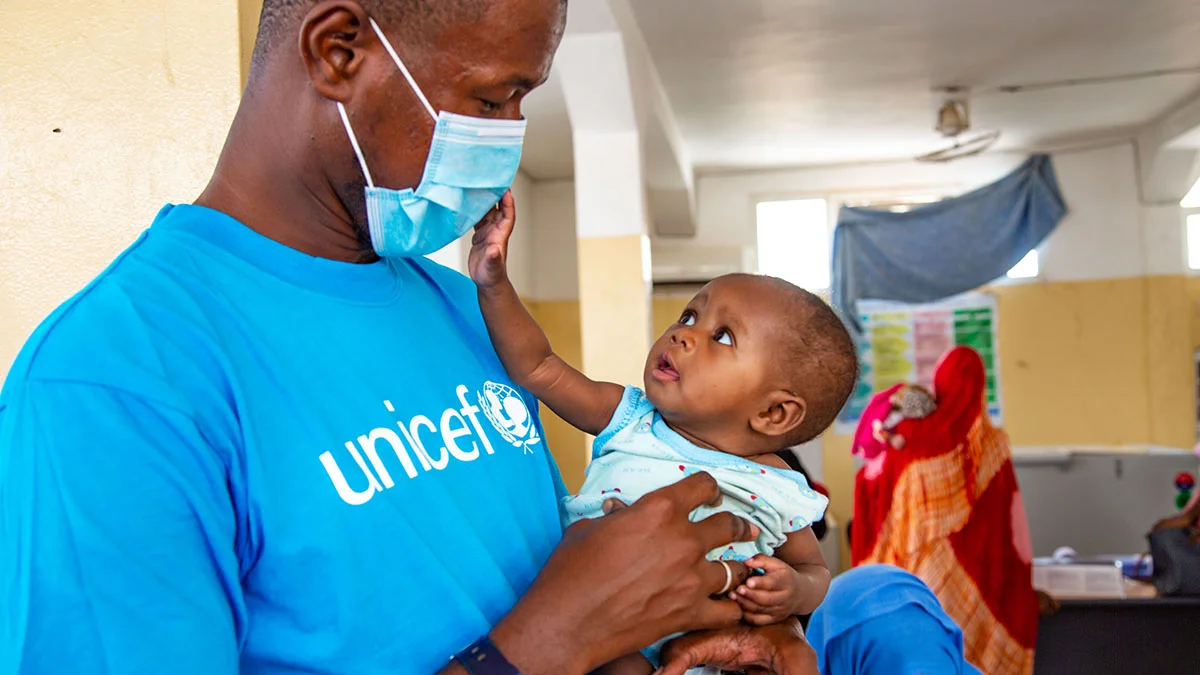
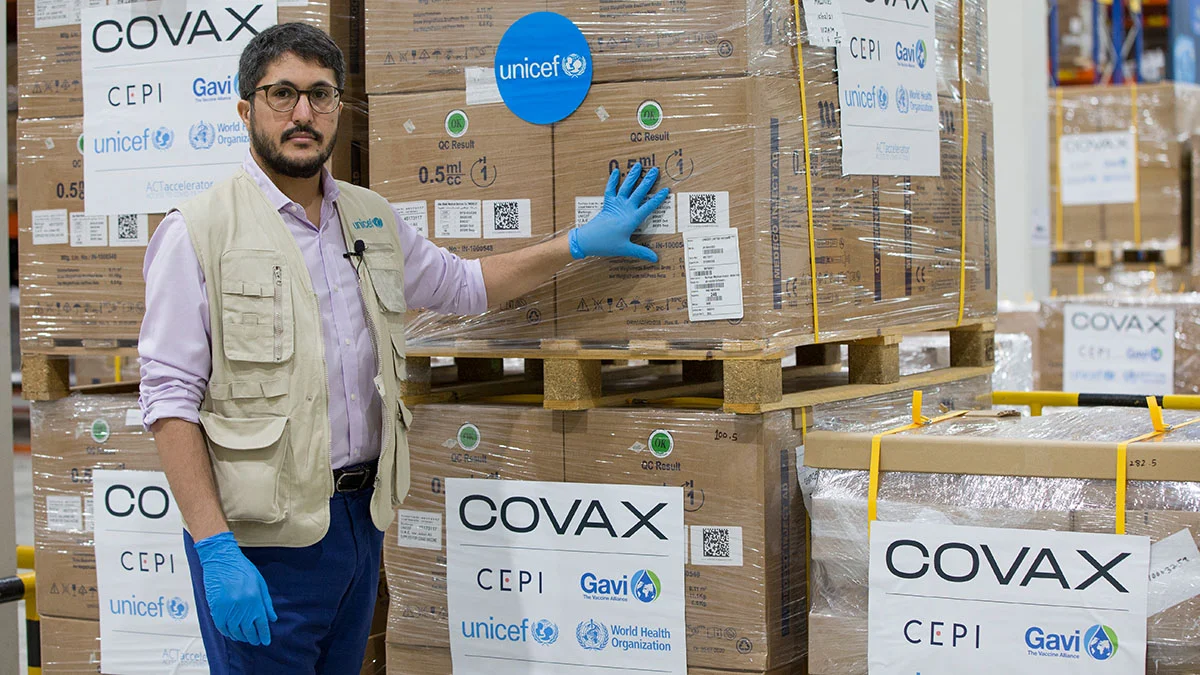
UNICEF took on a key role in the global procurement and delivery of COVID-19 vaccines through COVAX. In February 2021, the first COVAX vaccine doses arrived in Ghana; just 42 days later, more than 100 countries and territories had received vaccines. In 2021, COVAX delivered a total of 958 million vaccine doses to 144 countries, making UNICEF part of one of the largest and most complex vaccination and distribution campaigns in history.
2022: Ukraine – War in Europe
The escalation of the war in Ukraine put millions of children in harm’s way. Flight, family separation, attacks on civilian infrastructure and months-long disruptions to education, protection and medical care have become part of their daily lives. The crisis triggered the largest wave of migration in Europe since World War II, affecting many host countries as well – including Switzerland. UNICEF’s emergency assistance in Ukraine and neighboring countries includes safe drinking water, health and psychosocial services, child protection and cash assistance as well as learning/safe spaces for children and families.

2023: Launch of the Child Nutrition Fund
Through the Child Nutrition Fund, UNICEF helps countries ensure women and children have sustainable access to essential nutrition. The Fund connects national funding with international support: Government funding for food assistance programs can be supplemented or matched by additional contributions. This ensures that essential services – for example, specialized therapeutic food or nutrition services for mothers and children – reach those who need them most urgently. In 2025, the Fund received a historic contribution of up to $500 million from the Bezos family.
2023: Malaria vaccines for children
A historic milestone for children’s survival: In 2023, UNICEF delivered approximately 6.2 million doses of the first-ever malaria vaccine to seven African countries. The vaccines supplemented proven measures against malaria and helped protect even more children from one of the world’s most dangerous childhood diseases.
2025: AI for every child
With the “AI Strategy 2025–2030: AI for every child,” UNICEF established a framework to ensure AI is used in the best interests of children. Its focus is on the protection of children's rights, equitable access and digital solutions that benefit children everywhere.