Malnutrition among children in the Gaza Strip is beginning even before birth, driven by rising rates of malnutrition among mothers. This has a “devastating domino effect on thousands of newborns,” said UNICEF spokesperson Tess Ingram, speaking today via video link from Gaza to a press briefing in Geneva.
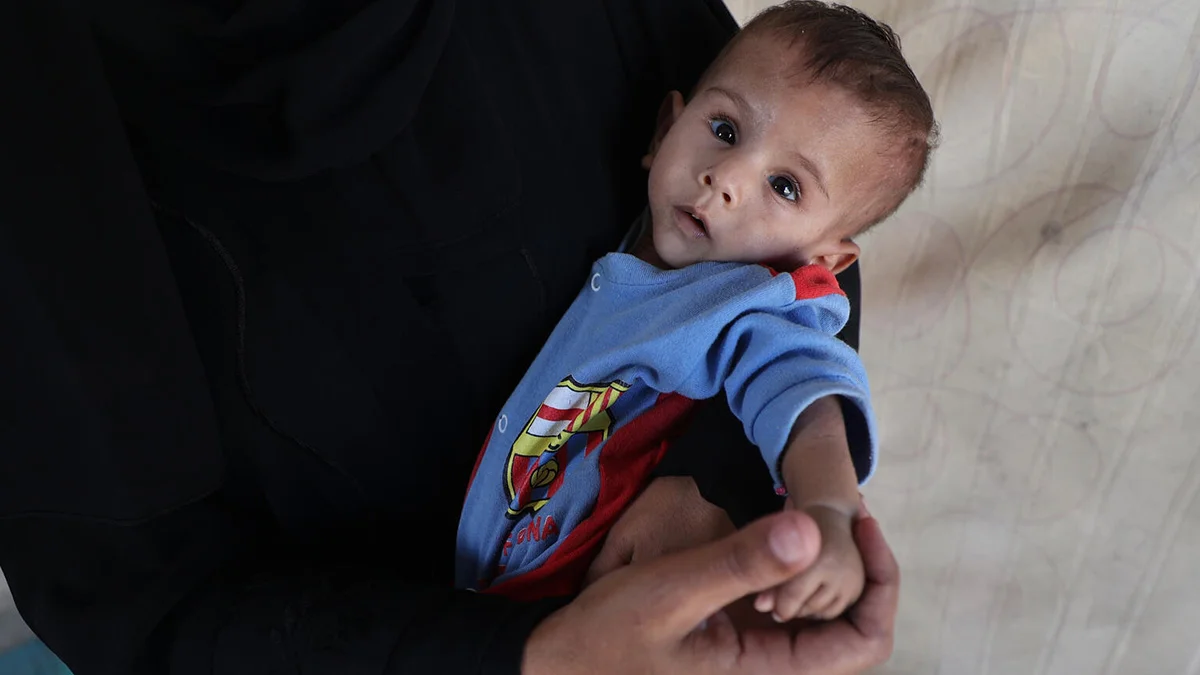
Between July and September this year, around 38 per cent of pregnant women screened by UNICEF and partners were diagnosed with acute malnutrition. “The pattern is unmistakable – malnourished mothers are giving birth to babies who are underweight or born too soon. These newborns are dying in Gaza’s neonatal intensive care units or surviving only to struggle with malnutrition themselves and potentially lifelong health complications,” Ingram said.
Compared with 2022, the proportion of babies born with low birth weight (under 2.5 kilograms) has doubled from five per cent to ten per cent. In the first half of 2025, this meant around 300 underweight babies were born each month. The figure continued to rise to an average of 460 per month between July and September. Babies with low birth weight face a roughly 20-fold higher risk of death than those born at a healthy weight.
“In Gaza’s hospitals, I met newborn babies weighing less than one kilogram, their tiny chests heaving with effort just to stay alive,” Ingram said.
Children across the Gaza Strip remain at grave risk from hunger and malnutrition. While there has been some progress in recent weeks, around 9 300 children under five were still identified as acutely malnourished in October.
Heavy rains and flooding in recent weeks, along with winter conditions, are placing children at additional risk. Thousands of families continue to live in temporary shelters where access to safe drinking water and sanitation is severely limited.
UNICEF has further scaled up its response to reach more children with therapeutic food, safe water and warm clothing. Since the ceasefire, UNICEF has provided nutritional supplements to more than 45 000 pregnant and breastfeeding women, screened over 150 000 children under five for acute malnutrition and treated more than 14 000 of them. UNICEF has also delivered 5 000 family tents, around 700 000 blankets and 206 000 winter clothing kits into Gaza.
UNICEF continues to appeal for support for children in Gaza. More information on UNICEF’s ongoing response can be found here.