The situation
The winter of 2026/2027 poses a serious threat to many families. Tents and bombed-out buildings provide little protection from the elements. Children can’t stay warm in wet clothes, blankets and sleeping areas. At the same time, damage to water pipes, power grids and heating systems disrupts the supply of essential services to families.
These conditions are life-threatening to infants and young children already weakened by malnutrition or illness, putting them at risk of hypothermia or respiratory illnesses.
In Ukraine, another winter of energy disruptions
Ukraine is facing a fifth winter of war and it is expected to be the most dangerous for children.
Repeated attacks have caused severe damage to the energy infrastructure. Power outages disrupt the supply of water and heat, forcing schools to close temporarily and healthcare facilities to seek alternative power sources. When air raid sirens sound, children sometimes have to spend hours in cold, dark bomb shelters.
In Ukraine, 2.2 million children need humanitarian aid, and winter puts an additional burden on their families: they need fuel and warm clothing, even while attacks continue to threaten basic supplies.
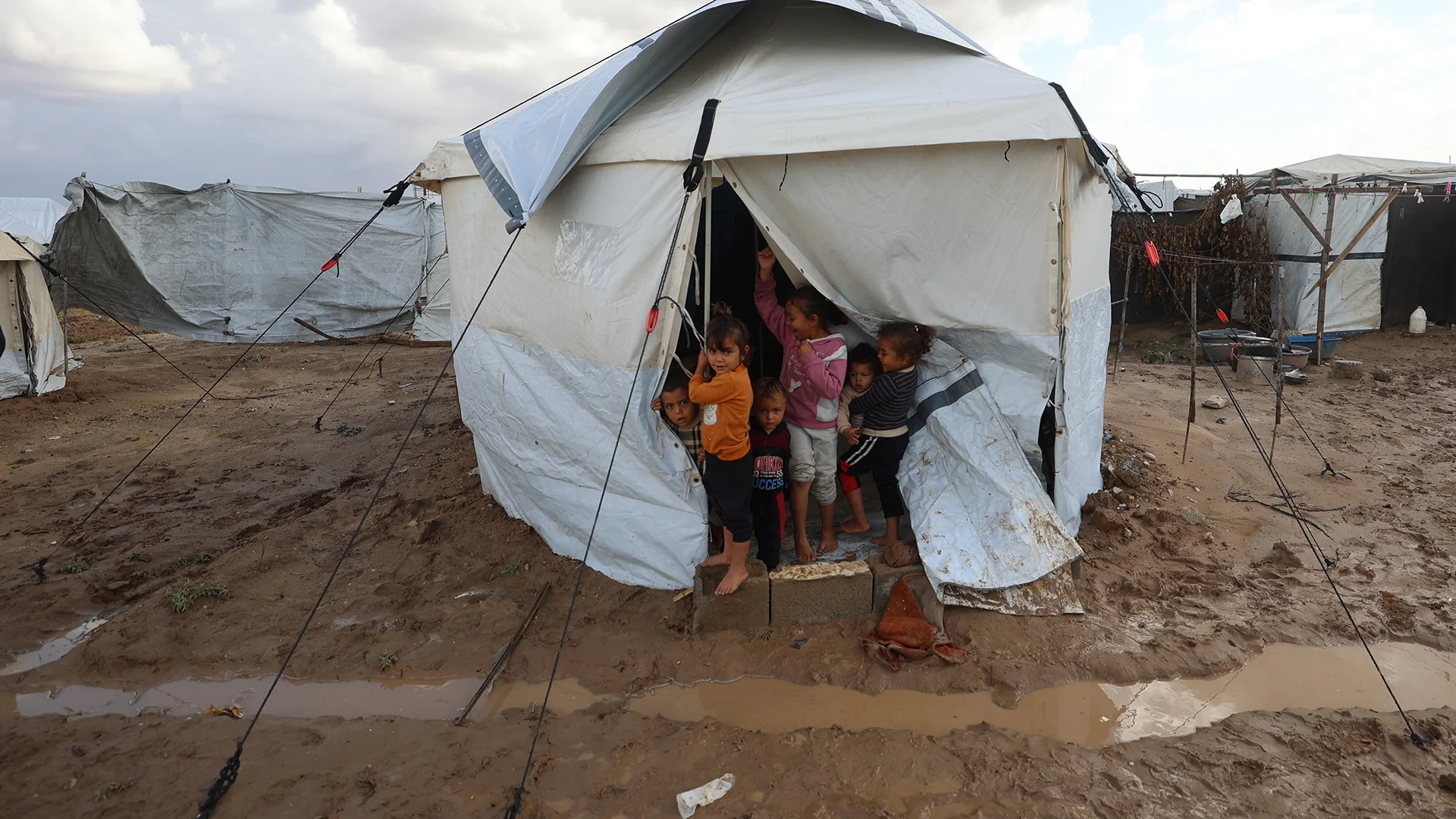
In Gaza, families live in inadequate housing unprotected from rain and cold
More than 1.76 million people in Gaza are living in overcrowded displacement sites or in war-damaged buildings. Many of the tents and emergency shelters in use cannot provide adequate protection from the elements. Water can seep in and soak clothes, blankets and mattresses, leaving families without a dry place to sleep and stay warm.
Last winter, at least 11 children died of hypothermia, some of them infants. The winter of 2026/2027 has already claimed lives: in Deir al-Balah, three children and their mother were killed in November when a sand dune collapsed onto their tent following heavy rains.
Cold and wet conditions also increase the risk of hypothermia and respiratory infections. In addition, floodwaters can carry wastewater into living quarters, spreading disease.
Nepal: After the floods, little protection from the cold
The devastating floods of August 2026 affected more than 32,000 children in Nepal. Many families lost their homes and everything they owned. And now, winter is approaching. In the higher regions of the Himalayas, temperatures can drop to -12 °C (10 °F).
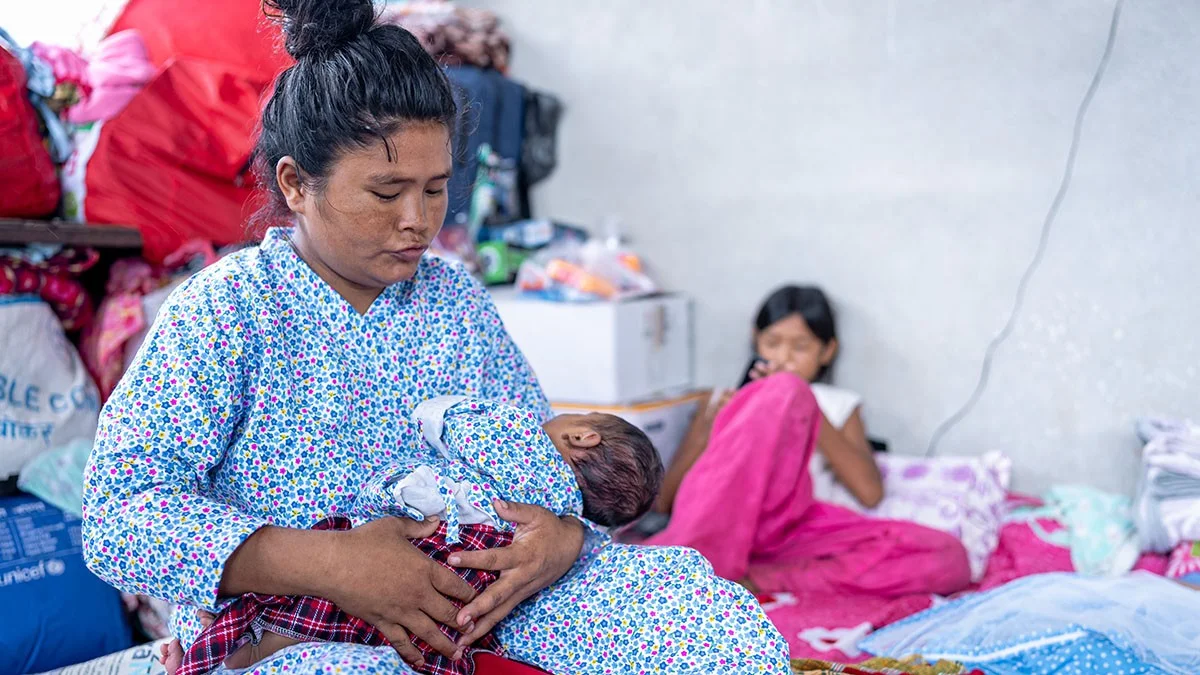
The story of Nanu Maya Majhi illustrates what it means to lose one’s home: Just 13 days after giving birth, she was forced to flee with her newborn son and three daughters after flash flooding hit Nepal. The family spent four days in an animal shed. Later, at a school that served as a shelter for displaced families, she received a kit from UNICEF containing warm baby clothes.
Thousands of families need our support through the winter so that their children can stay warm, learn and receive medical care.
How your donation helps
UNICEF provides children and their families with warm clothing, blankets and financial assistance. At the same time, UNICEF helps provide schools and health facilities with heat and electricity. Assistance is tailored to meet local needs.
- In Ukraine, UNICEF supports repairs to district heating systems and provides financial assistance to families toward the costs of heating, fuel and electricity. Schools and preschools receive support to ensure reliable supplies of energy and heat. During outages, healthcare facilities can continue to provide care for mothers and children through alternative power sources.
- In Gaza, UNICEF is providing children and families with winter clothing, thermal blankets, tarps and tents. Together with local partners, clogged sewer lines and drainage systems are being cleared to allow rainwater to drain away more quickly. Medical facilities and temporary learning spaces are also being outfitted for protection from the elements.
- In Nepal, UNICEF supports families by providing winter cash assistance, blankets and warm clothing. UNICEF also distributes Newborn Kits (NBKs) with warm clothing and helps provide heat to temporary learning spaces and health facilities to ensure that cold temperatures do not disrupt classes and medical care.