More than 100 tonnes of lifesaving humanitarian supplies have arrived in the Democratic Republic of the Congo to support efforts to contain the escalating Ebola outbreak and protect children and families.
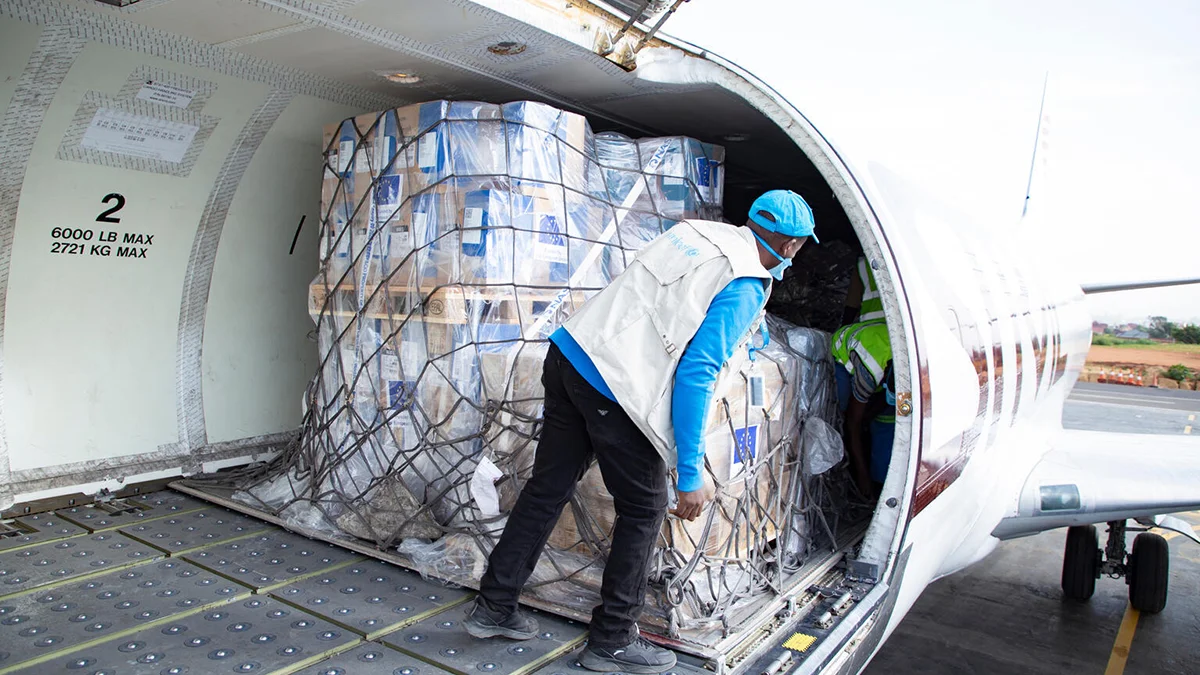
More than 100 tonnes of urgently needed humanitarian supplies have started arriving in the Democratic Republic of the Congo (DRC) as part of UNICEF’s emergency response to the escalating Ebola outbreak. The operation is supported by the European Union.
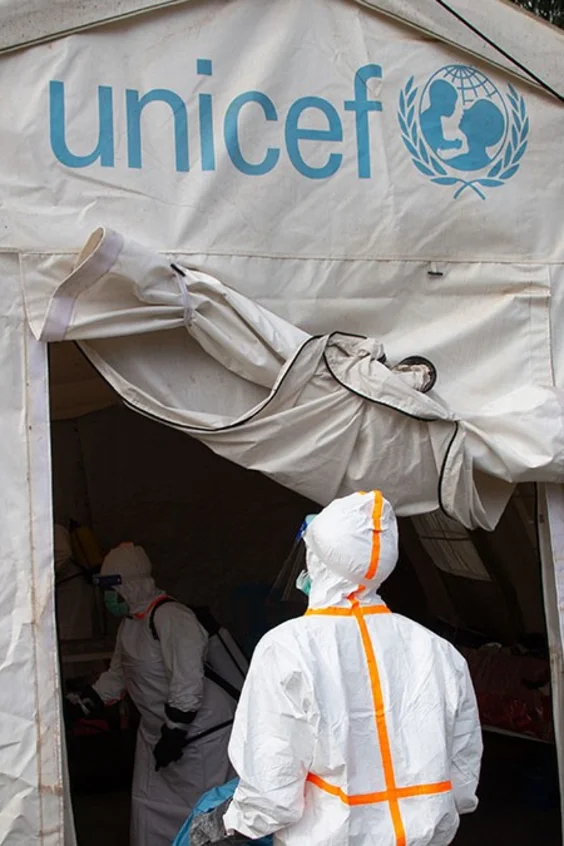
The shipment includes personal protective equipment for frontline health workers, medicines, hygiene materials and medical supplies. UNICEF airlifted the supplies from its global supply and logistics hub in Copenhagen through a specialised humanitarian air service supported by the European Commission’s Civil Protection and Humanitarian Aid Operations (ECHO). The supplies will help contain the spread of the virus in affected communities.
«We are in a race against time to contain this outbreak. The situation remains highly concerning and continues to evolve. These emergency supplies are critical to protect frontline workers and support affected communities, including children,» said John Agbor, UNICEF Representative currently in Bunia, DRC.
Your donation for children in need
The supplies will support nearly 100 000 people, including children and families living in communities already affected by displacement, conflict and limited access to basic services.
UNICEF is working with national authorities and humanitarian partners to strengthen infection prevention and control, supply and logistics, risk communication and community engagement, water, sanitation and hygiene services, as well as direct support for children and families affected by the outbreak.
«Risk communication and community engagement are central to controlling Ebola. Previous outbreaks have shown that trust and engagement within communities are critical to an effective response. This means working closely with local communities, community leaders, faith-based organisations, women’s associations, youth groups and frontline health workers to strengthen awareness, early detection and safe practices,» said Gilles Fagninou, UNICEF Regional Director for West and Central Africa.
As of 26 May 2026, the DRC had reported 121 confirmed Ebola cases and 17 deaths among confirmed cases. National authorities had also recorded 1 077 suspected cases.
The rapid spread of the outbreak across provinces and multiple health zones in north-eastern DRC highlights the urgent need for sustained and coordinated action to contain the virus and protect children, families and communities.
UNICEF has activated its highest level of emergency response, a Level 3 Corporate Emergency Activation Procedure, and has already allocated US$ 5,75 million from its core resources to address critical needs. Flexible and timely funding remains essential to sustain the response and ensure that children and families continue to receive lifesaving support.