Whether in Switzerland, across Europe or in many other parts of the world, heatwaves are becoming more frequent, more intense and longer-lasting. For more than a week, temperatures in parts of Switzerland have remained above 30 degrees Celsius, with many areas experiencing significantly higher temperatures. And there is no relief in sight. Just before the summer holidays, an important question arises: how well are children protected from extreme heat – at home, on playgrounds and at school?
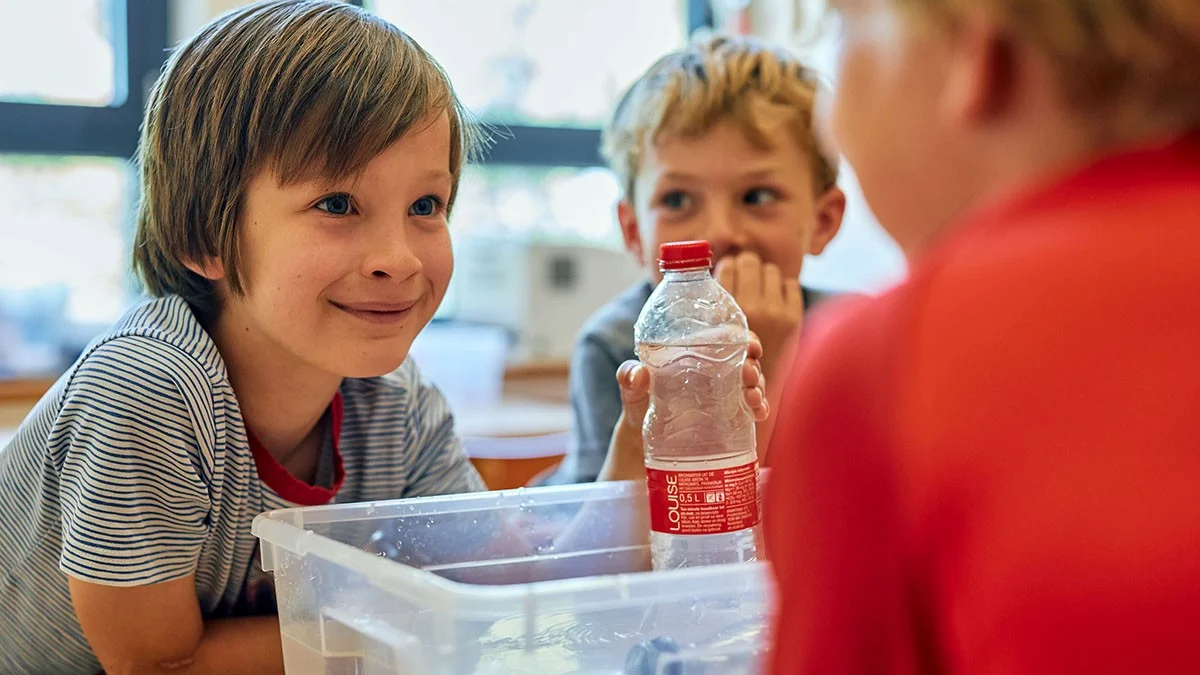
What many adults experience as an unpleasant side effect of summer can have serious consequences for children. Extreme heat affects their health, well-being and development. It can also impair their concentration and ability to learn. For many children, the current heatwave means more than sleepless nights. They spend their school days and free time in overheated classrooms and on scorching outdoor surfaces, often with little opportunity to escape the heat.
The current heatwave is part of a global trend of increasingly frequent and severe climate extremes. UNICEF’s new Children’s Climate Risk Report 2026 shows that the impacts of climate change are hitting children around the world particularly hard. The consequences range from health risks to disruptions to education and development.
The climate crisis is therefore also a children's rights crisis.
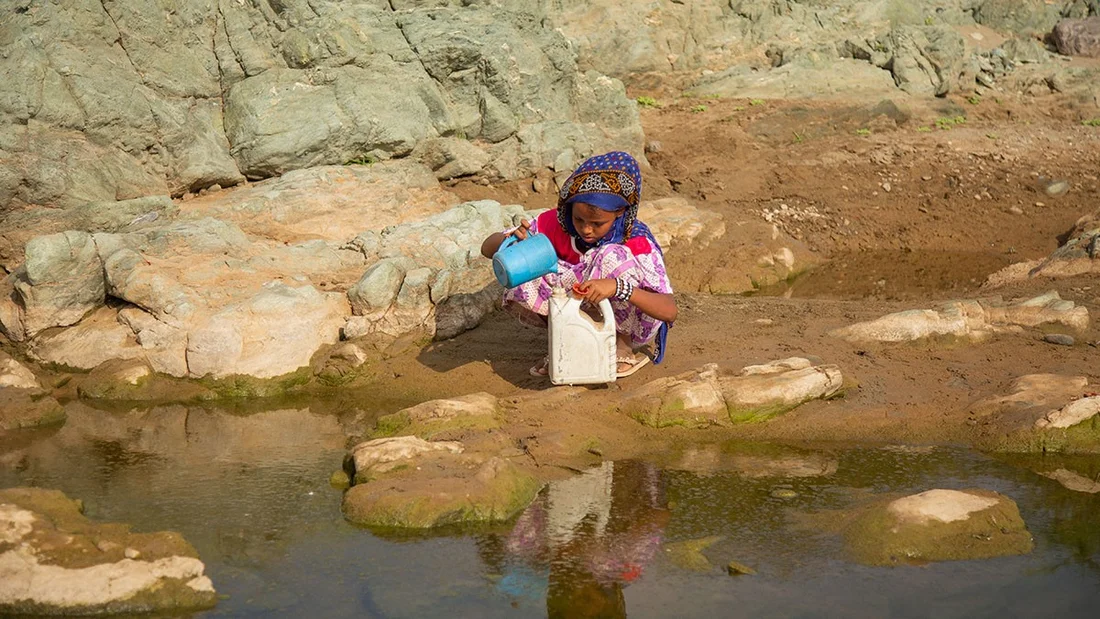
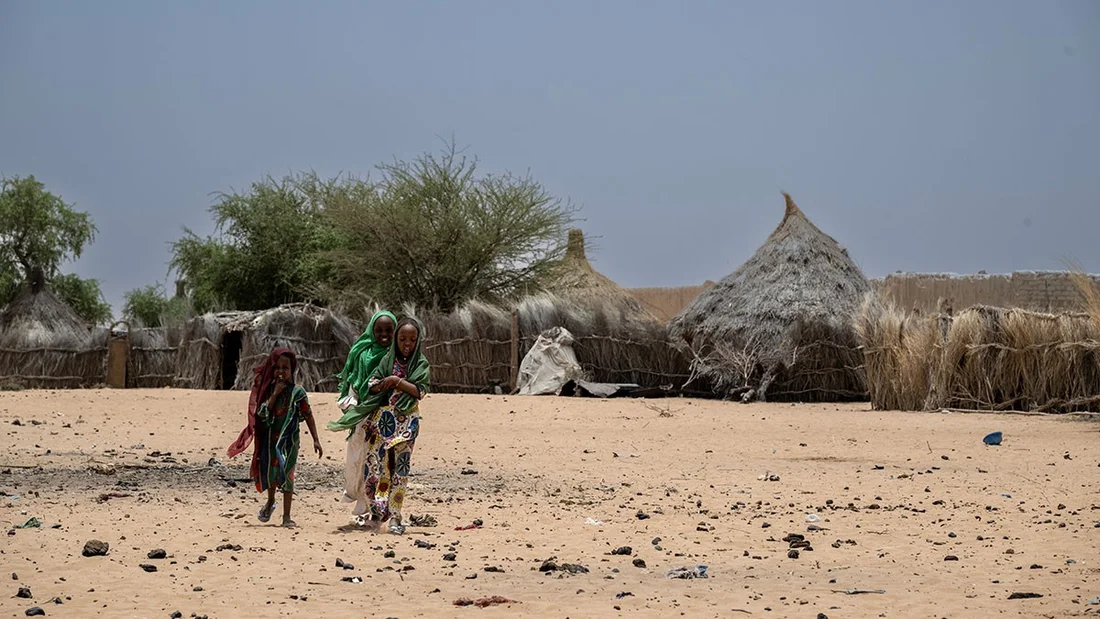
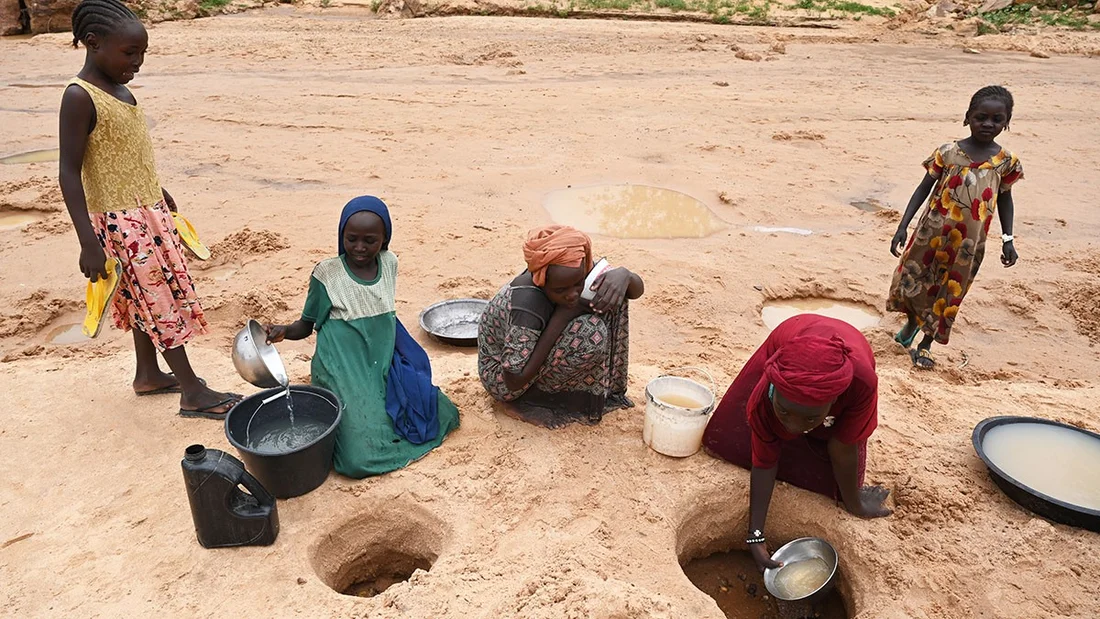
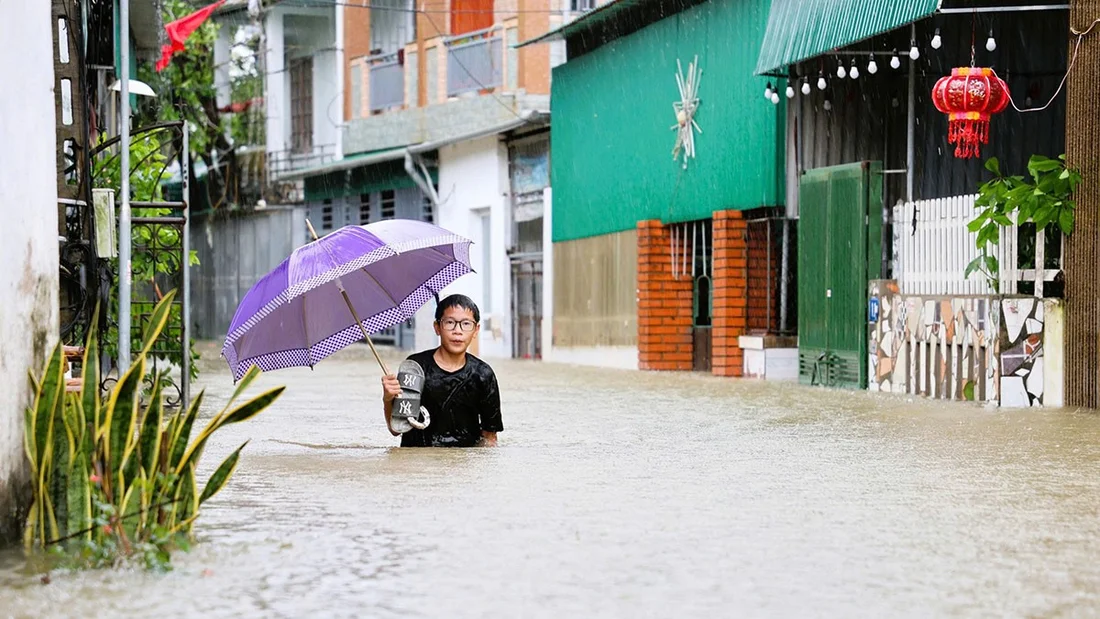
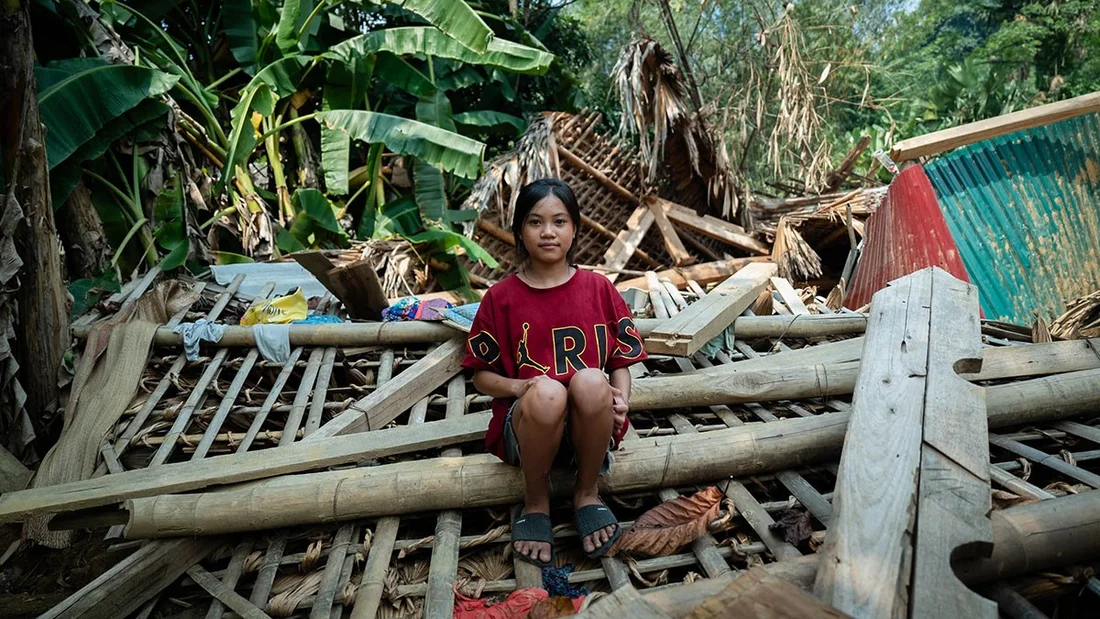
Almost every child is affected
The impacts of climate change are already a reality for children across the globe. Most alarmingly, around 1.5 billion children are exposed to heatwaves.
Many children face more than a single climate hazard. Worldwide, 1.1 billion children live in areas exposed to at least three overlapping climate hazards. More than four million children are exposed to six climate hazards simultaneously. These figures are alarming.
The consequences go far beyond immediate health risks. Climate-related extreme weather events can disrupt access to education, healthcare, safe water and protection. Children are particularly affected because they are still in a critical stage of development and rely more heavily on functioning health, education and protection systems.
While climate change is affecting children around the world, not all children face the same risks. Age, place of residence, socio-economic circumstances and access to essential services all influence how well children are protected and how severely they are affected. Children are not experiencing the climate crisis at some point in the future – they are experiencing it now.
But what do more frequent heatwaves mean for children in their everyday lives – at home, on the playground and at school?
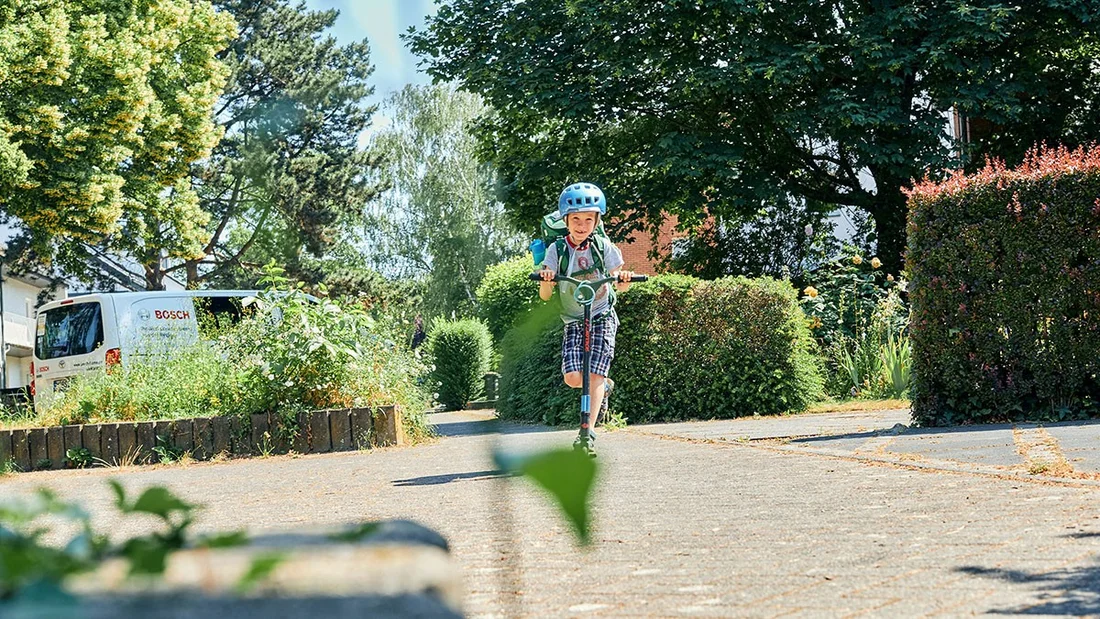
When heat makes learning harder
Children spend a large part of their day at school. That is why it is essential that schools provide a safe and healthy learning environment. Yet increasingly frequent and intense heatwaves are making this more difficult.
High temperatures can reduce attention, concentration and learning capacity. UNICEF’s latest report puts it simply: Heatwaves disrupt learning. For children, this means it becomes harder to follow lessons, stay focused and absorb new information.
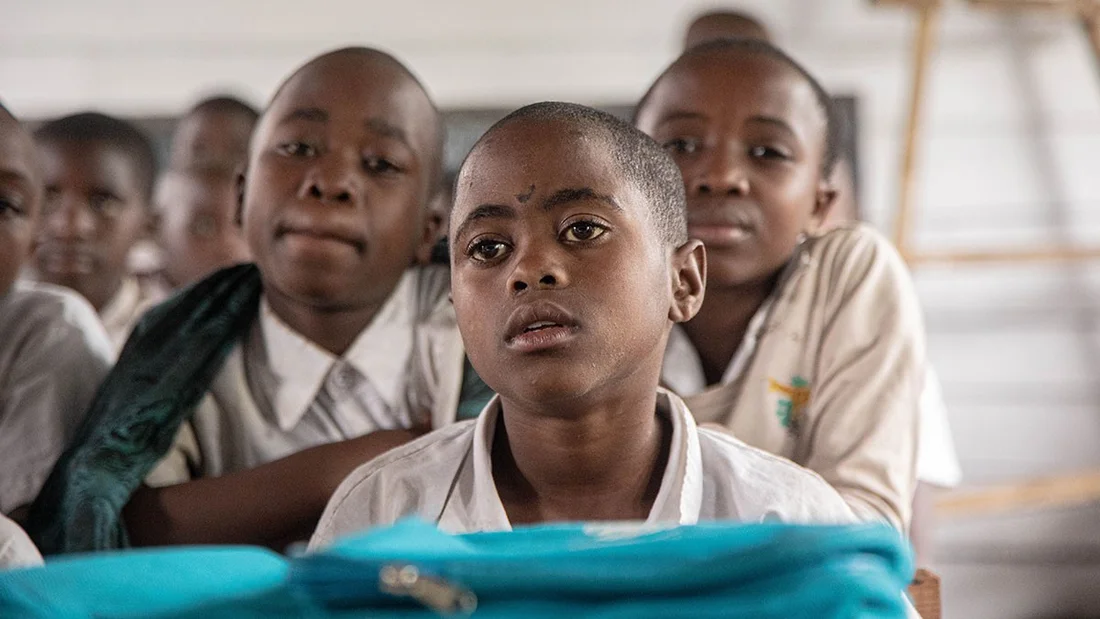
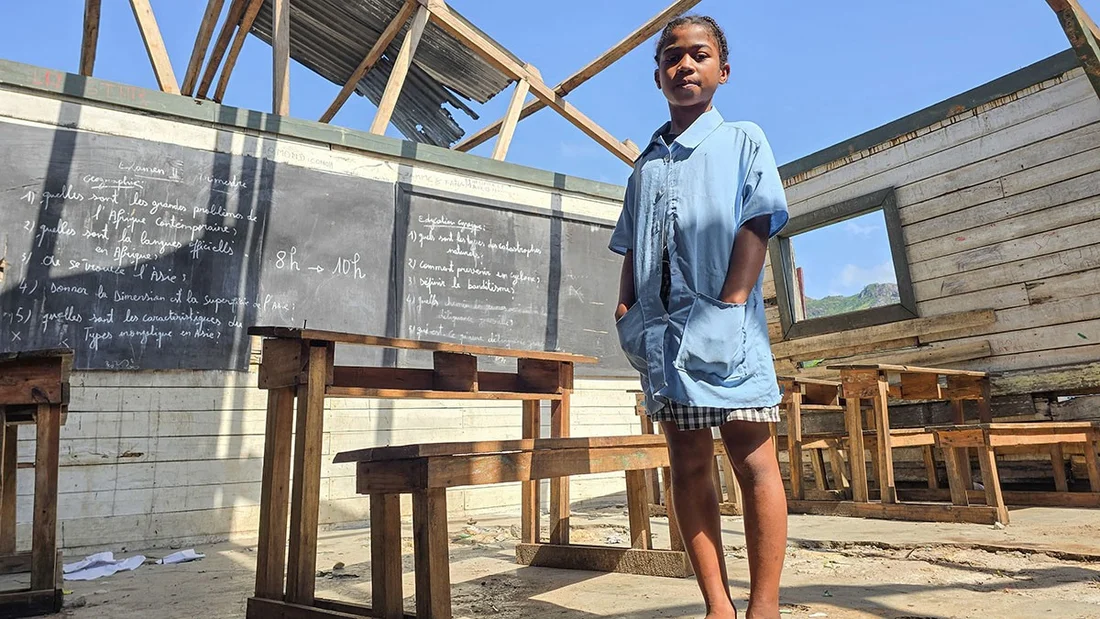
The impacts of climate-related extreme weather are already evident today. In 2024 alone, the education of at least 242 million students in 85 countries and territories was disrupted by climate-related extreme weather events: storms destroy schools, floods interrupt education and heatwaves disrupt learning.
At the same time, rising temperatures highlight that many schools were not designed for the climate conditions we now face. Overheated classrooms, insufficient shade and too few green spaces can place an additional burden on children during the school day. In Switzerland, too, the question of how schools, playgrounds and public spaces can adapt to more frequent heatwaves is becoming increasingly urgent. Every child should have access to safe and healthy places to learn and grow, regardless of where they live or their social circumstances.
What children need now
Climate change is already a reality and its impacts are being felt around the world. That is why
children's rights and needs must be systematically integrated into climate adaptation efforts.
UNICEF calls for children to be placed at the centre of climate policies and adaptation measures. This includes investing in climate-resilient schools, health services and social protection systems that can protect children from increasingly frequent and intense extreme weather events.
Particular attention must be given to children who are already at greater risk, because the impacts of climate change do not affect all children equally.
Children and young people must also have a meaningful voice in decisions that shape their future. They are already living through the impacts of climate change and will live with its consequences the longest. When given the opportunity, they consistently call for more green spaces, more nature and more shade in public areas.
Children have contributed the least to the climate crisis. Yet they are among those who suffer its consequences the most. Climate change is therefore not only an environmental issue – it is also a children's rights issue.
Kayeng’s story gives cause for thought. Not only because a child was severely injured by war debris, but also because dud bombs are still limiting the potential of an entire country.