Displacement, damaged services and aftershocks affect the most vulnerable as communities recover from deadly disaster
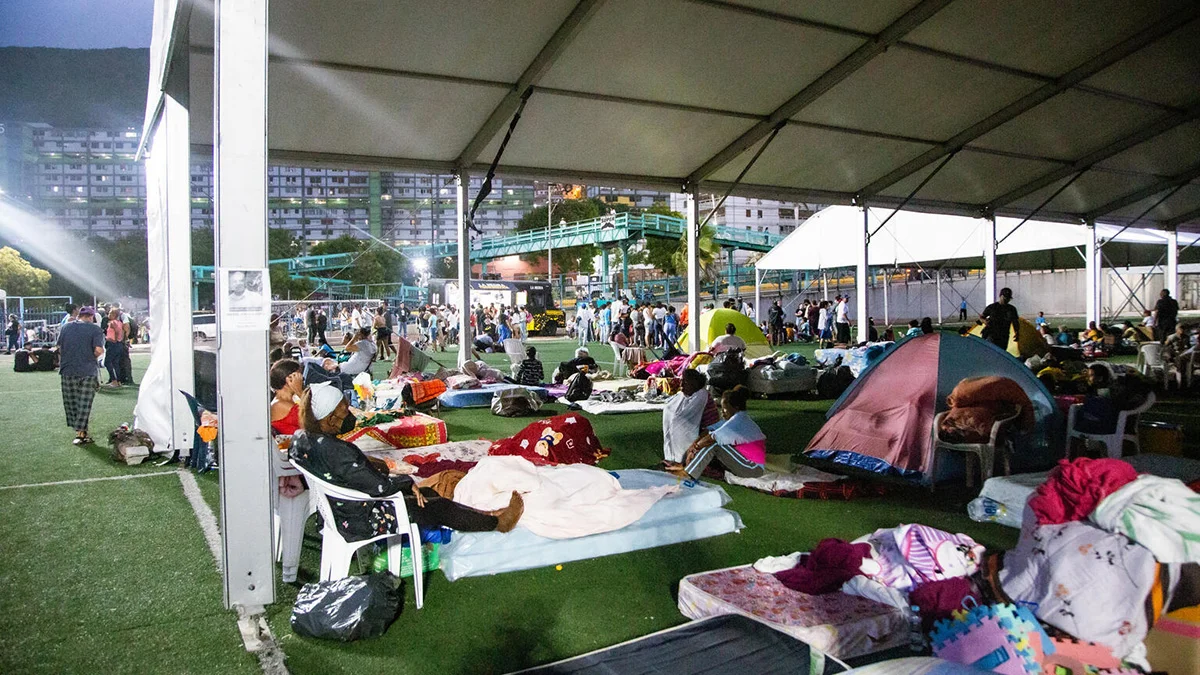
One month after two powerful earthquakes struck Venezuela’s north-central coast, children and families continue to face the lasting impacts of displacement, damaged infrastructure and disruption to essential services.
Nearly 23 100 people are currently in temporary camps across La Guaira, the Capital District, Miranda and Aragua. UNICEF is working to reach approximately 470 000 people, including 169 000 children, with life-saving assistance across health, nutrition, water and sanitation, child protection, education and social protection.
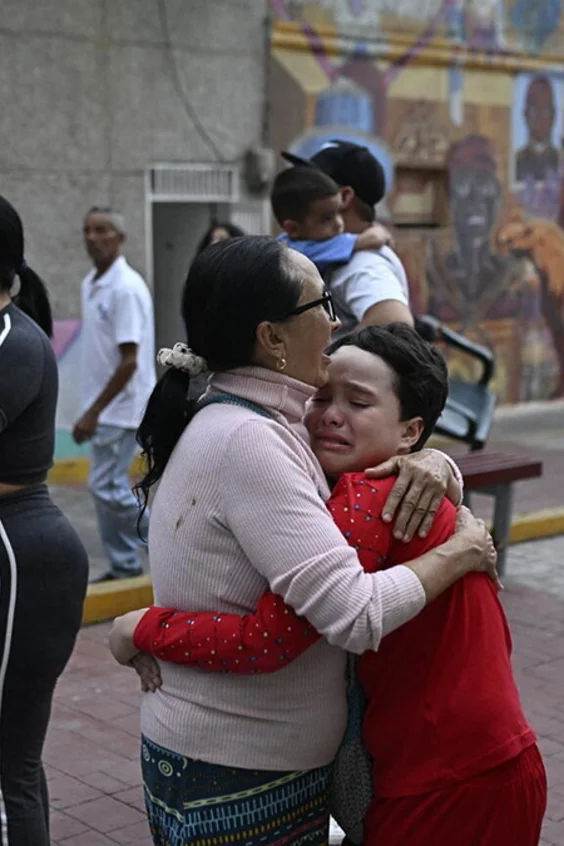
«One month after the earthquakes, children and families are still dealing with the consequences of this devastating disaster. Beyond the visible damage, the fear, uncertainty and disruption caused by displacement can have lasting impacts on children’s well-being,» said UNICEF Representative in Venezuela, Manuel Rodriguez Pumarol. «Continued support is essential to ensure children have access to safe water, health care, protection and the services they need to recover.»
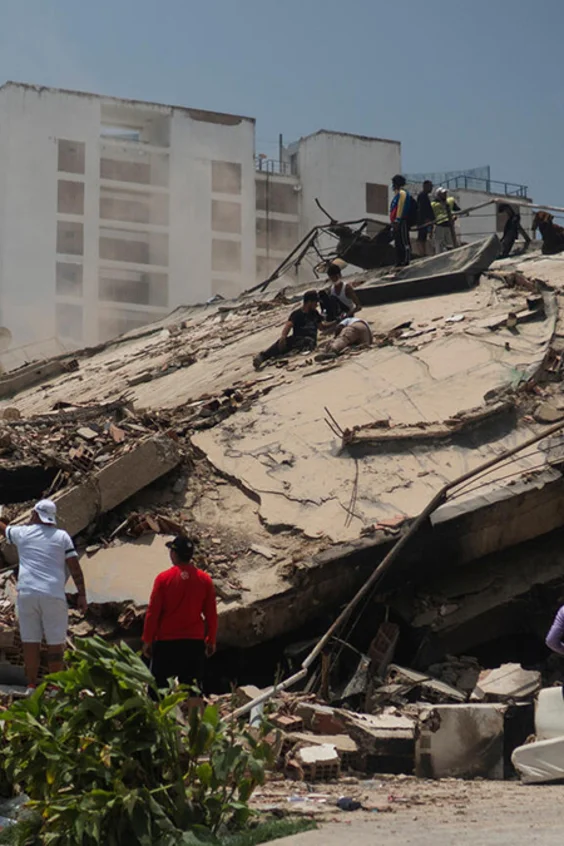
The earthquakes, measuring 7,2 and 7,5 in magnitude, killed more than 5 390 people, injured over 16 700 and triggered more than 1 400 aftershocks.
Damage assessments continue to reveal the scale of the impact, with at least 856 buildings affected, including 190 that collapsed entirely. Damage to health facilities and hundreds of schools is disrupting essential services for thousands of children, while continued aftershocks are sustaining risks for families living in temporary shelters.
Children affected by emergencies face heightened risks of psychological distress, violence, neglect, exploitation and family separation which compounds risk to their safety and wellbeing. Overcrowded conditions, disruption to routine and prolonged uncertainty can further increase these risks, particularly for the most vulnerable children.
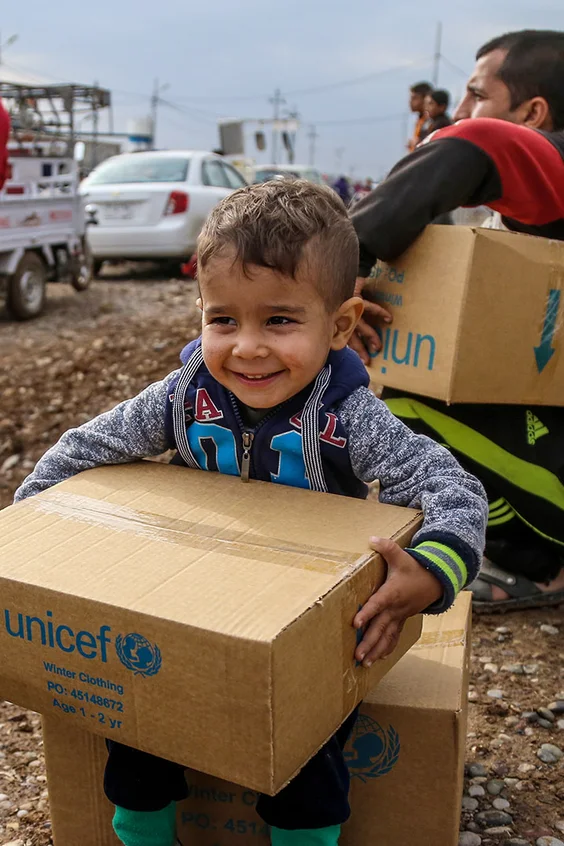
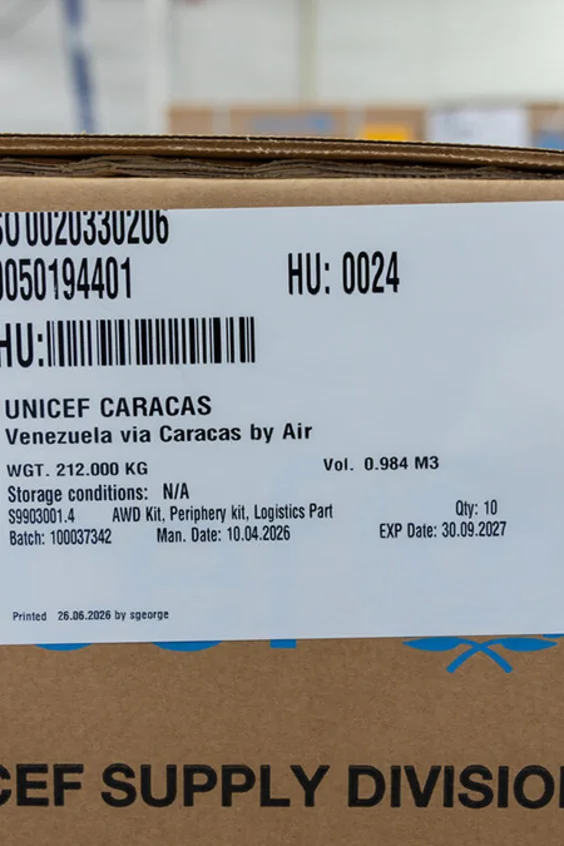
UNICEF is working with the Government, the United Nations system and humanitarian partners to deliver life-saving and protective services across health, nutrition, water, sanitation and hygiene, and child protection. To date, UNICEF has distributed more than 82 metric tons of emergency supplies, including health kits, water purification and storage equipment, and early childhood development and recreational materials.
As recovery efforts enter a new phase, UNICEF is calling on donors and partners to sustain support for children and families affected by the earthquakes, but an estimated US$65,7 million is required to respond to the humanitarian impact of the earthquakes in the months ahead.
In temporary camps and affected communities, UNICEF and partners have:
- Provided safe water to more than 8 900 people through the daily distribution of 80 000 litres of water across three transitional camps in La Guaira, and distributed essential hygiene supplies to support up to 29 000 people.
- In coordination with the Ministry of Health, UNICEF supported mobile health teams in providing primary healthcare services, including vaccinations, to more than 21 000 people, including children and pregnant women. UNICEF also supplied 198 health facilities with essential medicines, with the capacity to provide primary healthcare services to up to 49 000 people.
- Reached more than 5 000 people with nutrition services, including acute malnutrition screening, micronutrient supplementation, nutrition counselling, and breastfeeding support for pregnant and lactating women.
- Established child-friendly spaces in transitional camps in La Guaira, reaching more than 4 000 children, adolescents, and caregivers with psychosocial support, recreational activities, case management, and specialized child protection services.
- UNICEF is also supporting Post-Disaster Needs Assessments (PDNAs) across key sectors, including WASH, health, nutrition, and education, to help accelerate the restoration of essential social services for children and their families in affected areas.
«As families begin recovering, children must remain at the centre of the response,» said Pumarol. «The weeks ahead will be critical and sustained support can help prevent today's emergency from becoming a longer-term crisis for children.»