Contents of this page:
The situation
Millions of people are in need of humanitarian aid as a result of the war in Sudan
According to the UN, 33.7 million people in Sudan - including more than 15 million children - are in need of humanitarian aid. That is more than half of Sudan's population.
On April 15, 2023, heavy fighting broke out in the Sudanese capital, Khartoum, between the paramilitary Rapid Support Forces (RSF) and the Sudanese Armed Forces (SAF).
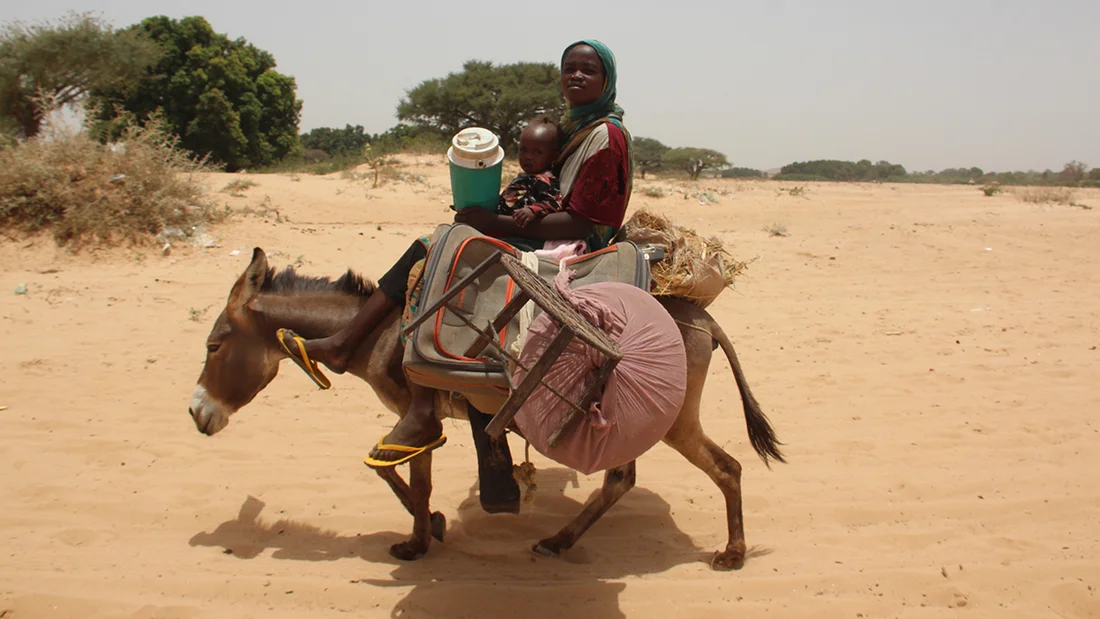
The conflict quickly spread to other parts of the country. Millions of people were forced to leave their homes and flee. Many were killed or injured.
The war in Sudan is the world's largest displacement crisis
Even before the current war began, millions of people in Sudan were dependent on humanitarian aid. Many families had been living for years as internally displaced persons in refugee camps or emergency shelters.
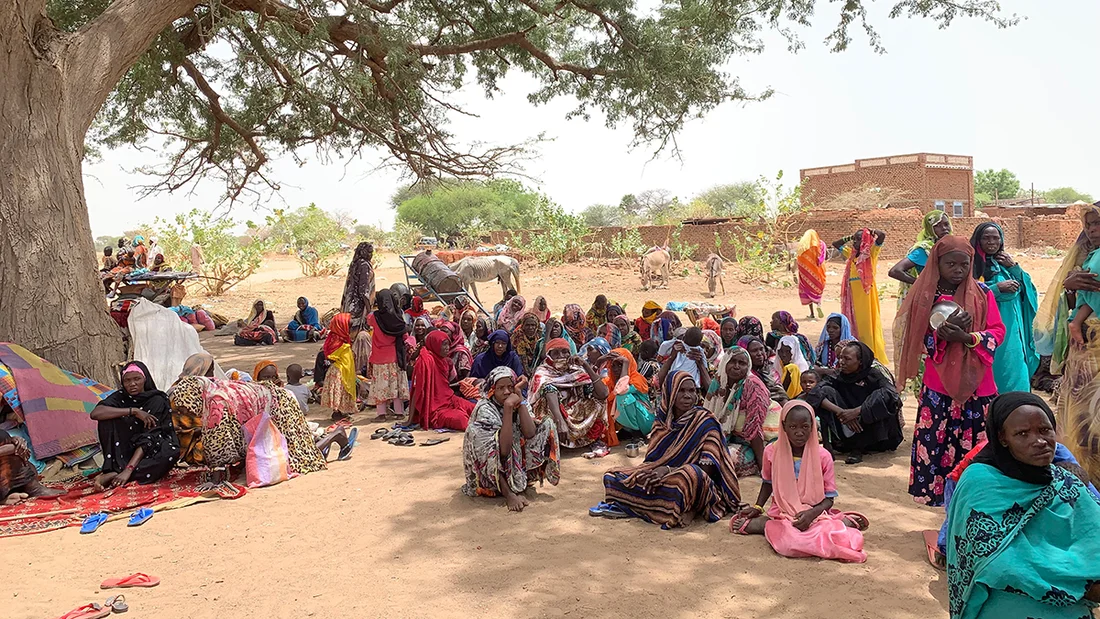
As a result of the current conflict, Sudan is now experiencing the world's largest displacement crisis. About 9.1 million people are displaced within the country - more than in any other country in the world.
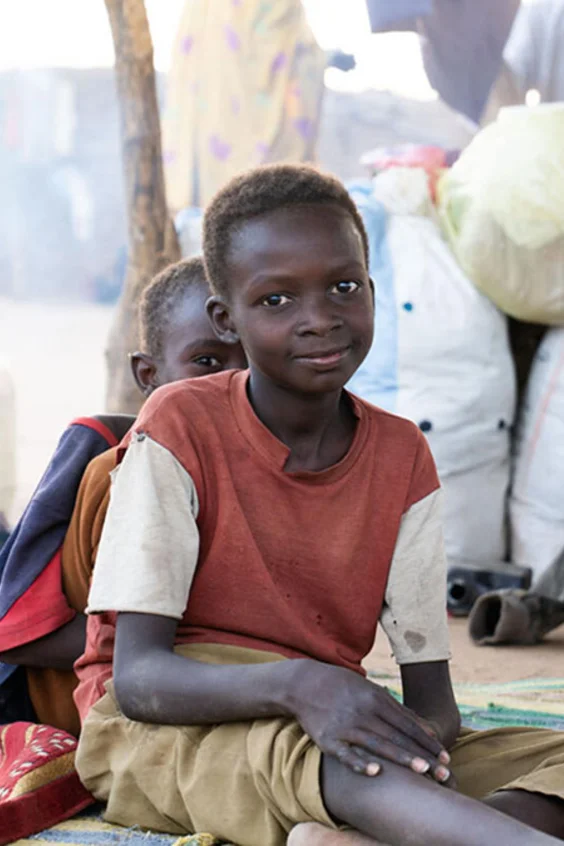
About three out of five displaced people are children. This illustrates very clearly just how deeply children are affected by violence, displacement and insecurity.
Children in Sudan are suffering from hunger and disease
Children in Sudan face multiple threats: armed violence, hunger, disease, and the loss of education and protection.
A famine has already been confirmed in parts of Darfur and Kordofan. Other regions are at immediate risk because conflicts and blocked access routes are hindering the delivery of humanitarian aid.
Nationwide, about 21 million people are suffering from acute food insecurity. In several areas, the figures exceed the thresholds for IPC Phase 5 (famine).
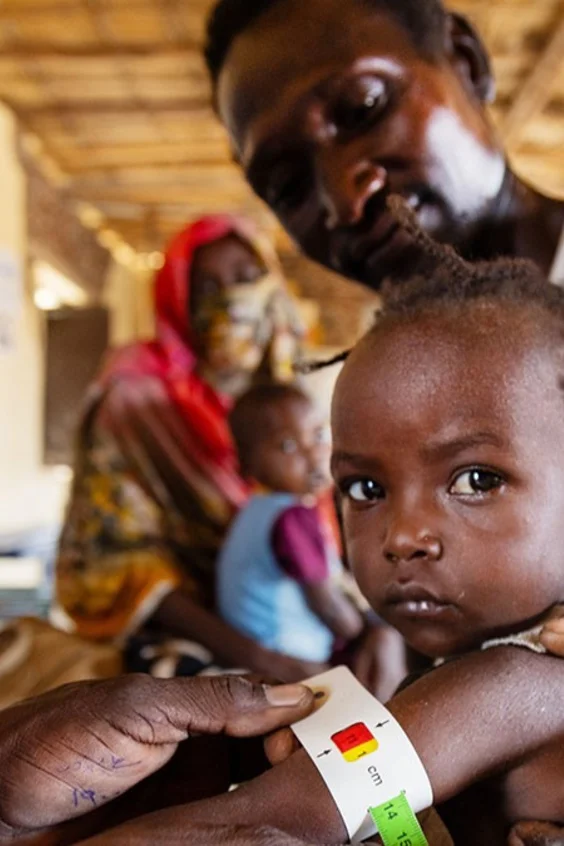
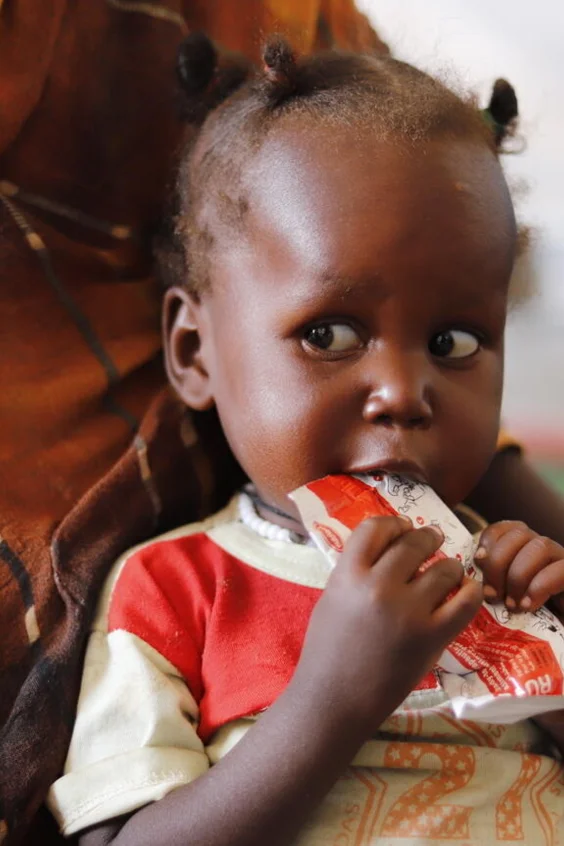
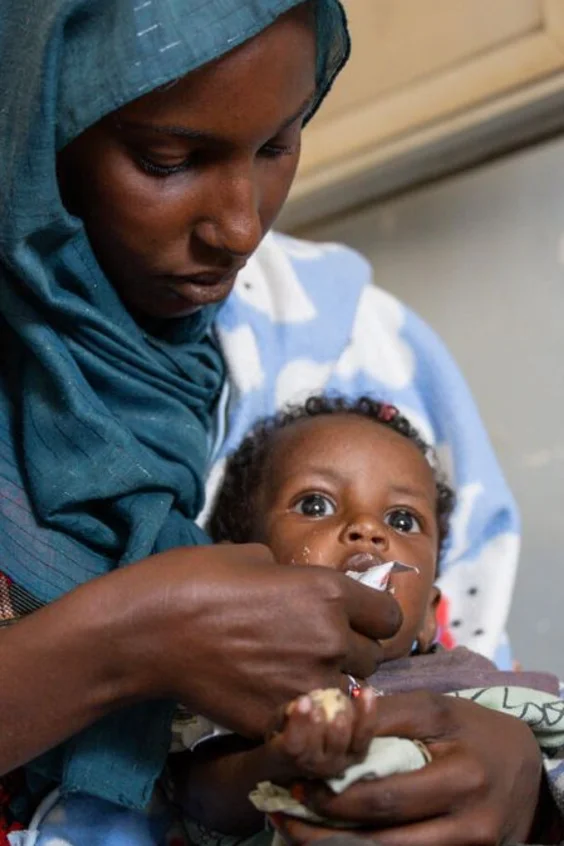
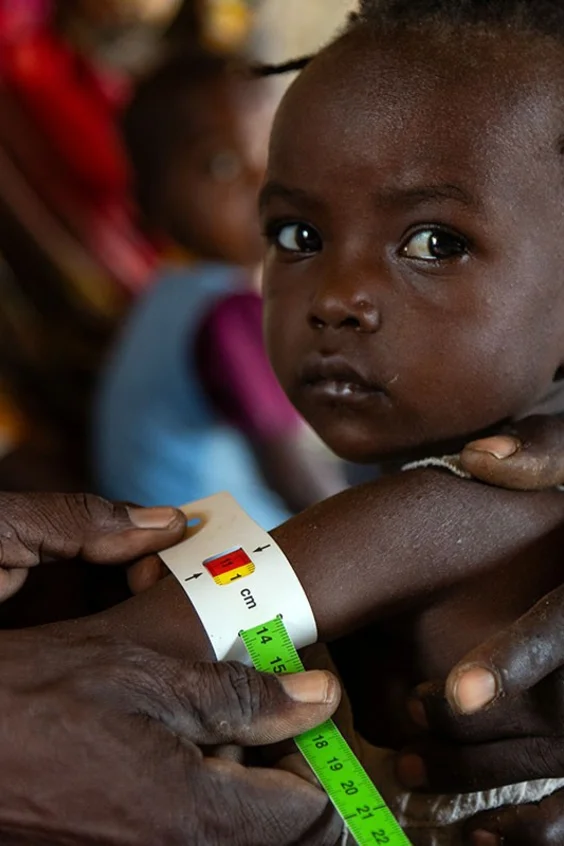
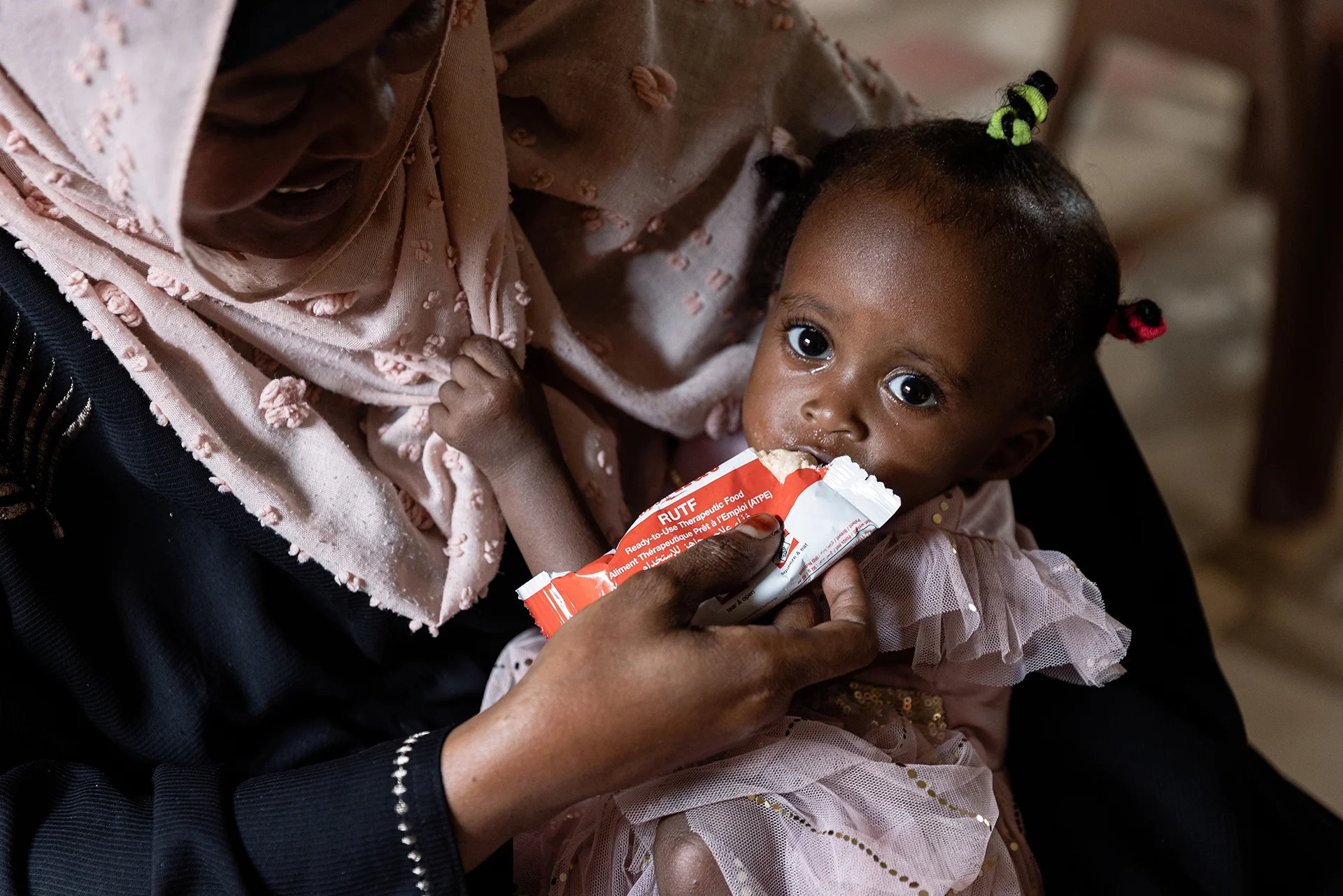
Children are particularly badly affected. Hundreds of thousands of children are at risk of severe acute malnutrition (SAM). It is estimated that in 2026 alone, approximately 825,000 children will suffer from SAM. Without treatment, this condition can be life-threatening.
This makes Sudan one of the countries with the highest rates of child malnutrition worldwide. In several regions, the figures are significantly above the WHO emergency threshold of 15 percent. In Um Baru, North Darfur, the rate of acute malnutrition was found to be as high as 57 percent, which indicates hunger-like conditions.
At the same time, many of the affected regions are almost completely cut off from aid. Families lack food, clean drinking water and medical care. This puts children at extreme risk, especially in hard-to-reach areas.
The war in Sudan has psychosocial consequences
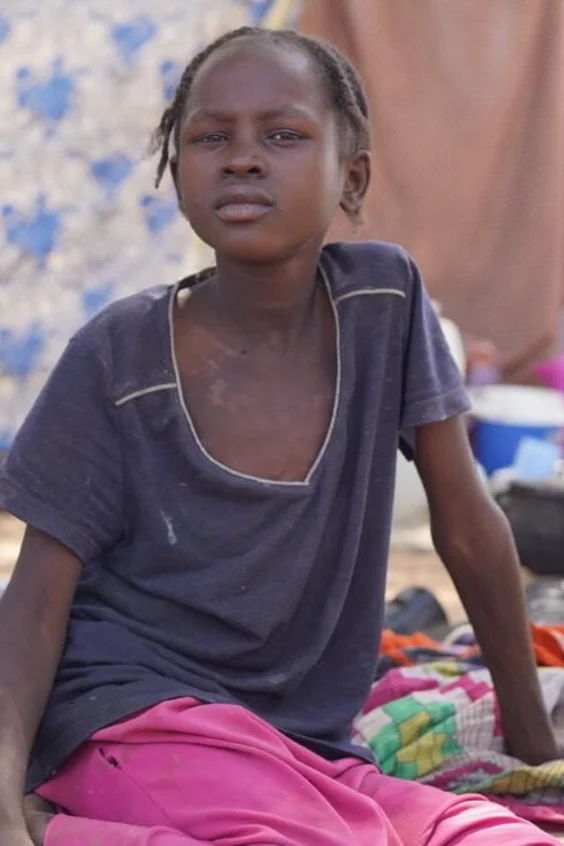
War, displacement and violence are also taking a psychological toll on children in Sudan. Many children are experiencing fear, trauma and the loss of loved ones. This is affecting their health, their development, and their future prospects.
“The lethal combination of malnutrition, mass displacement, and disease is growing by the day, and we have an extremely short window to prevent a massive loss of life.”
How your donation helps in Sudan
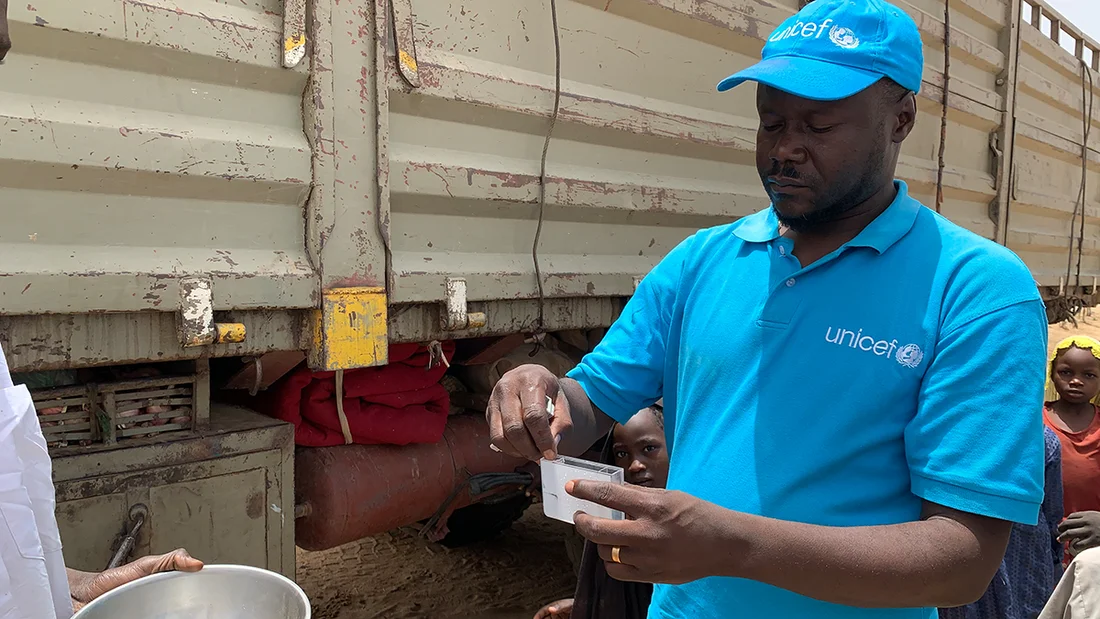
Thanks to your help, UNICEF is providing vital humanitarian aid to children and families in Sudan despite the difficult security situation. Together with local partners, UNICEF reaches even inaccessible regions.
How we were able to help in Sudan in 2025
- Health: More than 4.5 million children and women gained access to medical care.
- Malnutrition: More than 612,000 children suffering from severe acute malnutrition were treated.
- Drinking water: More than 15 million people gained access to clean water.
- Vaccinations: UNICEF delivered approximately 50 million doses of vaccine.
- Education and protection: Education and psychosocial support were provided to 3.5 million children.
- Emergency response: Mobile teams helped 6.4 million people in hard-to-reach conflict zones.