Decades after the Indochina war, poverty, restricted access to education and unexploded bombs are still part and parcel of everyday life for many children in Laos. Three stories demonstrate how targeted child protection measures create future prospects.
Laos is outshined by its neighbors. While Vietnam and Thailand have experienced a significant economic upturn in recent decades, progress was largely absent in Laos. Long-term development cooperation is even more important in a country that although not currently exposed to acute geopolitical crises, has been burdened by structural challenges for many decades.
History explains why: Between 1964 and 1973 during the Vietnam war – called the Indochina war in Laos – more than 270 million bombs, many of which were cluster bombs, were dropped on the country. Around 30 percent of these bombs failed to explode. The dud bombs are still scattered across large parts of the country, making agricultural land unusable and posing an ever-present threat to the people. The war may have been over for a long time, but its consequences persist.
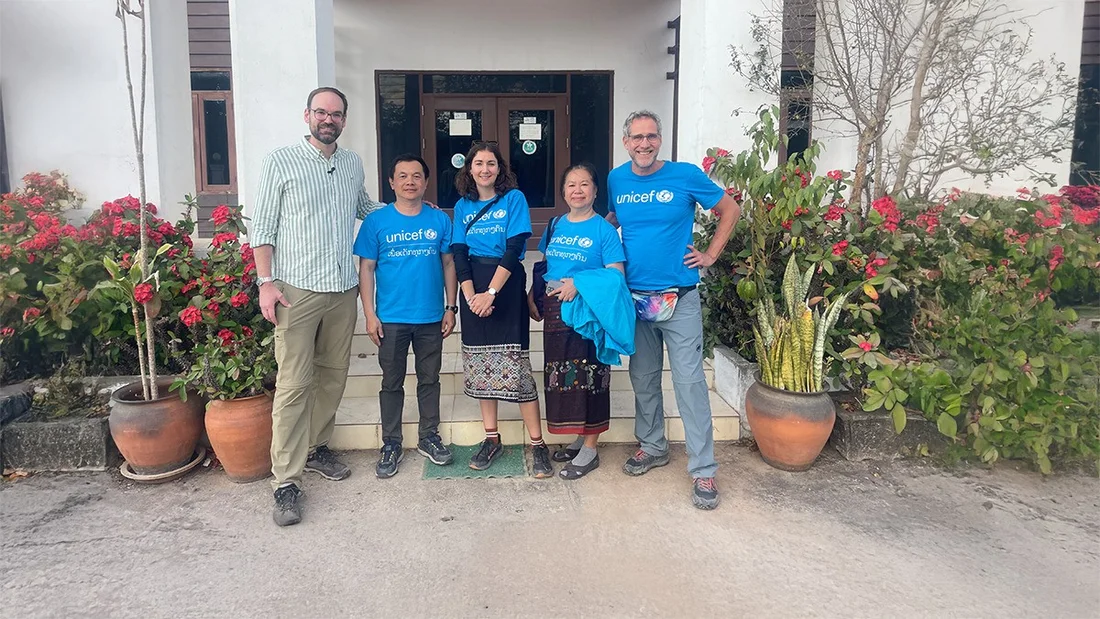
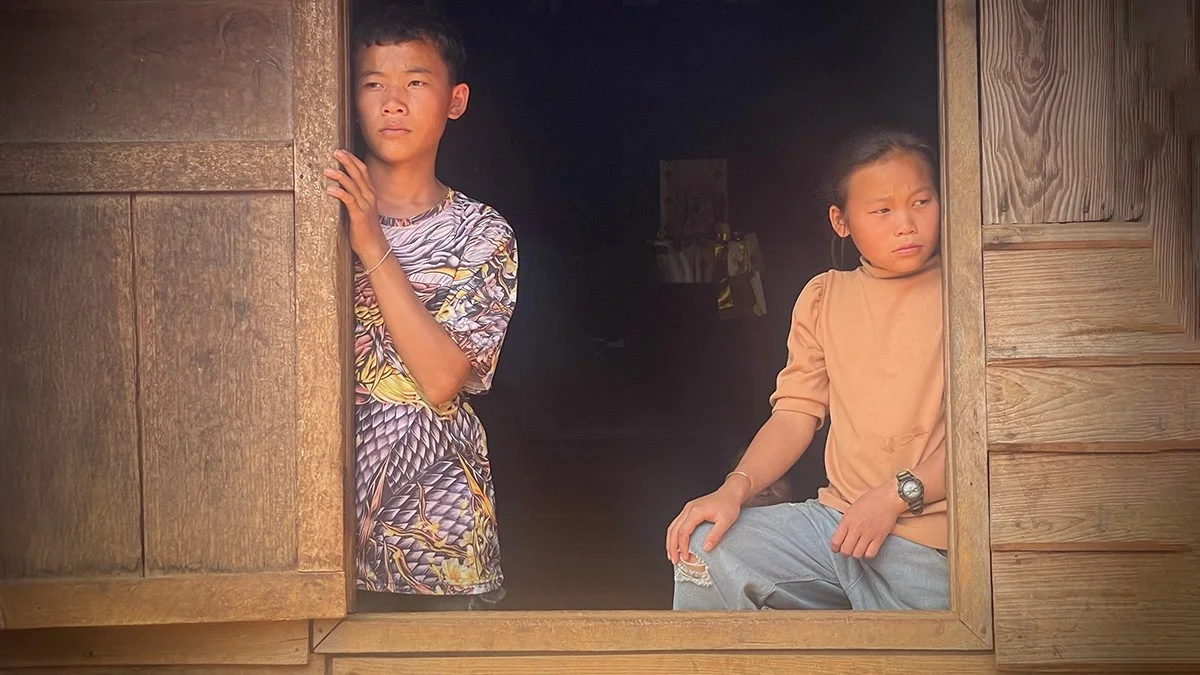
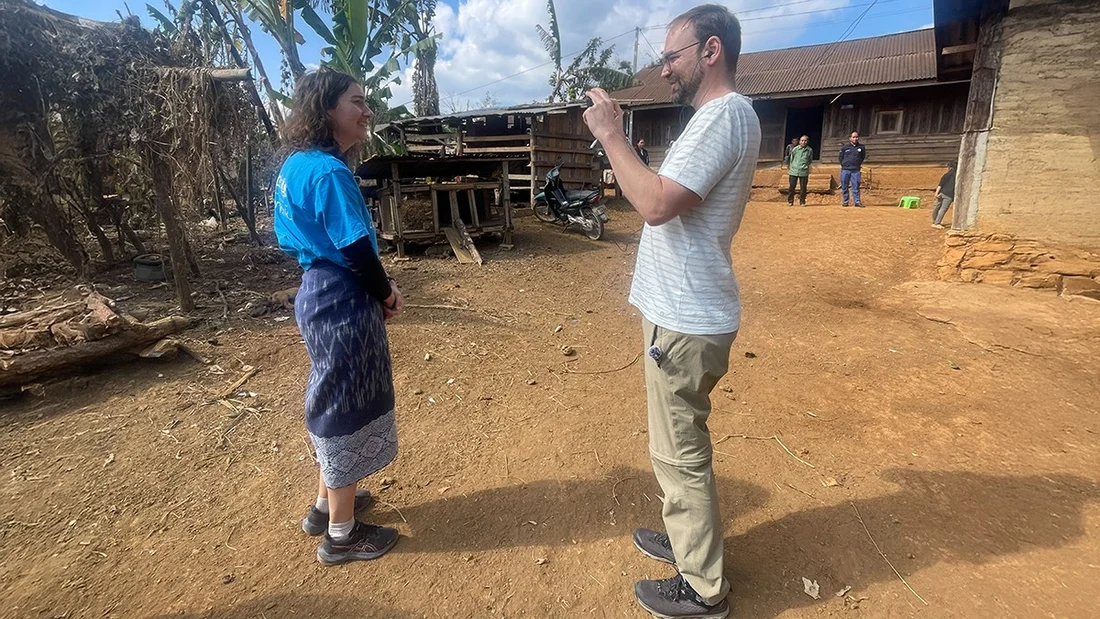
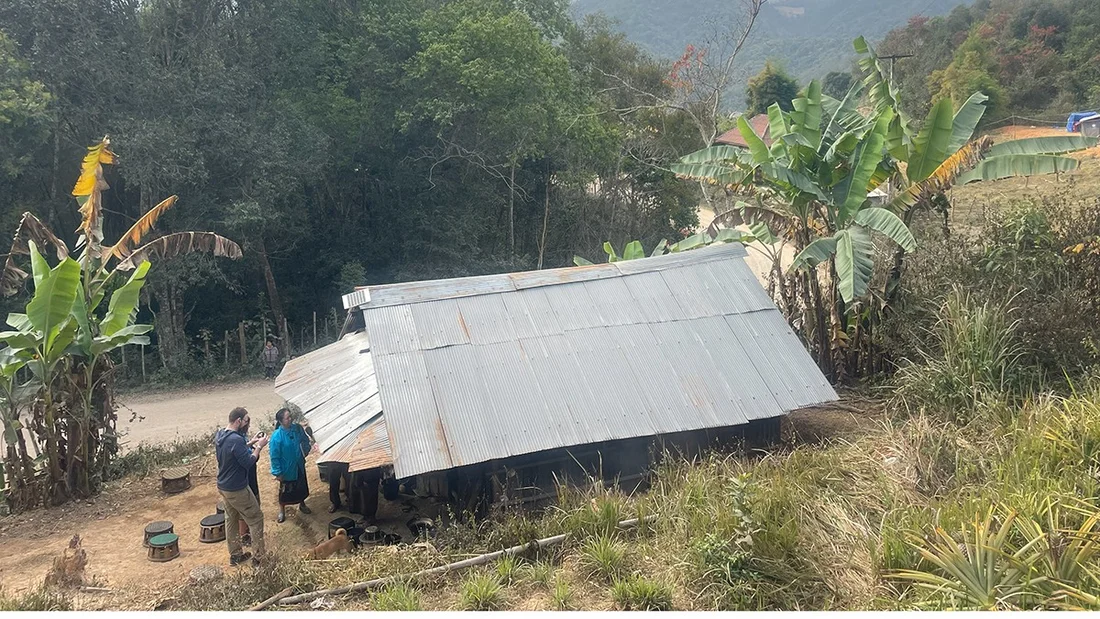
During a chmedia trip, I accompanied a reporter to Laos. The journey took us to the capital, Vientiane, and to Xieng Khouang in the northeast of the country, close to the border with Vietnam, forcibly confronting us with this reality. The pictures show remote villages, a school, simple houses and children whose lives are dominated by war, poverty and exclusion to this day. Three stories serve as examples for many.
Khamnoy – growing up with Grandma
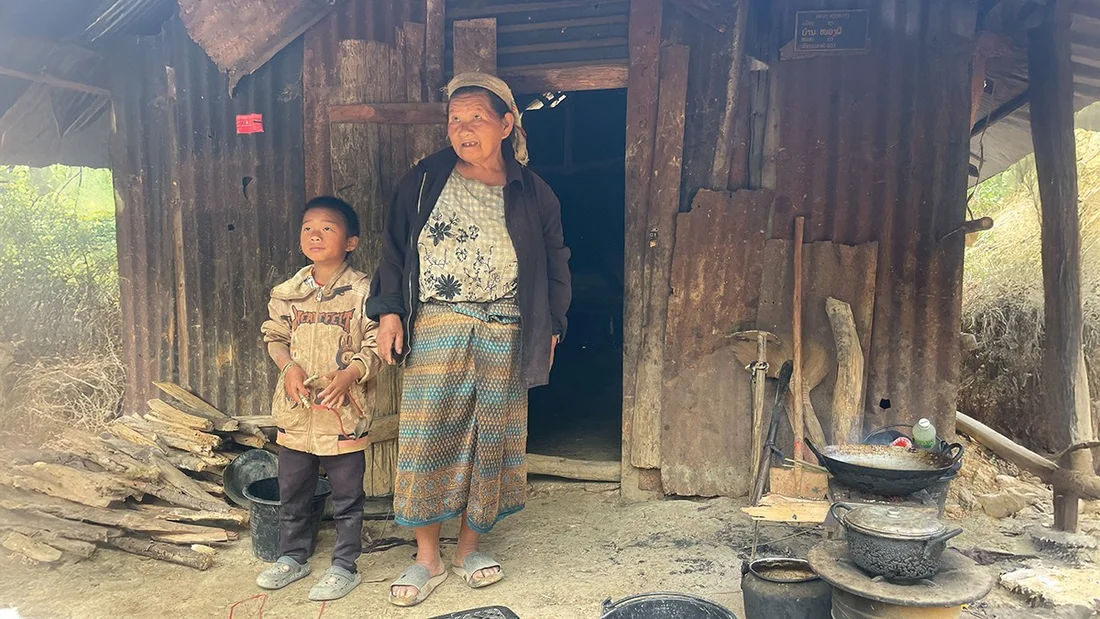
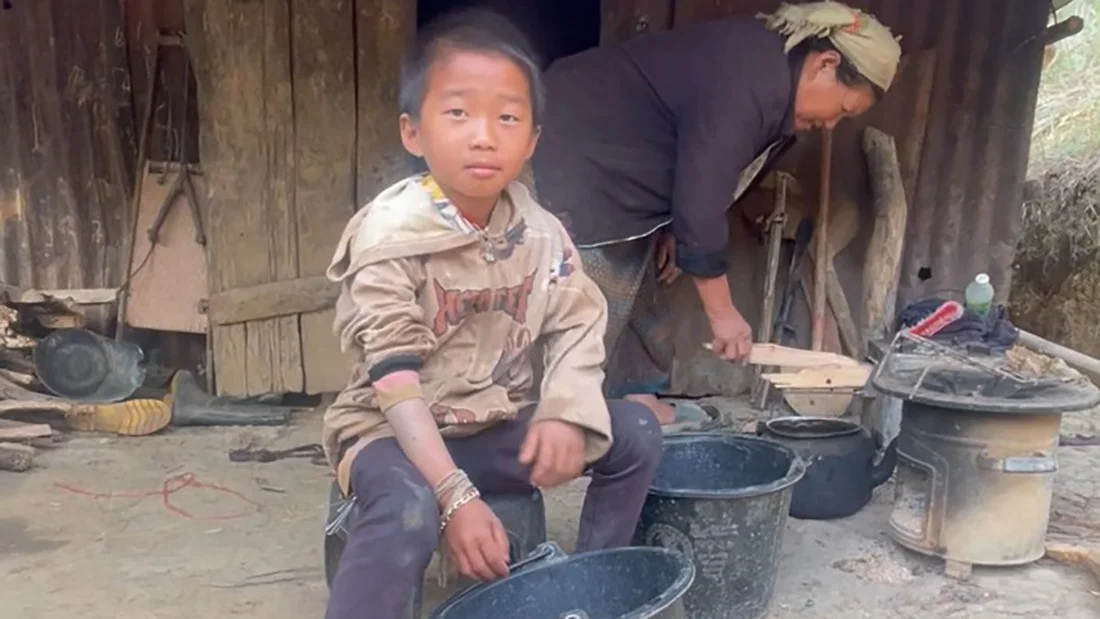
Khamnoy is nine years old and lives with his 63-year-old grandmother in the Khoun district, a rural area in Xieng Khouang province. His mother married at a very young age, suffered domestic abuse and finally deserted her family. His father was totally uninterested in his child. For Khamnoy, this caused early trauma in his childhood.
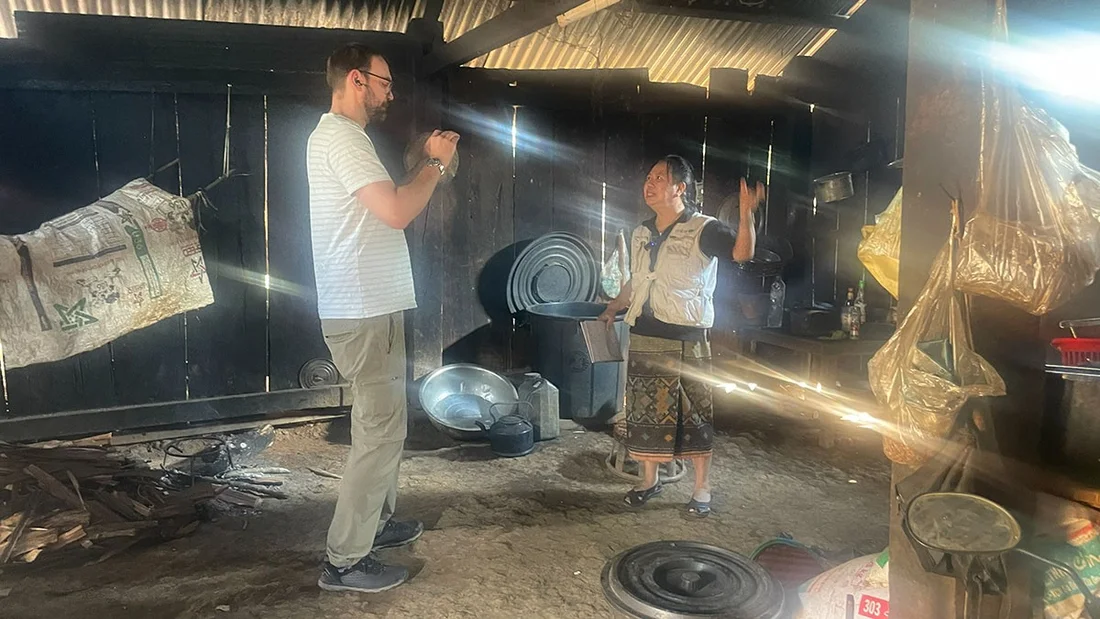
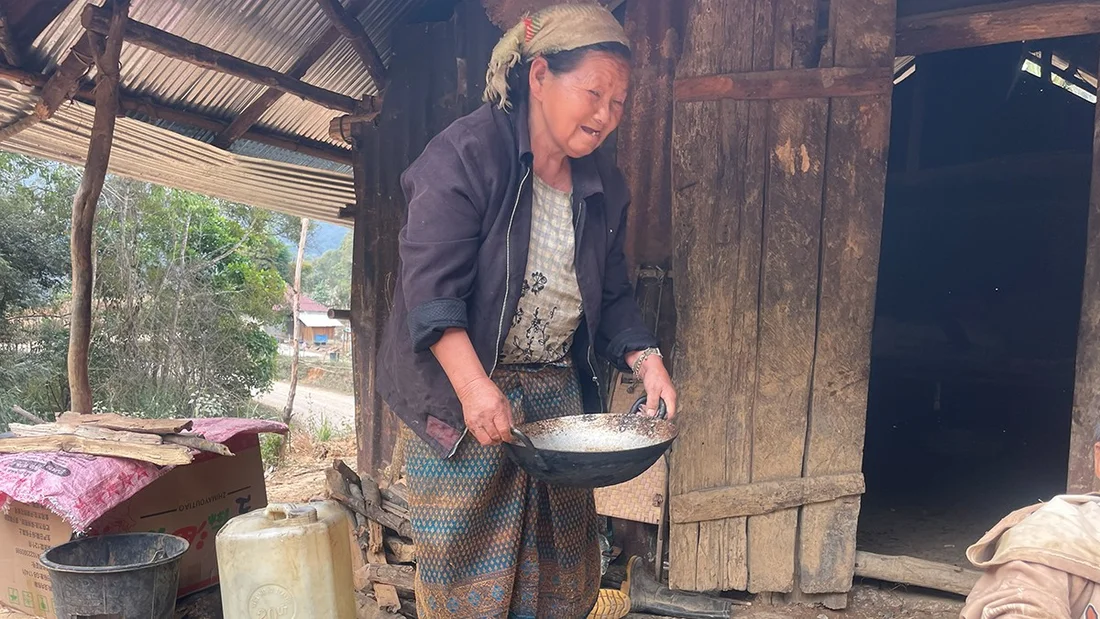
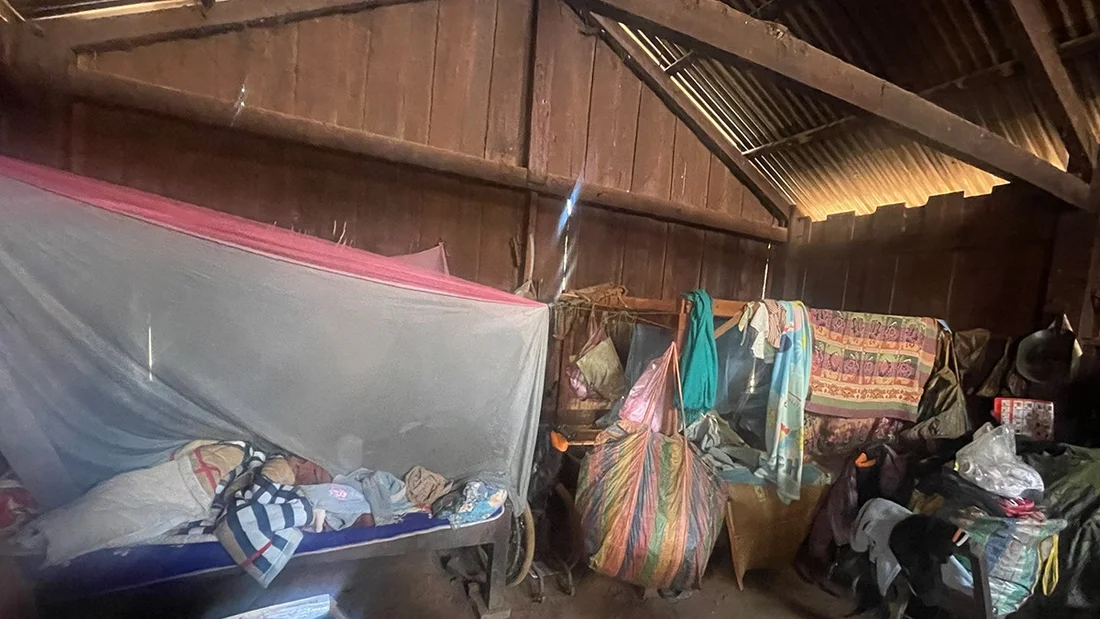
Today he is growing up in very humble circumstances. His grandmother has little to no income. Plastic is used to light a fire, and a small garden with pineapples and some banana trees helps to feed the family.
The fact that Khamnoy can go to school is not a given – he was identified and supported by UNICEF and its partners via the local child protection network. The family’s qualification as “poor” gave them access to free healthcare and support for the child’s school attendance. In person, Khamnoy came across as a bright child who proudly showed us his schoolbag. His story demonstrates the close links between early marriage, violence and child poverty – and the importance of intervention at a very early stage.
I was impressed by the energy and humor of Khamnoy’s grandma. She exhibits great resilience in spite of her difficult circumstances. Inevitably, I also had to wonder what would happen to the boy if she should at any time in the future be unable to look after him.
Kayeng – the invisible consequences of a past war
Kayeng lives in the town of Thong in the Khoun district in Xieng Khouang province. There, he lost his sight at the age of two when a dud bomb exploded. One cold morning he and his older cousin made a fire behind the house. The heat triggered the explosion. His cousin only suffered minor injuries, but Kayeng was gravely injured. The war had been over for decades when the dud exploded.
Today, Kayeng is attending a special school for disabled children in Vientiane. There are no schools in his home province that can cater to his needs. The local child protection network, which is funded and supported by UNICEF and state partner organizations, found out about him and forwarded his case to the agencies in charge. Being able to attend school gives him access to education, structure, social interaction, and in particular opportunities.
Kayeng told me about his dream of writing software code some day. His father hopes that his son will be able to work as a masseur. Kayeng’s future lies somewhere between these two dreams. What’s important is that the 15-year-old has real opportunities.
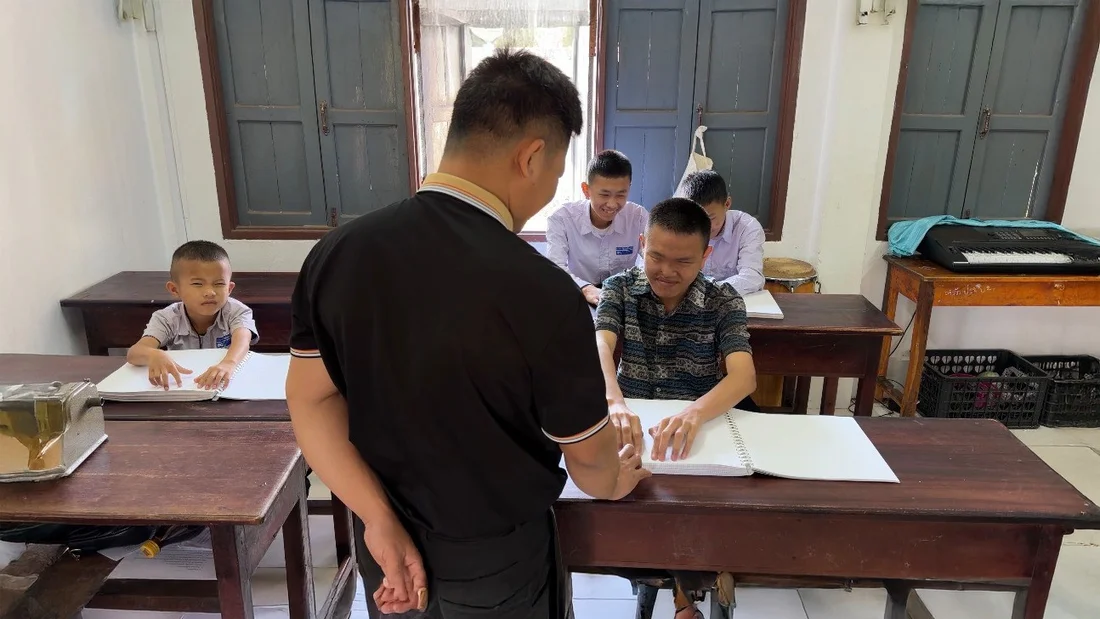
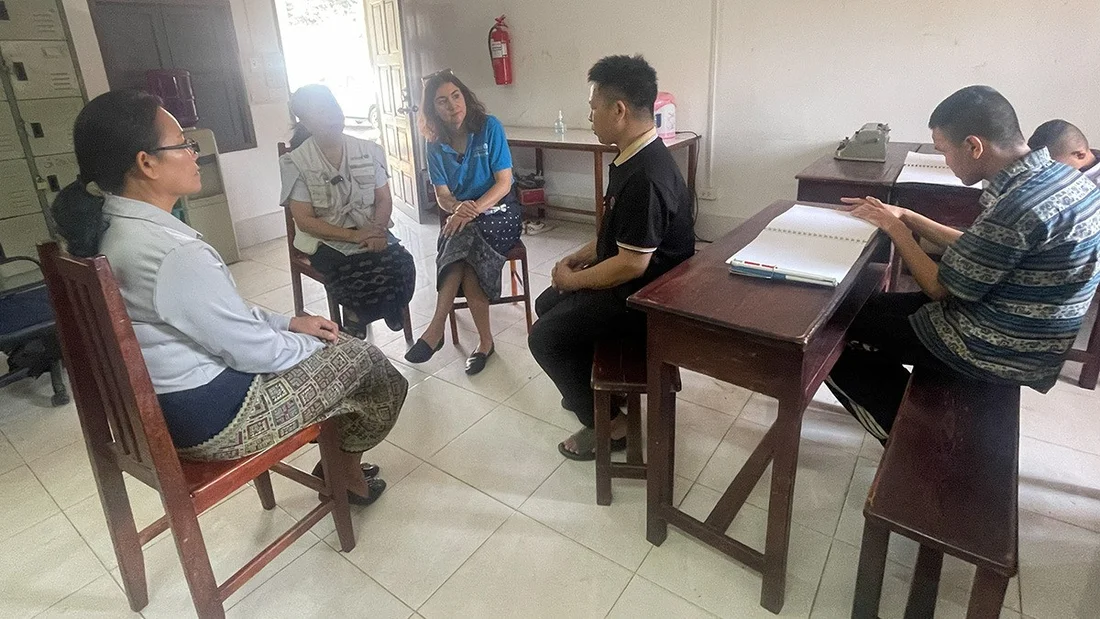
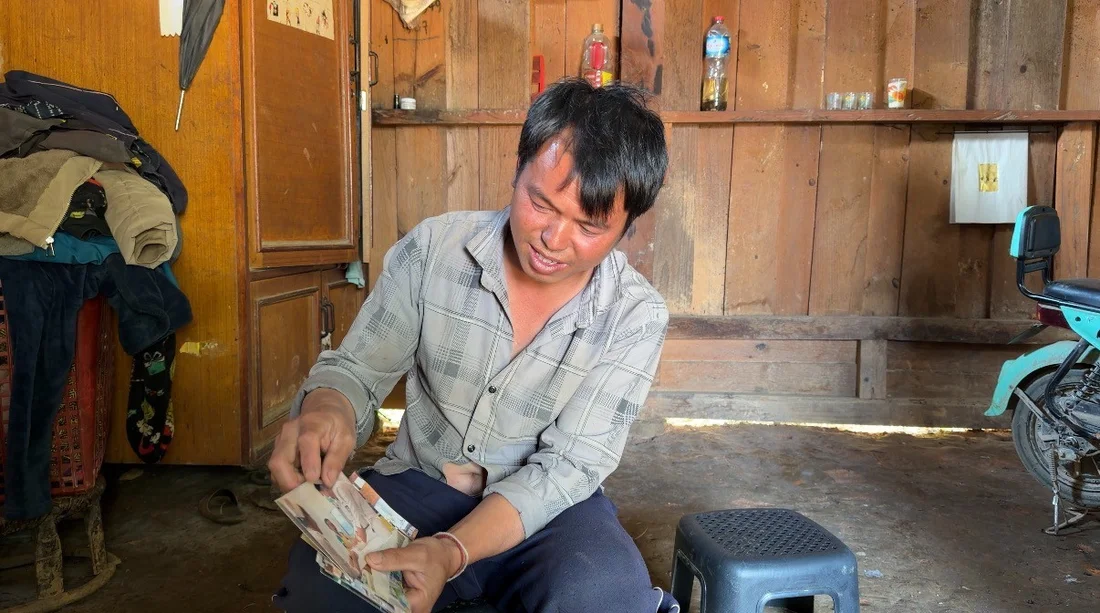
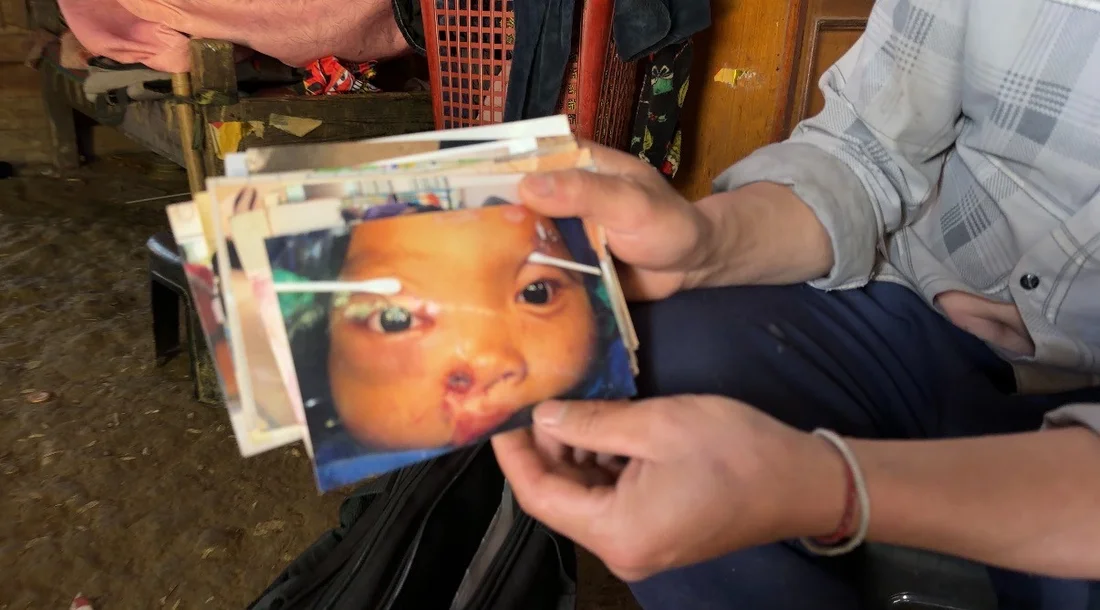
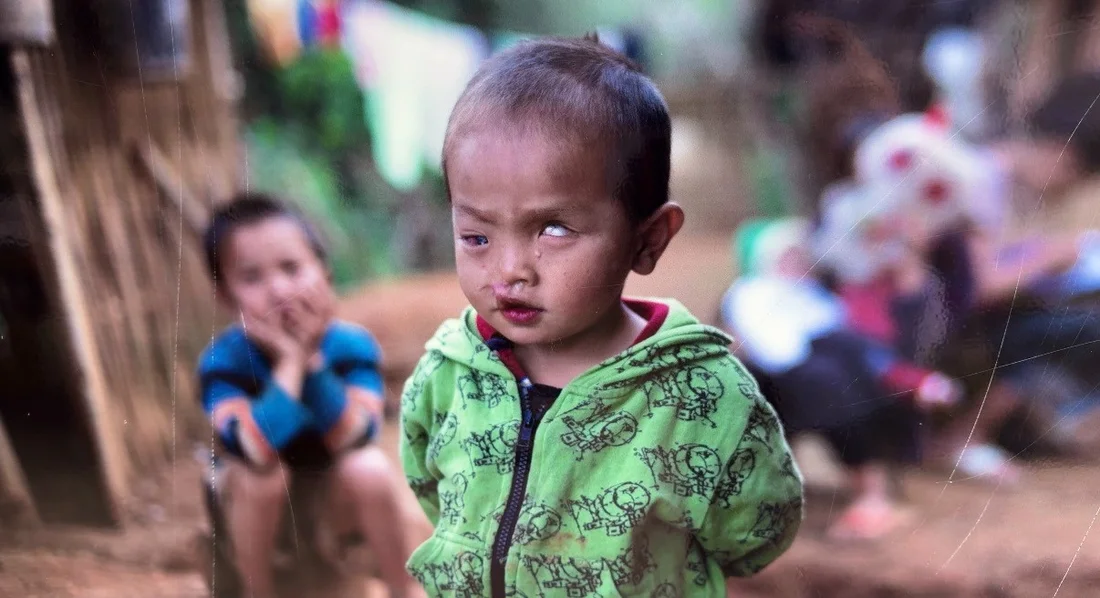
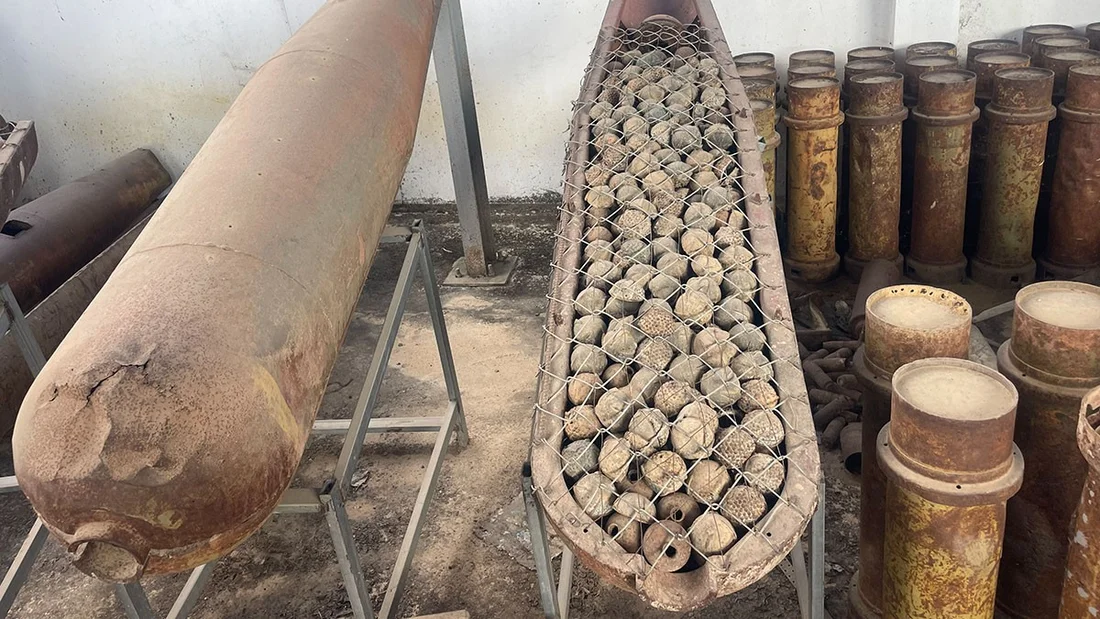
Kayeng’s story gives cause for thought. Not only because a child was severely injured by war debris, but also because dud bombs are still limiting the potential of an entire country.
Yuaya – development work needs time and support
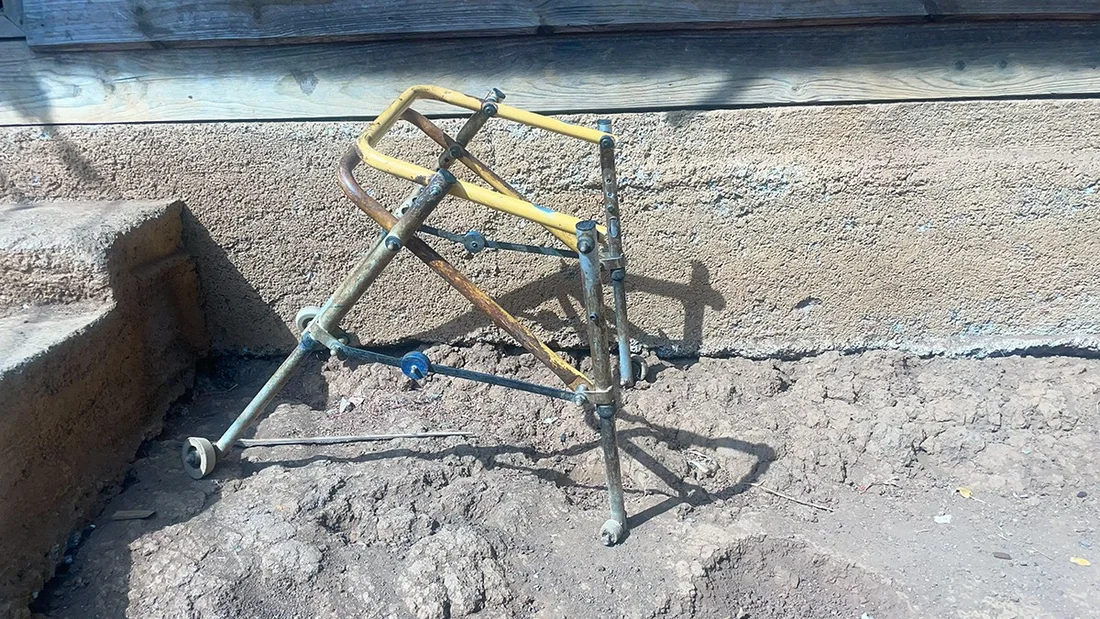
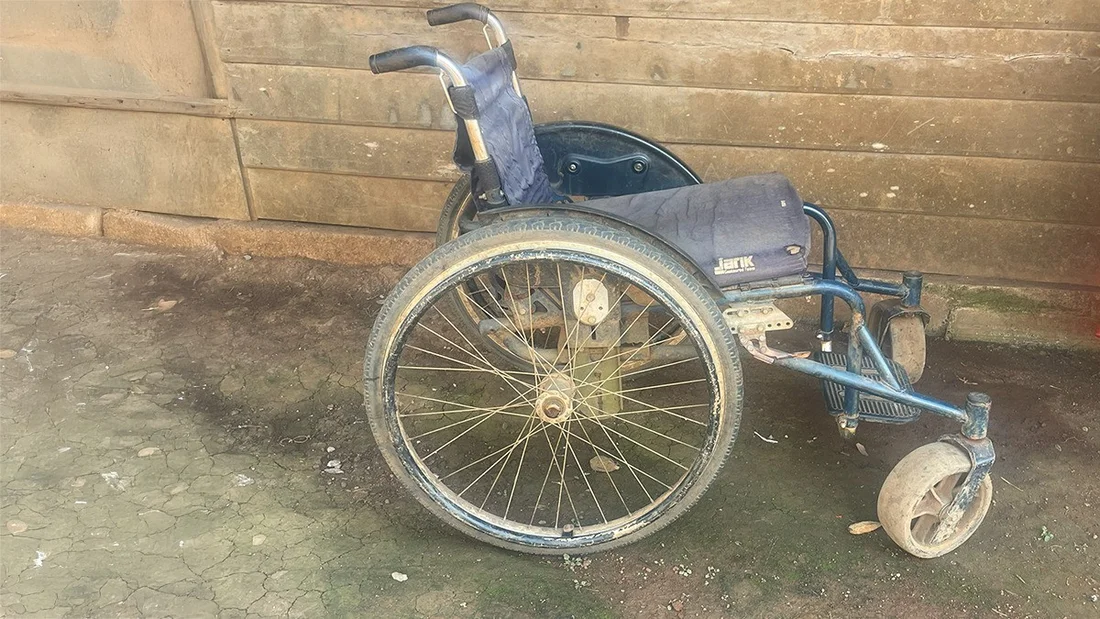
Yuaya is seven years old and lives with her family in the town of Yodnguem in Xieng Khouang province. Three of the five children have a disability. In contrast to her siblings, Yuaya’s impairment mostly pertains to her physical development. As a small child, her limbs were severely cramped; she couldn’t walk or hold a pencil. Local health services identified her special needs at an early age, and she was given physiotherapy already as a toddler.
Today she goes to school on her own, plays with the other children and laughs a lot. She can also write now. When I asked what else she can do now, her first statement is that she can now pray with the other children. That moved me deeply, because it showed what is important to her: not only physical skills, but a sense of belonging and access to her religion, which is a central part of her everyday life.
Yuaya’s development shows the importance of early, coordinated support – and how enormous the differences are if this support is missing.
Child protection that works – and is under pressure
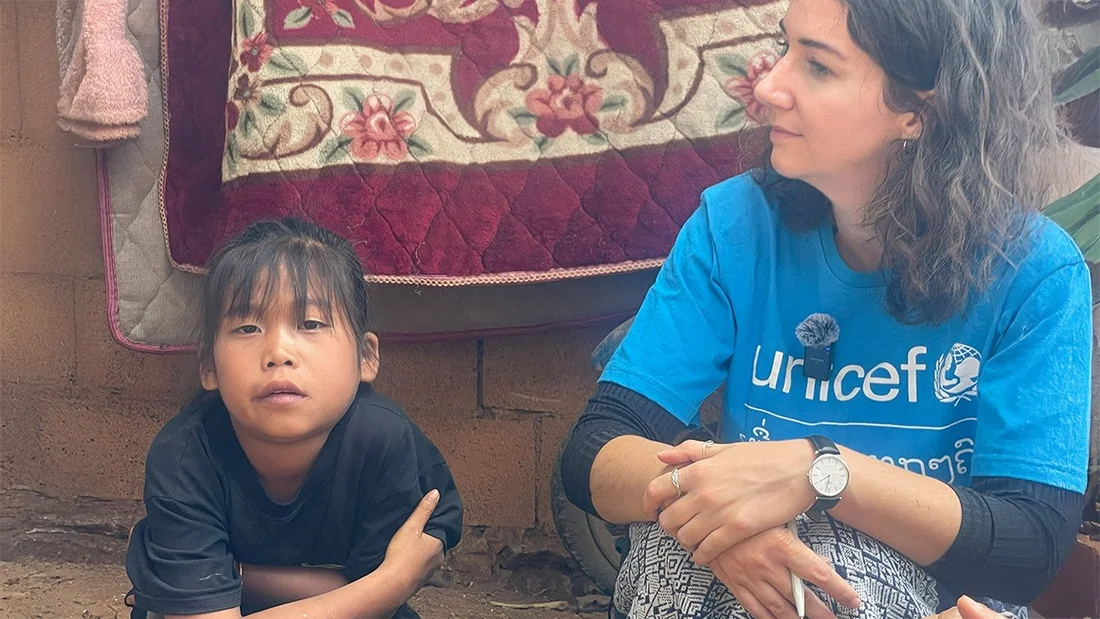
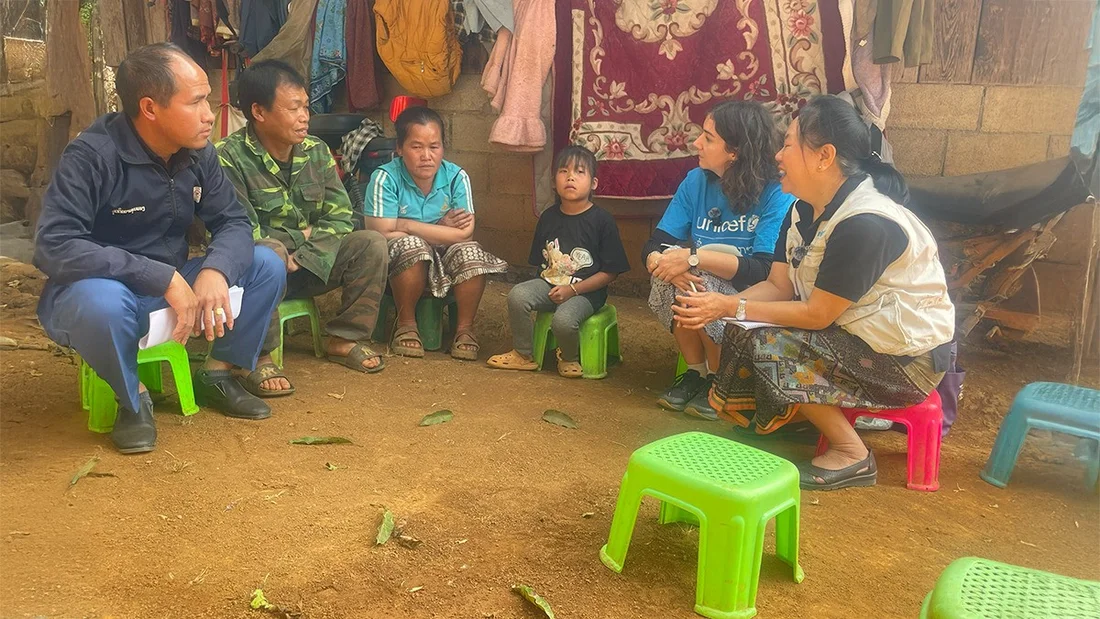
In Laos, UNICEF works closely with state agencies and local communities to sustainably strengthen child protection. Child protection networks play a key role here. They identify vulnerable children, coordinate aid programs and anchor protection where it’s needed most: in the communities. This work is subtle, yet sustainable.
Development cooperation is currently under enormous pressure. Cuts to government funding for public development endanger proven programs. The child protection program that supported Yuaya from a young age also can’t be continued. She and her family are losing important support, including cash payments to secure their livelihood. Donor engagement therefore remains of central importance. It makes it possible for children like Khamnoy, Kayeng and Yuaya to develop prospects in spite of these gaps.