Acute food insecurity and malnutrition remain alarmingly high as crises deepen
Hunger has doubled over the past decade while funding falls back to 2016 levels
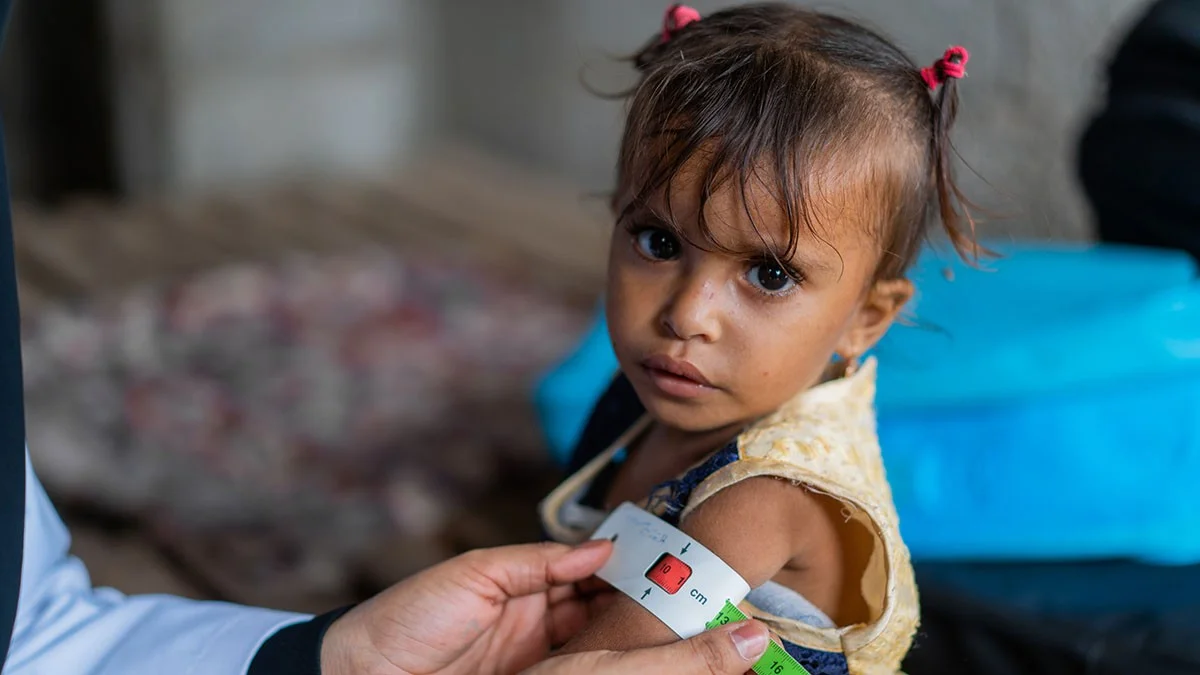
Acute food insecurity and malnutrition remain at alarmingly high levels worldwide and are increasingly concentrated in a limited number of countries, according to the Global Report on Food Crises (GRFC) 2026, released today by an international alliance. In its tenth edition, the report highlights a worrying trend: acute hunger has doubled over the past decade, and for the first time in the report’s history, two famines were confirmed in the same year.
The report by the Global Network Against Food Crises shows that acute food insecurity remains highly concentrated. Ten countries — Afghanistan, Bangladesh, the Democratic Republic of the Congo, Myanmar, Nigeria, Pakistan, South Sudan, Sudan, the Syrian Arab Republic and Yemen — account for two-thirds of all people facing high levels of acute hunger. Afghanistan, South Sudan, Sudan and Yemen are among the most severely affected, both in terms of proportion and total numbers.
At the most extreme level, famine was confirmed in Gaza Governorate and parts of Sudan in 2025 by the Integrated Food Security Phase Classification (IPC). This marks the first time that famine has been confirmed in two separate contexts within the same year. The finding signals a sharp escalation in the most severe forms of hunger and malnutrition, driven primarily by conflict, restricted humanitarian access and forced displacement.
In total, around 266 million people across 47 countries or territories experienced high levels of acute food insecurity in 2025. This represents nearly 23 percent of the analysed population, which is slightly higher than in 2024 and almost double the share recorded in 2016. The severity of the crisis remains among the highest seen in the past two decades. The number of people facing catastrophic hunger (IPC Phase 5) is nine times higher than in 2016.
At the same time, acute malnutrition remains a critical and growing concern. In 2025, 35.5 million children were affected by acute malnutrition, including nearly 10 million suffering from severe forms. Nearly half of all food crisis contexts also faced nutrition crises, driven by inadequate diets, disease and the breakdown of essential services. In the most severely affected areas, including Gaza, Myanmar, South Sudan and Sudan, these factors have led to extreme levels of malnutrition and increased risks of mortality.
Conflict and displacement drive the crisis
Forced displacement continues to exacerbate food insecurity. In 2025, more than 85 million people were forcibly displaced across food crisis contexts, including internally displaced people, asylum-seekers and refugees. These populations consistently face higher levels of acute hunger than host communities.
«Conflict remains the primary driver of acute food insecurity and malnutrition for millions around the world», said United Nations Secretary-General António Guterres in the foreword to the report. «The confirmation of famine in two conflict-affected areas in the same year is unprecedented. This report is a call to action for global leaders to scale up investment in lifesaving assistance and work towards ending the conflicts that cause such widespread suffering.»
Outlook for 2026 remains bleak
Looking ahead, the report warns that severe levels of acute food insecurity are likely to remain critical in 2026. Ongoing conflicts, climate variability and global economic uncertainty are expected to sustain or worsen conditions in many countries.
In particular, the escalation of conflict in the Middle East poses additional risks. Beyond causing further displacement, it may disrupt global agrifood markets, affecting both regional and global food security.
Immediate impacts are most visible at the regional level, especially due to the Middle East’s reliance on food imports. Rising energy and transport costs are already reducing the purchasing power of vulnerable populations. Continued disruptions may also have wider effects on global markets.
Declining funding threatens response capacity
A major concern highlighted in the report is the sharp decline in humanitarian and development funding. Financial support for food security and nutrition has dropped to levels last seen nearly a decade ago, limiting the ability of governments and humanitarian actors to respond effectively.
Data collection has also been affected, with fewer countries able to provide reliable and detailed food security and nutrition data.
Critical data gaps
The apparent decrease in the number of people facing acute food insecurity is largely due to reduced data availability rather than actual improvement. The 2026 report includes the lowest number of countries with sufficient data in the past decade.
Call to action
The Global Network Against Food Crises stresses that food and nutrition crises are no longer temporary shocks but increasingly persistent and structural challenges.
Addressing them requires sustained and coordinated action to reduce humanitarian needs, strengthen resilience and tackle root causes. This includes investing in resilient agrifood systems, climate adaptation, rural livelihoods and inclusive economic opportunities, while strengthening early warning systems and enabling anticipatory action.
Preventing the most severe outcomes, including famine, also depends on ensuring safe humanitarian access, upholding international humanitarian law and reinforcing political commitment to address conflict-driven hunger.