UNICEF, WHO and Gavi present first results of “The Big Catch-Up” initiative at the start of World Immunization Week
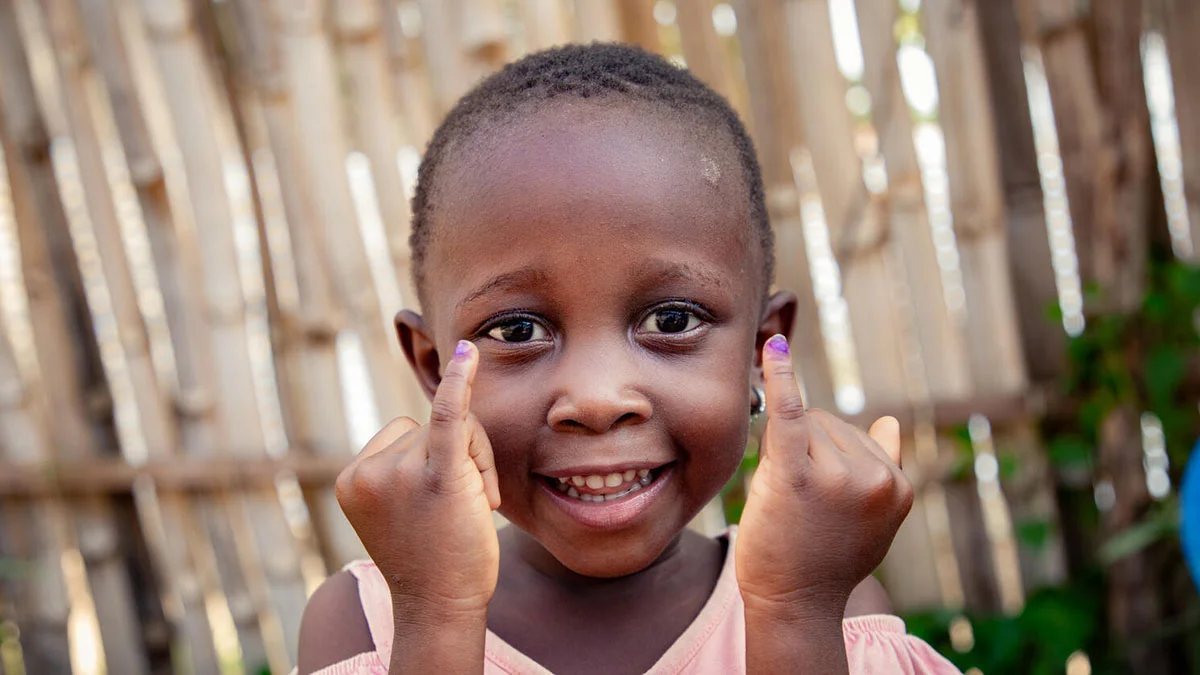
- Launched during World Immunization Week 2023, “The Big Catch-Up” has delivered over 100 million vaccine doses to an estimated 18.3 million children across 36 countries.
- Around 12.3 million were “zero-dose children”, meaning they had never received any vaccines. 15 million had never received a measles vaccine.
The initiative concluded in March 2026 and is on track to meet its target of reaching 21 million children. However, agencies warn that many infants still miss out on lifesaving vaccines through routine immunization every year.
“The Big Catch-Up” (BCU) is a historic multi-year, multi-country effort to address declines in vaccination coverage, largely driven by the COVID-19 pandemic. Between 2023 and 2025, the initiative reached an estimated 18.3 million children aged 1 to 5 across 36 countries. More than 100 million doses of life-saving vaccines were delivered, helping to reduce critical immunity gaps, according to Gavi, the Vaccine Alliance, WHO and UNICEF at the start of World Immunization Week.
Of the 18.3 million children reached, around 12.3 million had not received any vaccines before. 15 million had never been vaccinated against measles. The initiative also provided 23 million doses of inactivated polio vaccine to un- and under-vaccinated children. This is a key step towards polio eradication.
Programme implementation ended on 31 March 2026. Final data is still being analysed. However, estimates indicate that the initiative is on track to meet its goal of reaching at least 21 million un- and under-immunized children.
Agencies stress that catch-up campaigns are important to close immunization gaps. However, expanding routine immunization programmes remains the most effective and sustainable way to protect children and prevent disease outbreaks.
Addressing vaccine inequities
Beyond pandemic recovery, the initiative focused on reducing inequalities in vaccination. Each year, millions of children miss essential vaccines before their first birthday. Most of them live in fragile, conflict-affected or underserved communities and often never catch up.
The 36 participating countries across Africa and Asia account for around 60 per cent of zero-dose children globally. Pandemic-related disruptions made the situation worse and added millions of children to those already missing out.
To respond to this challenge, the initiative went beyond infant immunization. Routine immunization systems were used to reach older children aged 1 to 5 who had missed vaccinations in their first year of life.
Countries established systems to identify, monitor and vaccinate these children. Health workers were trained to detect and vaccinate missed children as part of routine services. Communities and civil society were also engaged to support these efforts.
By expanding immunization coverage and strengthening systems, countries are now better equipped to reach vulnerable populations in a sustainable way.
Progress across countries
Twelve participating countries reported reaching more than 60 per cent of zero-dose children under five who had missed their first DTP dose. In Ethiopia, more than 2.5 million previously zero-dose children received this basic immunization. The country also delivered nearly 5 million doses of polio vaccine and more than 4 million doses of measles vaccine.
Other countries also reached large numbers of children. In Nigeria, for example, 2 million previously unvaccinated children received DTP, and 3.4 million doses of polio vaccine were administered, alongside millions of other doses.
“As the largest international effort ever to reach missed children with life-saving vaccines, the Big Catch-Up shows what is possible when governments, partners and communities work together,” said Dr Sania Nishtar, CEO of Gavi.
Challenges ahead
Through this initiative, 12.3 million zero-dose children aged 1 to 5 were reached for the first time. However, in 2024, an estimated 14.3 million infants globally did not receive a single vaccine through routine immunization programmes.
Reducing this number will require stronger health systems that can consistently reach the most vulnerable communities. This is especially important in a context of population growth, conflict and pressure on health systems.
The consequences are already visible. Measles outbreaks are increasing globally. Around 11 million cases were reported in 2024, and the number of countries affected has risen significantly since 2021.
Catch-up campaigns should remain complementary to routine immunization. Timely vaccination according to national schedules remains the most effective and sustainable way to protect children and communities.
World Immunization Week
During World Immunization Week (24–30 April 2026), WHO, UNICEF and Gavi are calling on countries to strengthen and expand vaccination coverage at all ages under the theme “For every generation, vaccines work”.
The priority remains reaching zero-dose children and reducing inequalities, particularly in fragile settings. Sustaining progress will require long-term domestic investment and reliable support from partners and donors.