New UNICEF Child Alert warns that violence, hunger and displacement are once again defining childhood
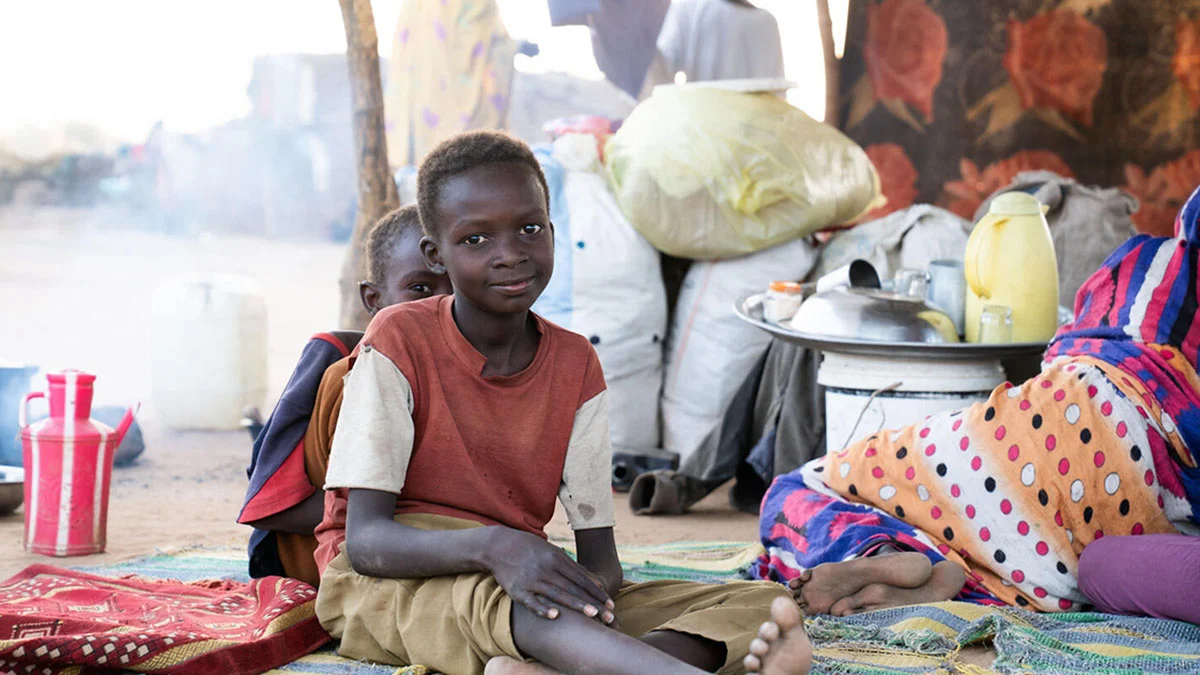
Twenty years after Darfur drew global attention as violence devastated communities and displaced millions, children in the region are once again trapped in a catastrophic crisis. This time, however, international attention and support have significantly declined, UNICEF warns in a new «Child Alert» released today.
The report «Darfur: 20 Years On, Children Under Threat» highlights how the ongoing conflict in Sudan has reignited large-scale violence, mass displacement, acute hunger and grave violations against children across Darfur.
As in 2005, homes are being burned, markets attacked, and schools and health facilities damaged or destroyed. Families are forced to flee. Today, however, the scale of needs is even greater, while global outrage is far more limited.
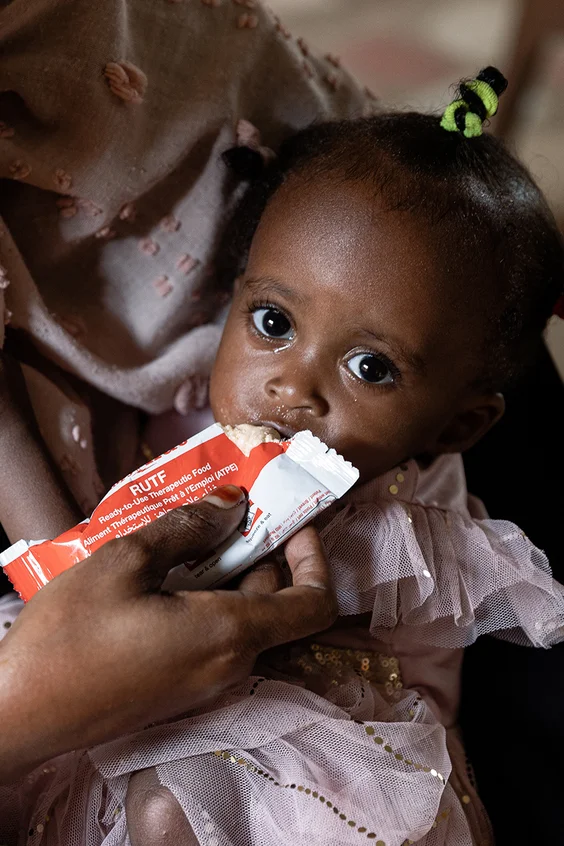
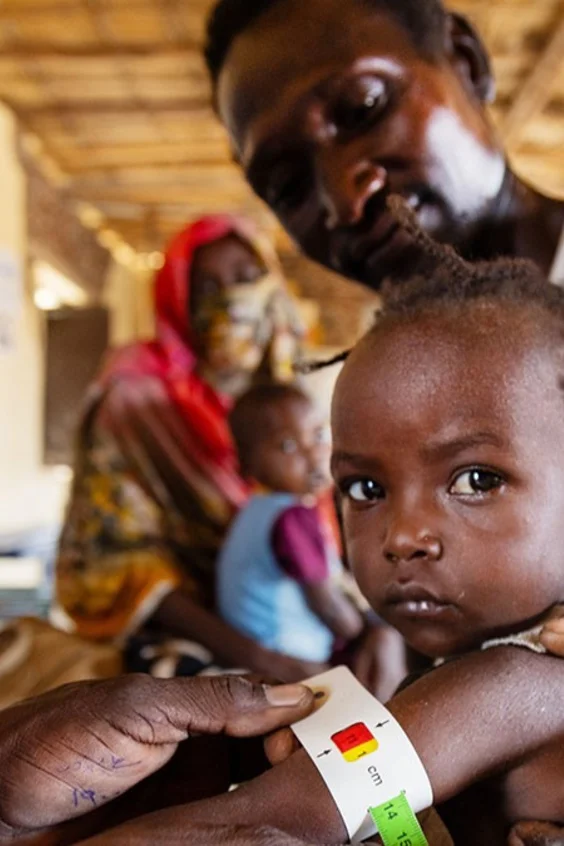
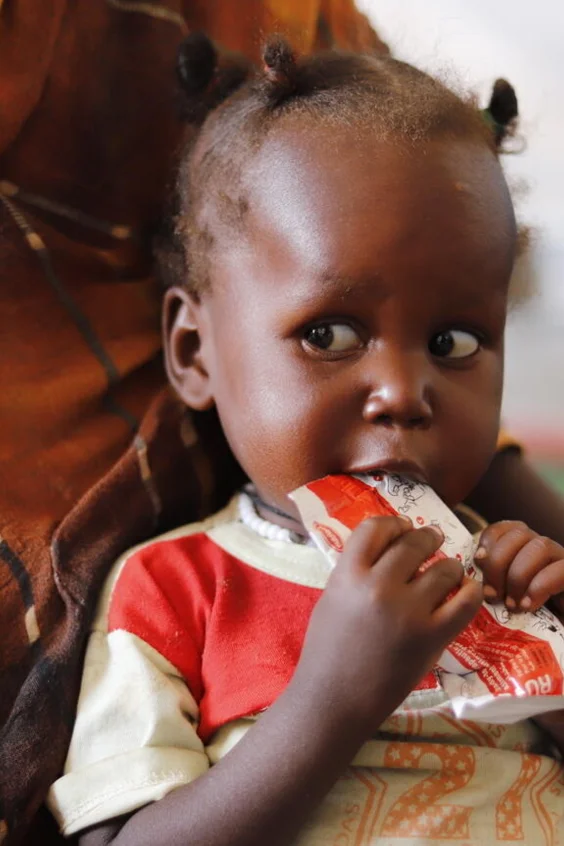
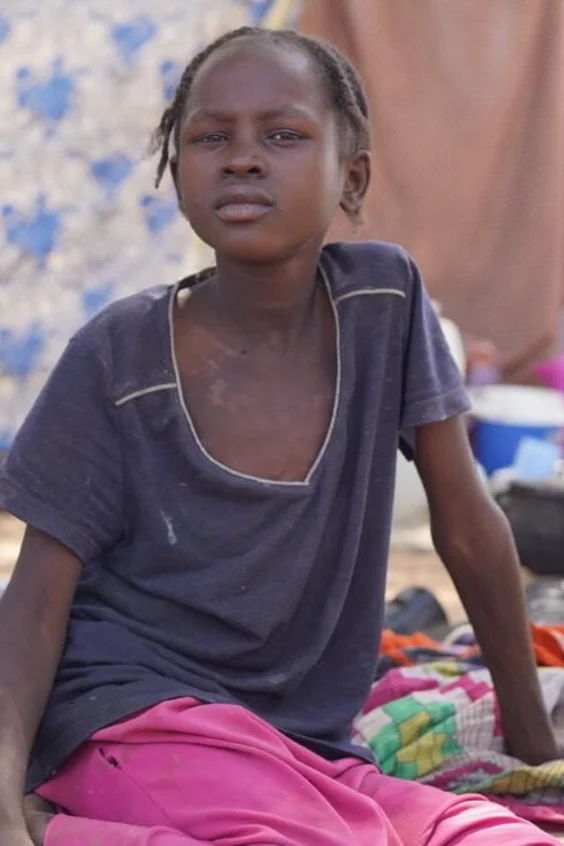
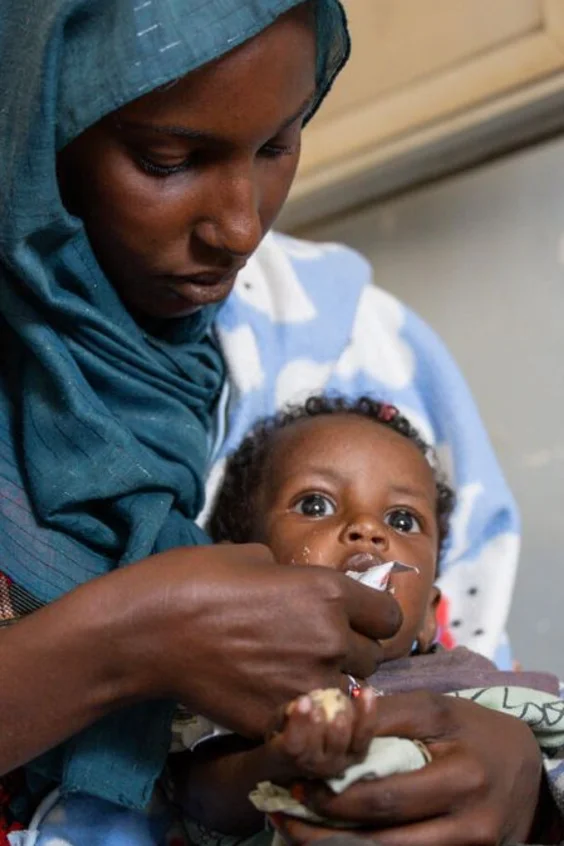
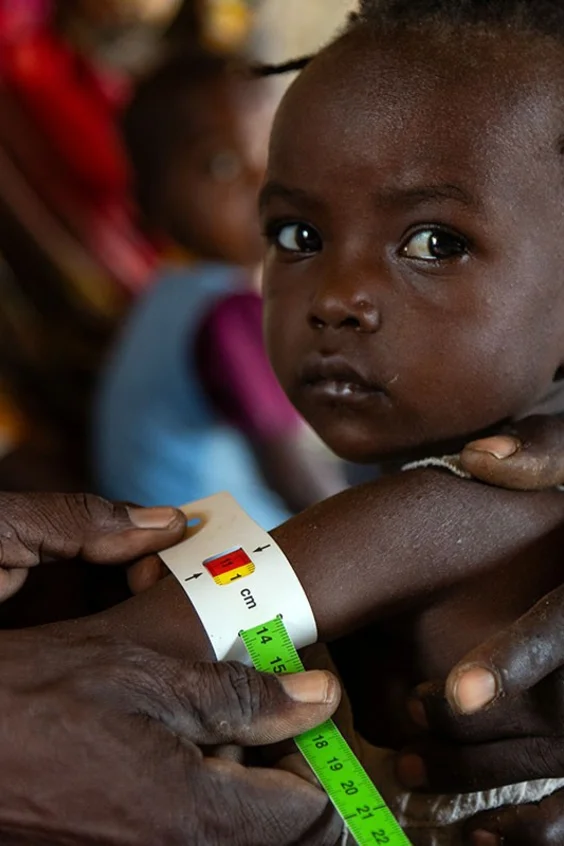
Across Darfur, children are bearing the heaviest burden of the conflict. Many have lost access to education and healthcare. A growing number face severe malnutrition, disease and violence perpetrated by armed forces and groups. Millions of children have been displaced, including across borders, particularly into eastern Chad, where already overstretched services are struggling to cope.
The «Child Alert» draws strong parallels with UNICEF’s first Darfur report published in 2005, when global outrage triggered large-scale humanitarian mobilisation. Twenty years on, children’s needs have increased in scale and complexity, yet funding gaps, access restrictions, evolving conflict dynamics and limited international attention are severely constraining the delivery of lifesaving assistance.
«Twenty years ago, the world united in outrage at the suffering of children in Darfur. Today, a new generation is facing violence, hunger and fear», said Catherine Russell, UNICEF Executive Director. «We cannot allow history to repeat itself. Children in Darfur need protection and sustained humanitarian access. Parties to the conflict must bring this war to an end.»
In Al Fasher and other locations in North Darfur, prolonged conflict and sieges have cut families off from food, safe water and healthcare. Many are forced to flee to already overcrowded areas. Across the region, conflict has damaged or destroyed essential infrastructure, worsening hunger and disease as livelihoods collapse.
Children are also facing a sharp increase in extreme violence. The situation is particularly severe in Al Fasher. Since April 2024, more than 1,500 grave violations against children have been verified there. These include the killing and maiming of more than 1,300 children, often using explosive weapons and drones, as well as sexual violence, abductions and recruitment by armed groups. These figures likely underestimate the true scale of abuse.
Since the start of the conflict, more than 5,700 grave violations against children have been documented across Sudan, affecting around 5,100 children. More than 4,300 have been killed or maimed. The situation is worsening. In the first three months of 2026 alone, at least 160 children were reportedly killed and 85 injured, representing a significant increase compared to the same period last year.
Despite these challenges, UNICEF and its partners continue to provide lifesaving support across Darfur and neighbouring countries. This includes access to education, safe water and sanitation, treatment for severe acute malnutrition, mobile health services, psychosocial support and safe spaces for children.
However, the «Child Alert» warns that humanitarian efforts remain severely constrained by insecurity, administrative barriers and funding shortages, leaving many children without support when they need it most.
UNICEF calls on all parties to the conflict to respect international humanitarian law, protect civilians including children, ensure safe and unimpeded humanitarian access, and prevent and end grave violations against children. The organisation also urges donors to provide flexible, multi-year funding to sustain essential programmes and support children affected by displacement.