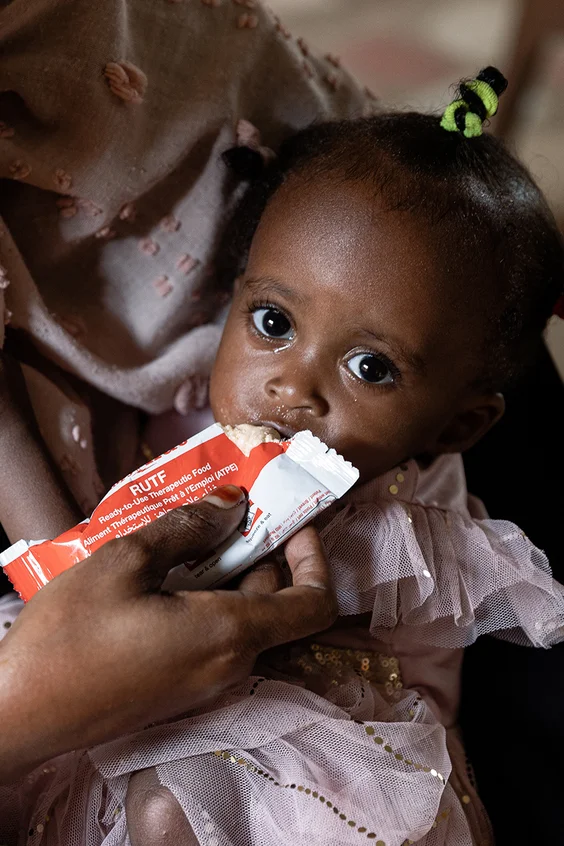
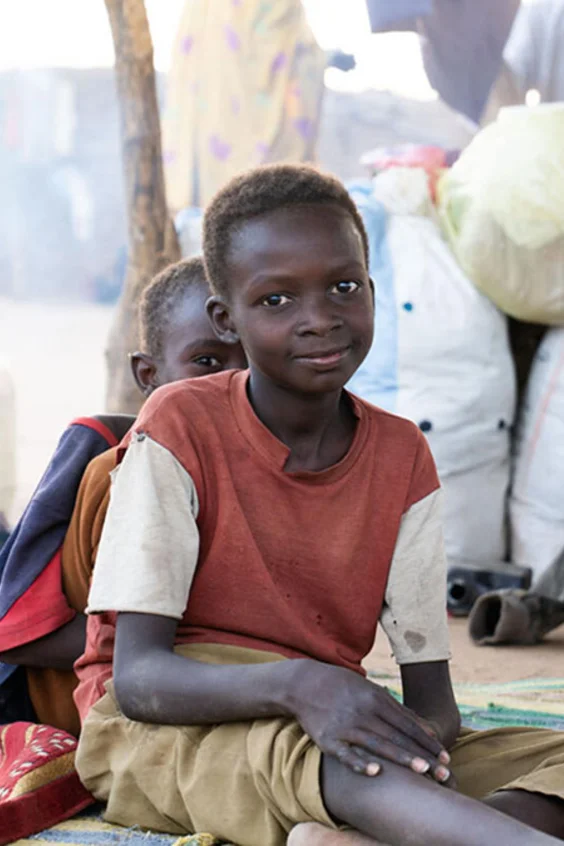
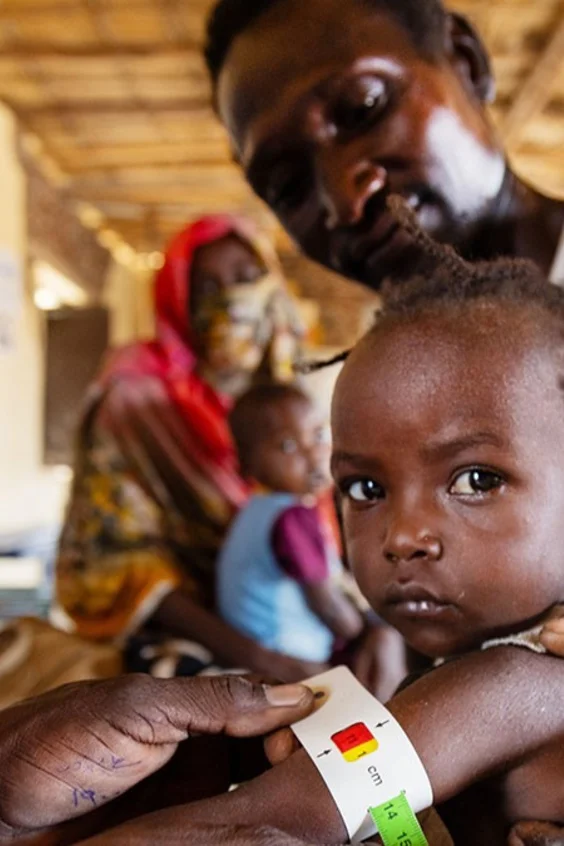
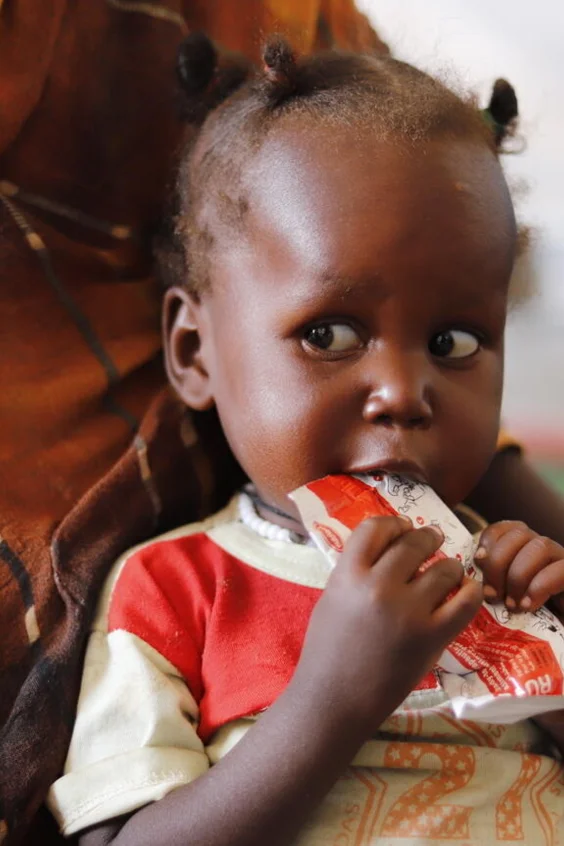
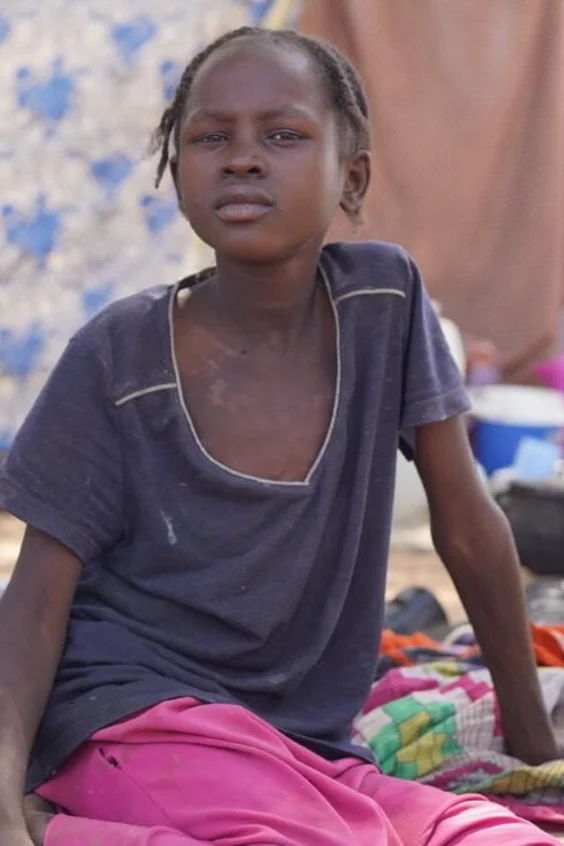
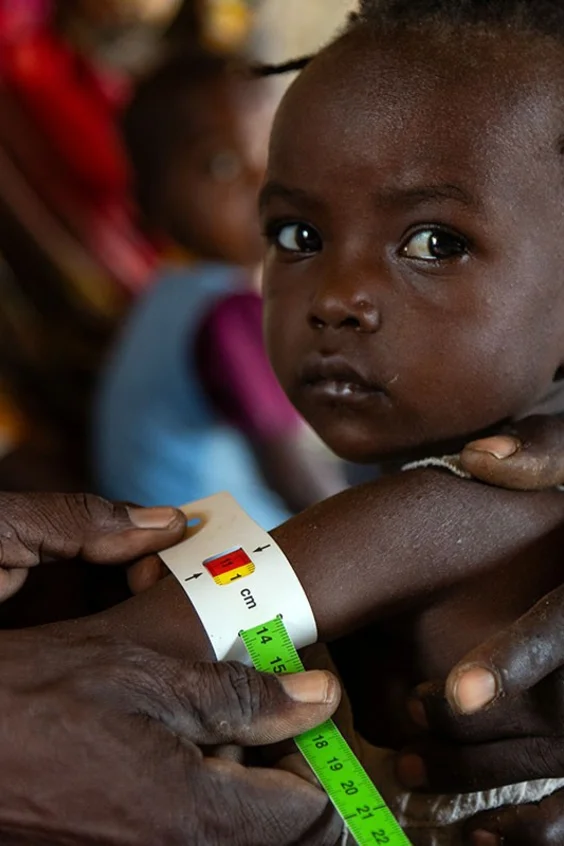
After more than 900 days of brutal fighting, Sudan stands on the brink of humanitarian collapse. Millions are suffering from hunger, displacement, disease and the breakdown of essential services.
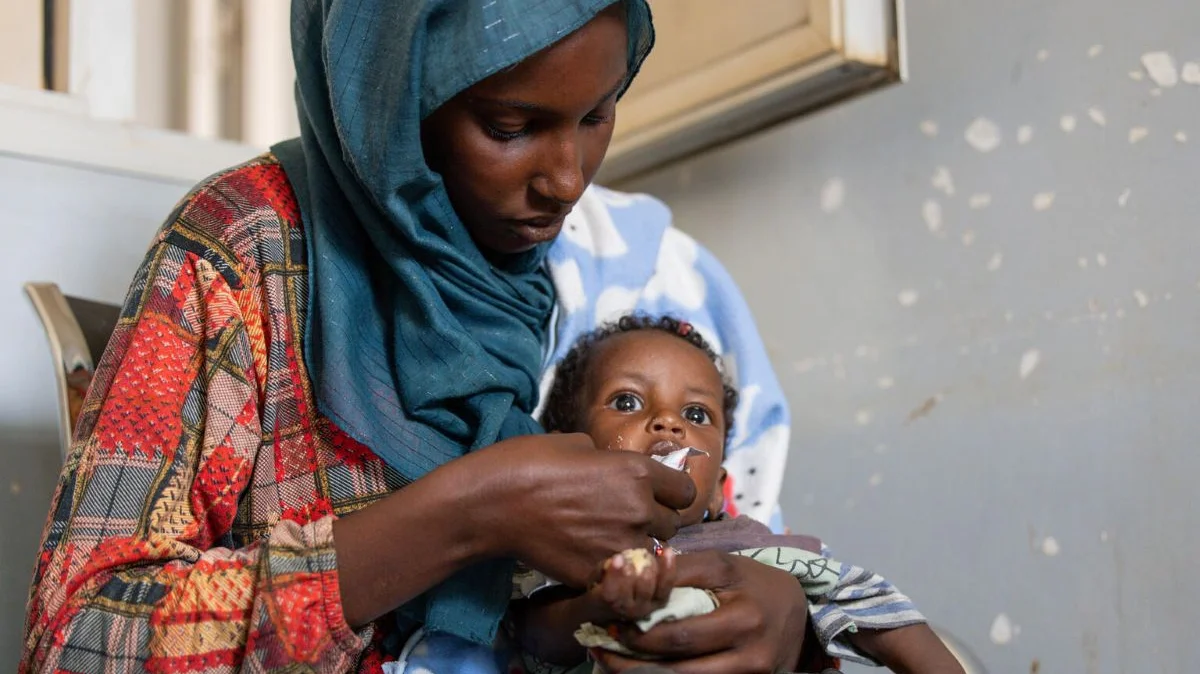
Four UN agencies – the International Organization for Migration (IOM), the UN Refugee Agency (UNHCR), UNICEF and the World Food Programme (WFP) – are calling on the international community to take immediate action. With more than 30 million people in need, including 9.6 million internally displaced and 15 million children, Sudan is among the world’s largest humanitarian crises.
Since the beginning of the year, more than one million people have returned to Khartoum, and around 2.6 million nationwide. Many have found their homes and neighbourhoods destroyed, with no access to safe water or health care. Fourteen of seventeen million school-age children are unable to attend school. Famine-like conditions persist, while malnutrition and diseases such as cholera, dengue and malaria continue to spread unchecked.
In Darfur and the Kordofan states, the situation continues to deteriorate. In Al Fasher, 260 000 civilians, including 130 000 children, have been under siege for more than 16 months, cut off from food, water and medical care. Health facilities are destroyed, and children with severe acute malnutrition remain without treatment. Reports of killings, sexual violence and forced recruitment are increasing daily.
“The return of many families to Khartoum is a sign of resilience – and at the same time a warning,” said Ugochi Daniels, IOM Deputy Director General for Operations. “Their determination to survive is remarkable, but life remains extremely fragile.”
“This is one of the worst protection crises in decades,” said Kelly T. Clements, UNHCR Deputy High Commissioner. “Millions are displaced within and beyond the country, many with no support at all.”
Ted Chaiban, UNICEF Deputy Executive Director, stressed: “Children are hungry, sick and exposed to violence. The courage of families must finally be met with decisive global action.”
Valerie Guarnieri, WFP Assistant Executive Director, added: “I saw a city devastated by war – but also determination and hope.”
The 2025 Humanitarian Response Plan, totaling US$ 4.2 billion, is only 25 per cent funded. Without additional resources, life-saving programmes risk being suspended. Insecurity, bureaucratic hurdles and restricted access further hamper relief efforts.
The four agencies call for:
- An immediate ceasefire and protection of civilians, especially children;
- Unhindered humanitarian access and simplified procedures for aid delivery;
- Urgent, flexible funding to sustain relief operations;
- Durable solutions for displaced and returning populations;
- Continued protection for some 900 000 refugees in Sudan.
IOM, UNHCR, UNICEF and WFP reaffirm their commitment to deliver life-saving assistance