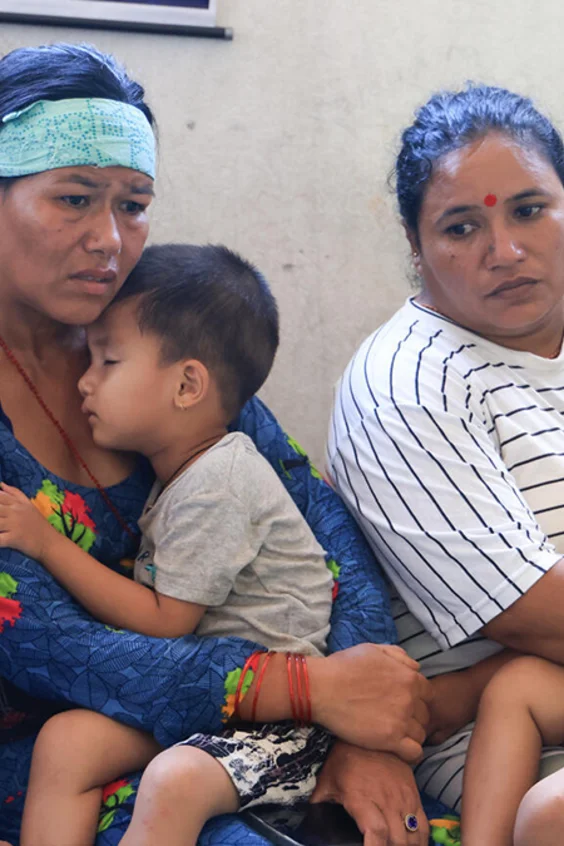
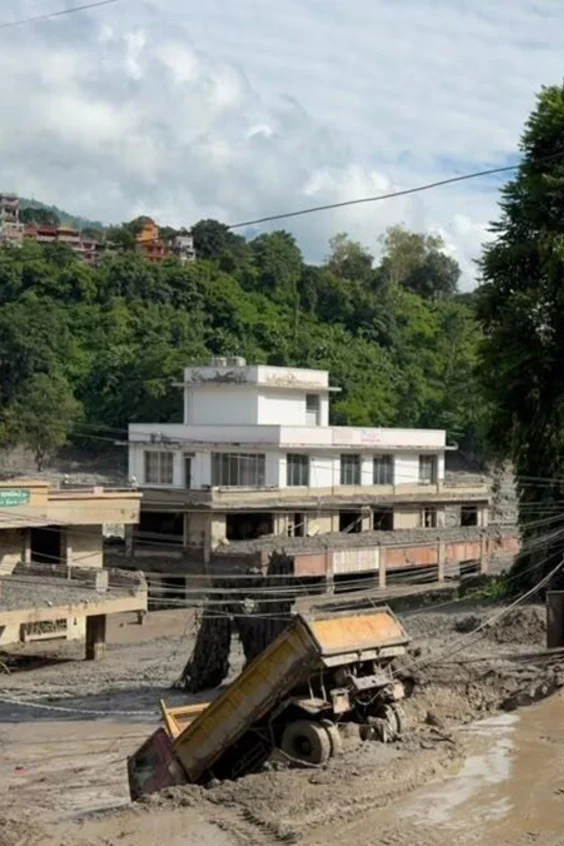
One month after devastating floods struck central and northern Nepal, thousands of children continue to face disruptions to their education, highlighting the urgent need for sustained support to help them return to safe learning environments.
Initial assessments indicate that learning has been disrupted for more than 14 000 children across 62 schools and learning centres in flood-affected areas in Dhading, Nuwakot and Rasuwa districts. The disaster also had a devastating human toll, with around 440 students and education personnel reported dead or missing, including 414 children.
«Education is a critical part of children's recovery after a disaster», said Alice Akunga, UNICEF Representative to Nepal. «Returning to learning provides children with a sense of stability, routine and hope at a time when many have experienced significant loss and uncertainty.»
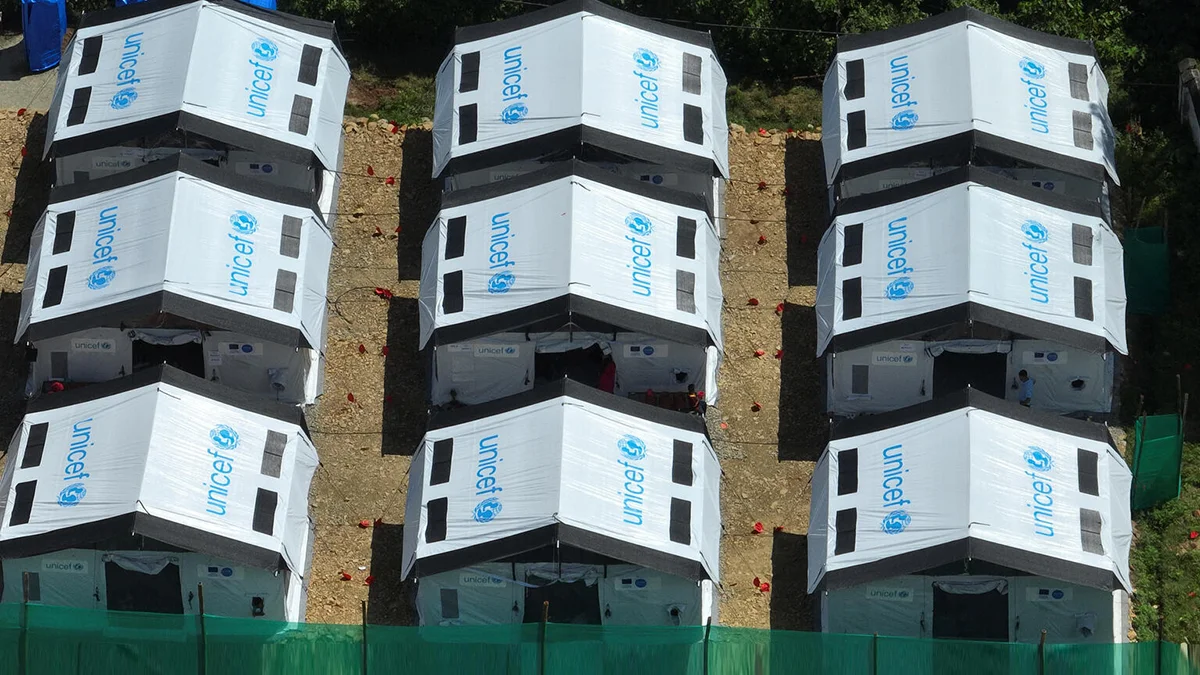
Since the onset of the emergency, UNICEF has worked with the Government of Nepal and partners to help children resume learning as quickly as possible. To date, UNICEF has supported the establishment of 48 temporary learning centres, helping more than 1 400 children in flood-affected areas return to learning. UNICEF has also provided essential learning materials and psychosocial support to help children recover and continue their education.
While these efforts are helping children return to learning, recovery needs remain substantial. The Education Rapid Needs Assessment estimates that significant investment will be required to restore damaged education infrastructure and ensure children can continue their education uninterrupted.
UNICEF is calling for continued support for both immediate recovery efforts and longer-term resilience building, ensuring that every child affected by the floods can learn, recover and thrive. As Nepal moves from emergency response to recovery, there is also an opportunity to strengthen the resilience of schools, health facilities, water and sanitation systems, and other critical infrastructure to better withstand future shocks. With climate-related disasters becoming more frequent and severe, investments in climate-resilient infrastructure, preparedness and social services are critical to help protect children and communities from future disruptions.
«When floods damage schools, children don't just lose classrooms. We miss lessons, fall behind in our studies, spend less time with our friends and teachers, and lose the routines that help us feel safe and supported», said Jayanti Bam, UNICEF Nepal's Youth Advocate for Climate Action. «We need stronger schools that can withstand disasters. We also need to know what to do when there is a flood, landslide, or other emergency. And if our schools are damaged, we need ways to keep learning, whether in a temporary learning space or online, so our education can continue.»
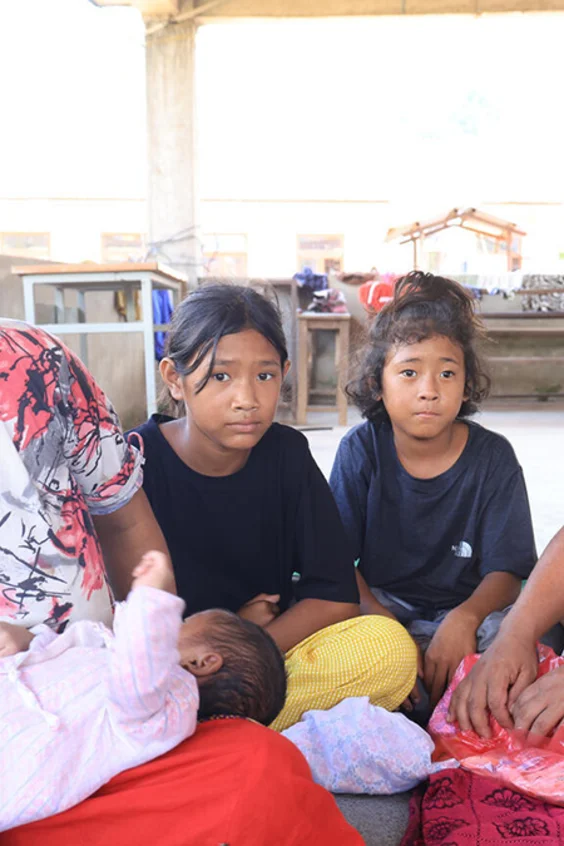
One month after the floods, thousands of children and their families are still enduring the consequences every day. Many families remain displaced, some schools are still being used as temporary shelters, and damaged roads and bridges continue to limit access to critical education, health, water and sanitation services in some of the hardest-hit communities.