The situation
Civil war has plagued Sudan for over two years. More than half of the population, including more than 15 million children, now urgently need humanitarian assistance. The displacement crisis in Sudan is the largest in the world, with over 12 million people having fled their homes.
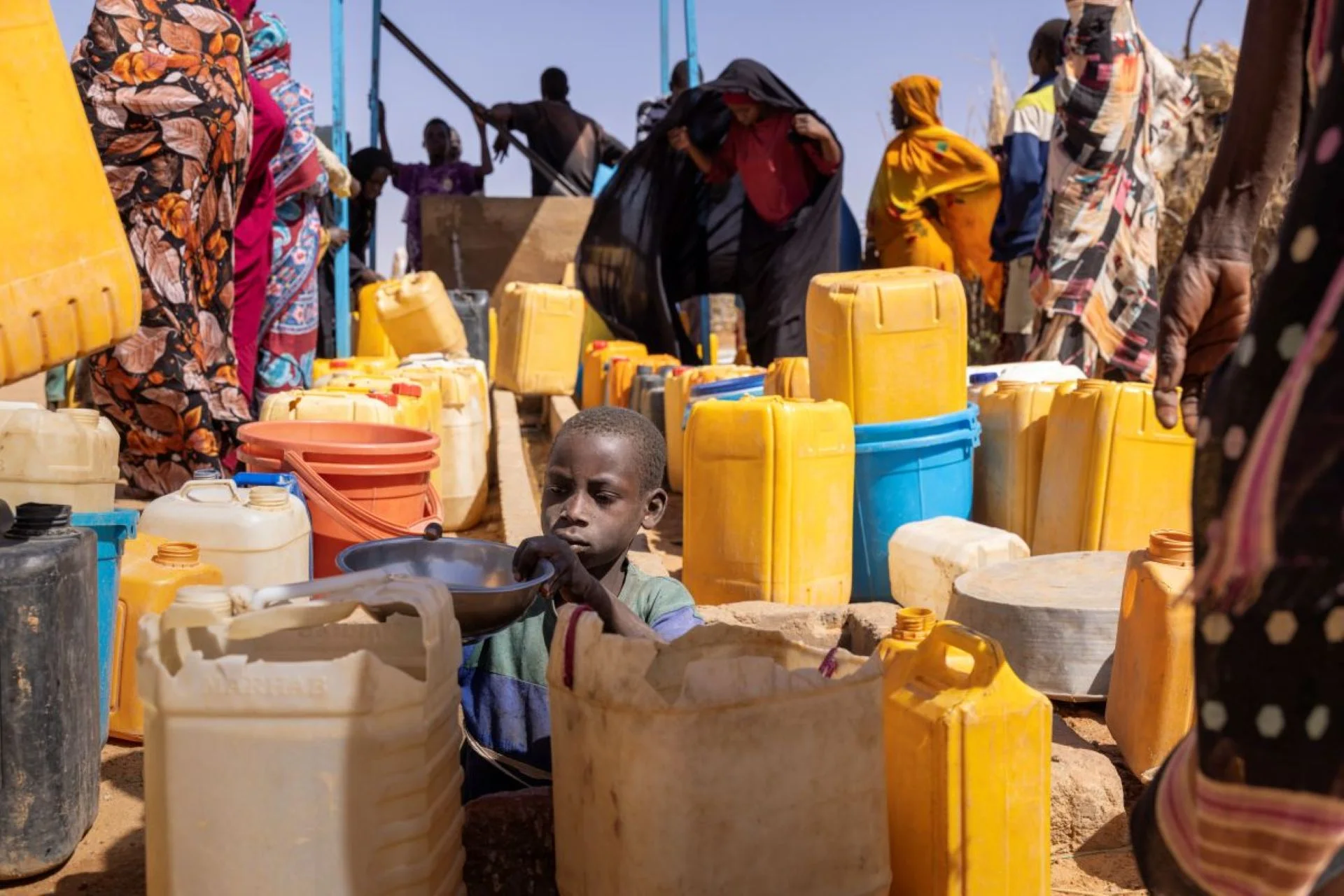
Many Sudanese are now refugees in neighboring Chad. Eastern Chad has seen an influx of almost one million people, among them 570,000 children, seeking shelter. But Chad itself is fighting extreme poverty, hunger, climate-related disasters and outbreaks of disease. It is one of five countries in the world with the most refugees per capita.
Since the Darfur crisis in 2003, around 410,000 refugees from Sudan have been living in eastern Chad, with new refugees arriving every day. The host provinces are among the country’s poorest regions, and the influx of refugees is putting even more strain on already-scarce resources and services. Clashes have erupted between the local residents and the various refugee groups.
How your donation helps
UNICEF is committed to ensuring that the emergency response in eastern Chad benefits refugees from Sudan, the communities sheltering them and returning Chadian citizens. These efforts are meant to help strengthen the region’s fragile social cohesion and reduce tensions between the groups.
Your donation helps provide:
- WASH services for families fleeing to (or returning to) Chad and the communities that are hosting them
- Medical care, vaccinations and HIV treatments for children and families
- Timely, high-quality child protection services for vulnerable children
- Better nutrition for infants and small children through age-appropriate nutritious meals, vitamin supplements, enriched foods and preventive deworming treatments
- Stronger social cohesion through community projects that involve families in active decision-making
- Equal access to inclusive, high-quality education for children and adolescents
- Distribution of emergency supplies
- Cash transfers for especially vulnerable families to help cover basic needs