The situation
Millions of children – especially in Somalia, Sudan and Gaza – are suffering from malnutrition
Malnutrition is a silent but deadly threat to children worldwide. According to the UN report The State of Food Security and Nutrition in the World (SOFI 2026), around 150.2 million children under the age of five are stunted due to chronic malnutrition. Another 42.8 million are underweight due to acute malnutrition. The situation is especially dire in Somalia, Sudan and Gaza.
Somalia is facing its worst famine since 2011
Somalia is seeing the development of its worst crisis in years. Around 6 million people – nearly a third of the population – are experiencing acute malnutrition, with young children particularly at risk. Around 1.9 million children under the age of five are suffering from acute malnutrition – over 493,000 so severely that they may die if they don’t receive treatment. Many places lack the basic necessities and services to help them. More than 500 health and nutrition centers have closed due to funding cuts, just when they are needed most. And more uncertainty will arise when El Niño brings above-average rainfall, triggering more flooding, disease outbreaks and displacement.
For Sudan’s children, war is a part of daily life
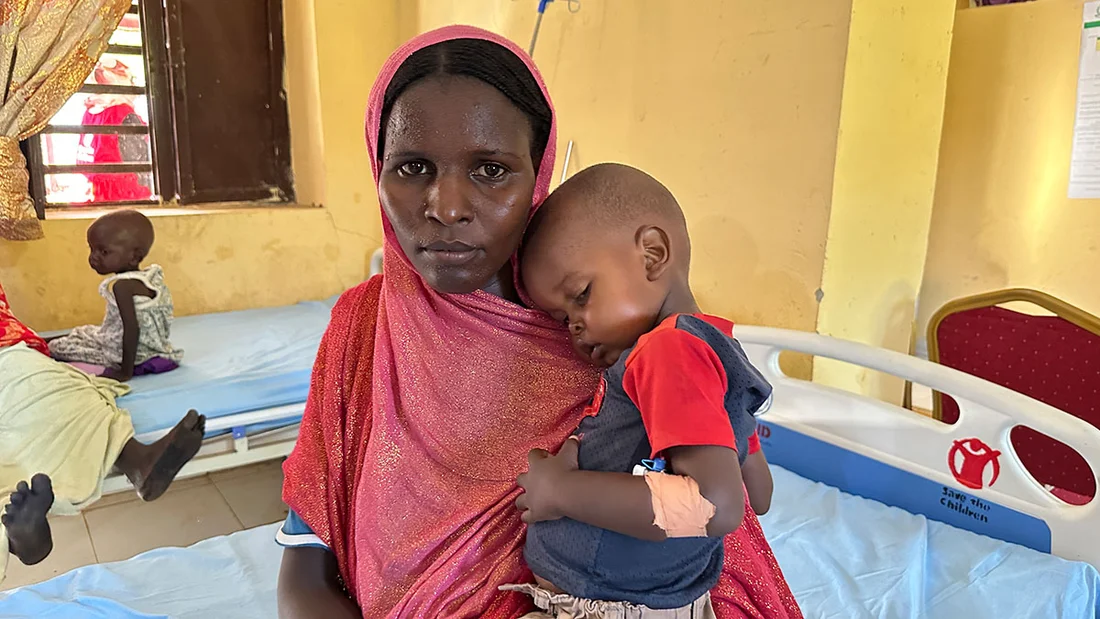
The brutal war in Sudan has now lasted more than three years and has become part of normal life for millions of families there. About 9.1 million people are internally displaced, many of them having had to flee multiple times. Those who escape the fighting often arrive at villages and camps that are overcrowded. Nearly 19.5 million people in Sudan – forty percent of the population – do not have enough to eat. In 2026, people across Sudan are going hungry, including 825,000 children under five who are experiencing severe acute malnutrition. At the same time, the conflict has made access to clean water and healthcare virtually impossible, resulting in the spread of cholera and other diseases. The children there are experiencing war, hunger and disease outbreaks simultaneously, and these events reinforce one another.
The situation remains critical in Gaza
Since the ceasefire in October 2025, the food situation in Gaza has improved somewhat. Humanitarian organizations have been allowed back in and are delivering aid to the people there. While famine conditions have abated, the situation remains alarming. Millions still need assistance, and any recent progress could be lost to new restrictions in a heartbeat. About 74,200 children between 6 and 59 months are expected to experience acute malnutrition between May 2026 and April 2027. About 24,600 pregnant and nursing women also need additional support during this time.
Why malnutrition is so dangerous for children
Children under five are especially vulnerable to developing malnutrition. A distinction is made between acute malnutrition (manifesting in wasting, in which a child’s weight is below average), and chronic malnutrition (manifesting in stunting, in which a child’s height is below average). When these forms of malnutrition occur in the first years of life, they can impair physical and psychological development for the rest of a child’s life. Of particular concern is severe acute malnutrition, which massively weakens the immune system and increases the risk of death from common infectious diseases like diarrhea or pneumonia elevenfold.
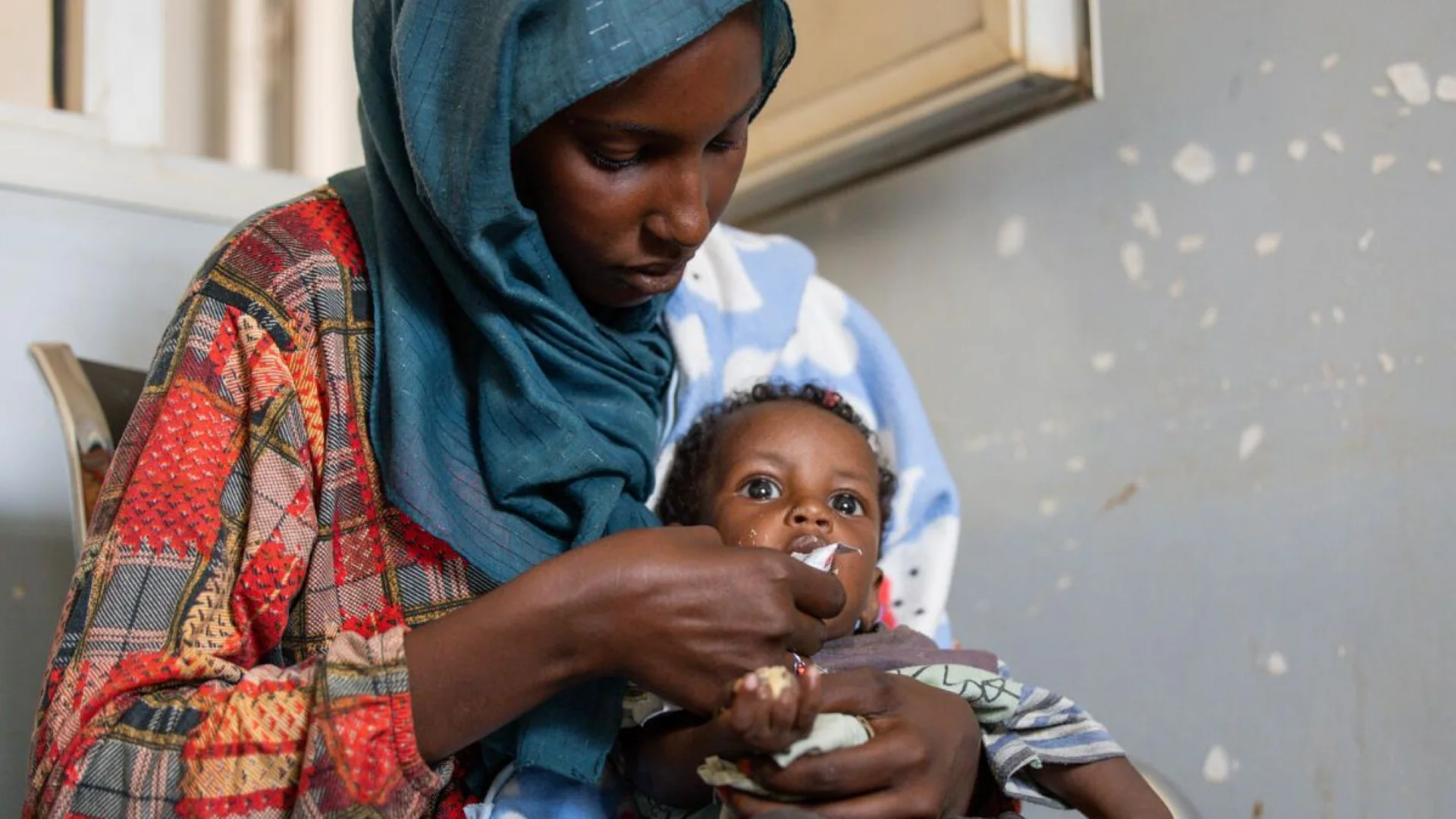
At the same time, experience shows that it can be treated effectively: 9 in 10 children respond well to special therapeutic food and recover, often within weeks. UNICEF is the world’s largest procurer of this life-saving food.
War, the climate crisis and funding gaps have worsened the situation
The causes of the food crises in Somalia, Sudan and Gaza are complex yet closely interlinked:
- War and displacement: Wars and armed conflicts result in destroyed crops, disrupted supply lines and families being forced to flee.
- Climate crisis: Periods of no rain and recurring droughts, like the one currently affecting Somalia, destroy crops and livelihoods; in other regions, floods threaten food supplies.
- Economic shocks: Rising food and fuel prices are making basic staples unaffordable for the poorest families.
- Lack of funding: Humanitarian aid funding is declining worldwide. In Somalia, more than 500 health and nutrition centers have been forced to close.
How your donation helps
Every child deserves a childhood without hunger. Thanks to your help, UNICEF can fight malnutrition around the world.
Severe acute malnutrition is a medical emergency. UNICEF provides undernourished children with medicines, therapeutic milk and specialized therapeutic food that contains essential nutrients and is specifically tailored to the needs of severely weakened children. Treatment also includes managing diarrhea and pneumonia, infections from which many undernourished children suffer. Often, infection is the immediate cause of death, rather than hunger alone.
UNICEF provides health services and lifesaving medicines. Children in many countries cannot get prompt medical treatment, causing their conditions to worsen.
Micronutrients, deworming tablets, medical care and vitamin- and nutrient-enriched foods for pregnant and nursing women.
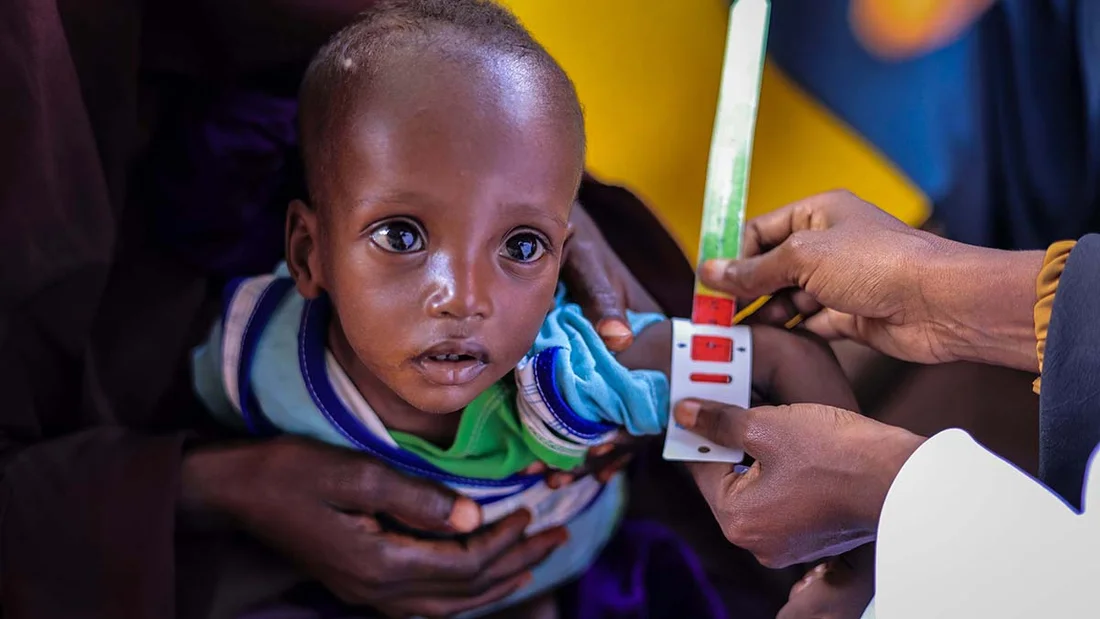
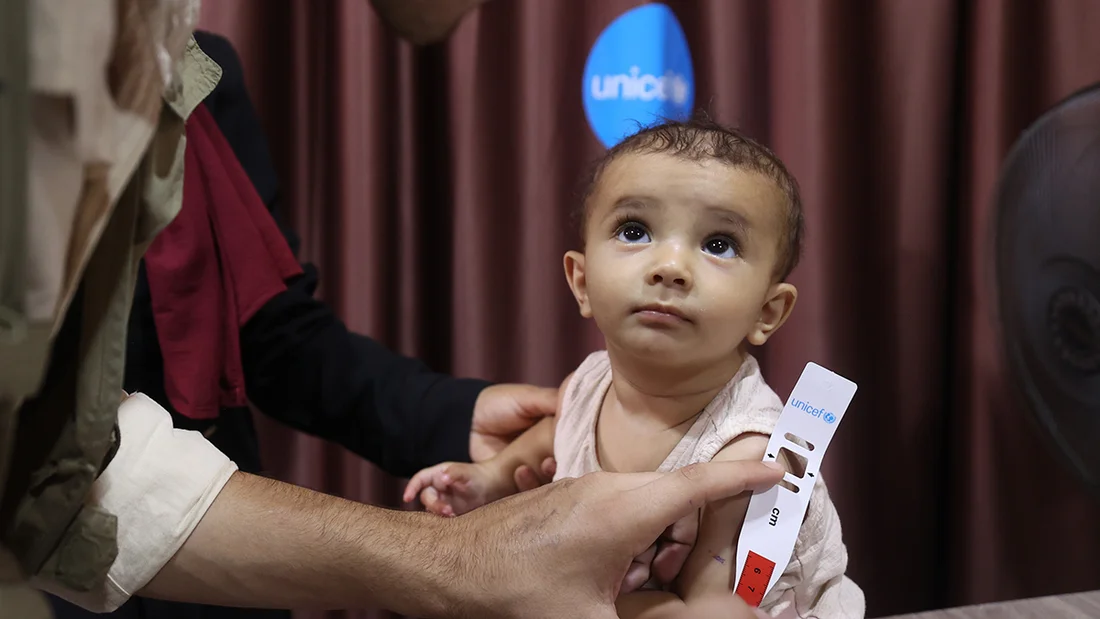
Early detection training for health workers and parents, including on the use of mid-upper arm circumference (MUAC) measuring tapes to identify malnutrition.
UNICEF works together with the governments of many countries to build social assistance programs for their poorest families. This includes cash transfers to help pay for essentials like food, water, clothing and healthcare.