For three decades, a small sachet of fortified peanut paste has been one of the most effective tools in the fight against severe wasting – the deadliest form of malnutrition in children under five. Today, more than 12 million children worldwide are affected.
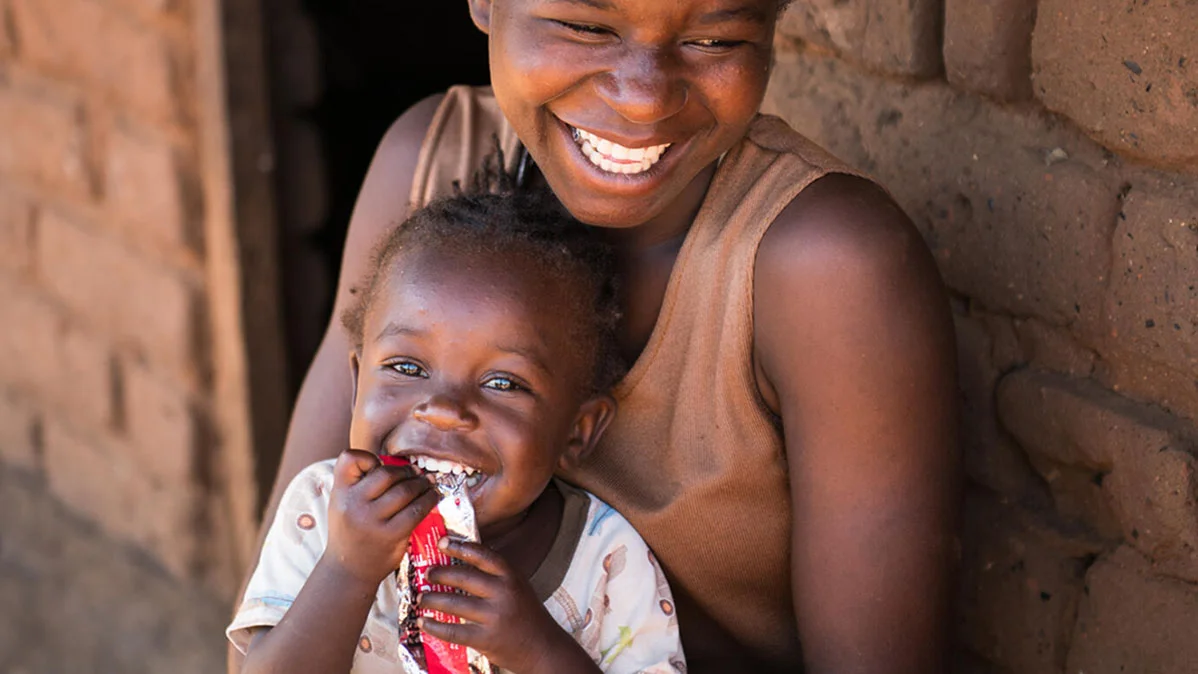
For three decades, a small sachet of fortified peanut paste has been one of the most effective tools to treat severe wasting, the deadliest form of malnutrition, in children under five. Today, more than 12 million children worldwide are affected by severe wasting. As conflict, climate shocks and funding pressures increase, ensuring a reliable and uninterrupted supply of Ready-to-Use Therapeutic Food (RUTF) is more important than ever.
Developed in 1996, RUTF transformed the treatment of severe wasting by enabling children without medical complications to be treated at home. This reduces the need for hospitalisation, lowers costs for families and decreases the risk of secondary infections.
Today, RUTF, as part of a community-based approach, has significantly improved how life-saving care is delivered. It has contributed to a historic decline in preventable child deaths. While marking 30 years of progress, this milestone is also a call to action. Nutrition treatment, including therapeutic milk, must be expanded to strengthen supply systems, reduce costs and ensure that every child in need has continuous access.
«This small but powerful sachet of therapeutic food has transformed the way we treat children with severe malnutrition», said UNICEF Executive Director Catherine Russell. «I have seen children suffering from wasting recover when treated with RUTF. It empowers families by putting life-saving treatment into their hands. No child should die from malnutrition in a world of plenty.»
Key facts on 30 years of Ready-to-Use Therapeutic Food
- Children with severe wasting are dangerously underweight for their height. Their immune systems are weakened, making common illnesses life-threatening. Their risk of dying is 12 times higher than that of well-nourished children.
- Globally, 42,8 million children are affected by wasting, including 12,2 million with severe wasting.
- RUTF is highly effective, with recovery rates of nearly 90 percent among children with severe acute malnutrition.
- In 2025, UNICEF screened 255 million children for wasting and treated more than 9 million.
- RUTF is made from peanuts, skimmed milk powder, oil, sugar and essential vitamins and minerals. It is used to treat children aged 6 to 59 months.
- A 92 gram sachet provides around 500 calories, helping children gain weight and rebuild their immune systems.
- RUTF contains no water, which prevents bacterial growth. It remains safe in different environments, including humid conditions, and does not require refrigeration. It has a shelf life of 24 months.
- RUTF remains the only WHO-recommended outpatient treatment for child wasting.
- UNICEF is the world’s largest procurer of RUTF. Between 2003 and 2025, UNICEF delivered 8,7 billion sachets globally.
- In 2023, UNICEF delivered nearly 1,1 billion sachets, the highest annual volume to date.
- Ethiopia has received the largest share. Between 2003 and 2025, 1,6 billion sachets worth US$ 296 million were delivered, supporting treatment for at least 500 000 children each year.
- One carton containing 150 sachets is sufficient to treat one child for 6 to 8 weeks, alongside medical follow-up and counselling.
- RUTF is an example of successful public-private collaboration. UNICEF works with 21 suppliers globally, 18 of which are based in countries with high levels of child wasting. Local production is essential for rapid response, especially during global supply disruptions.