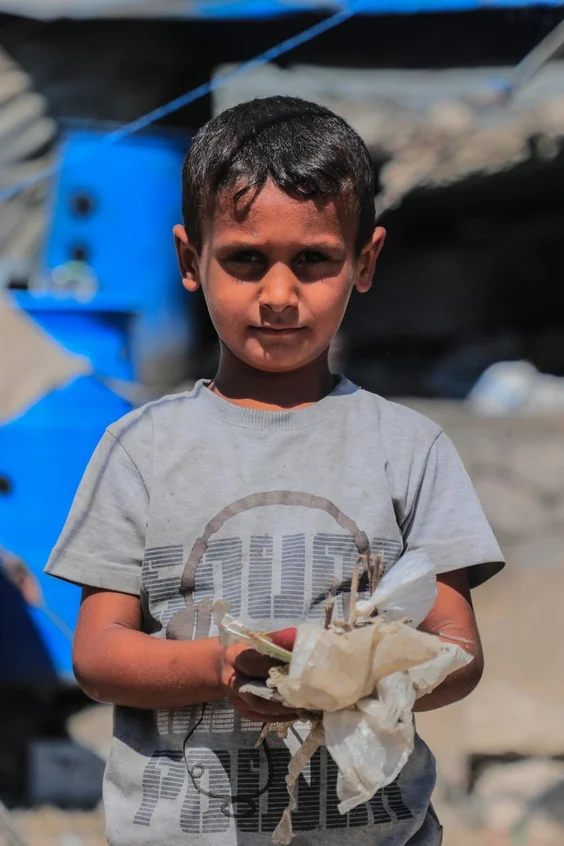
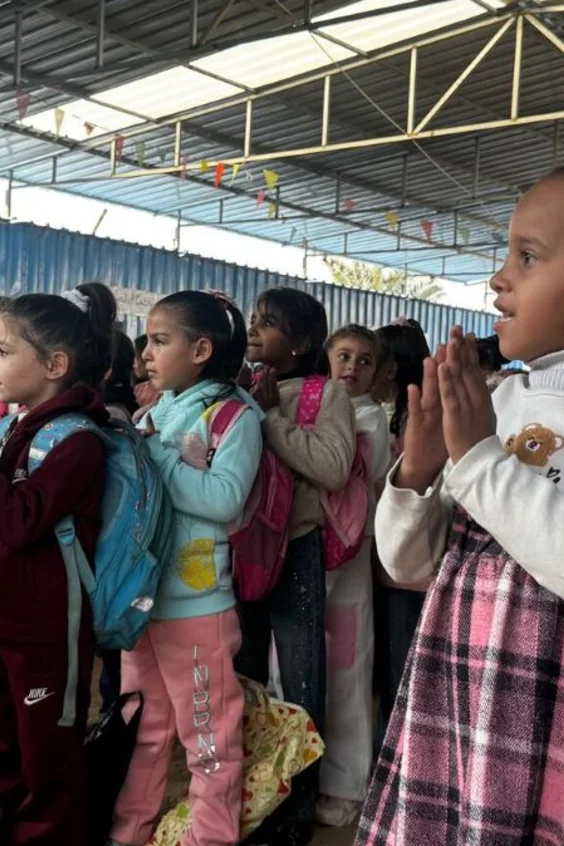
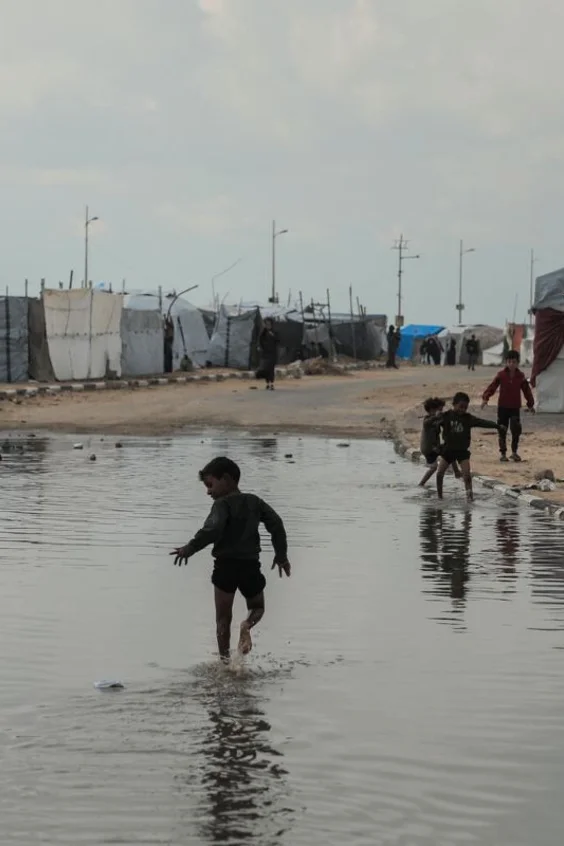
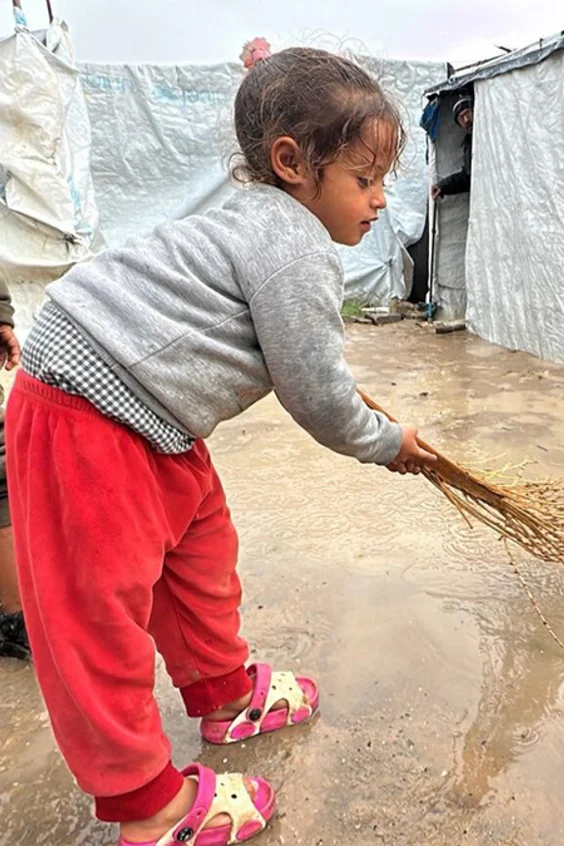
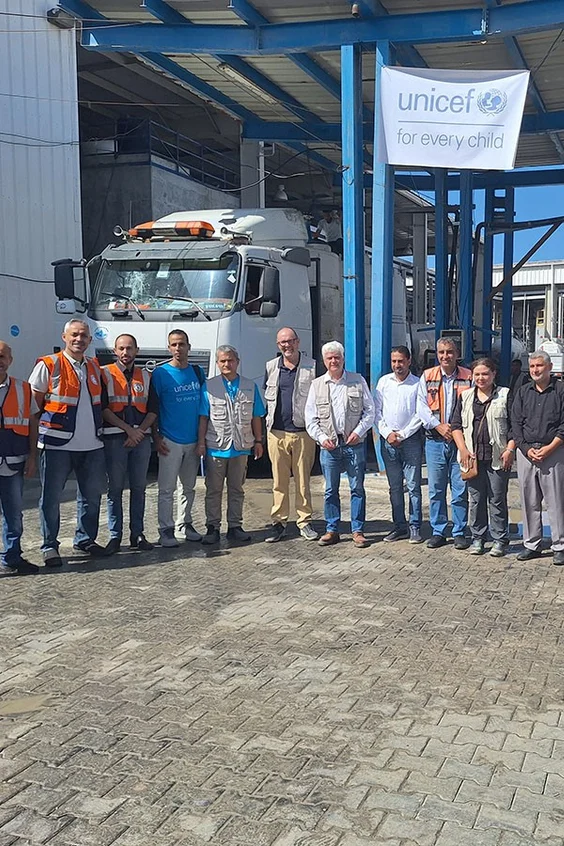
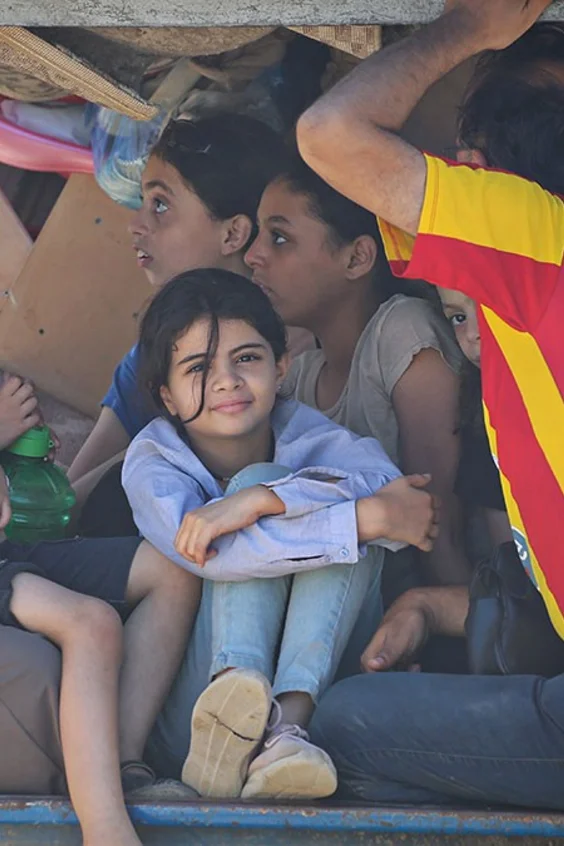
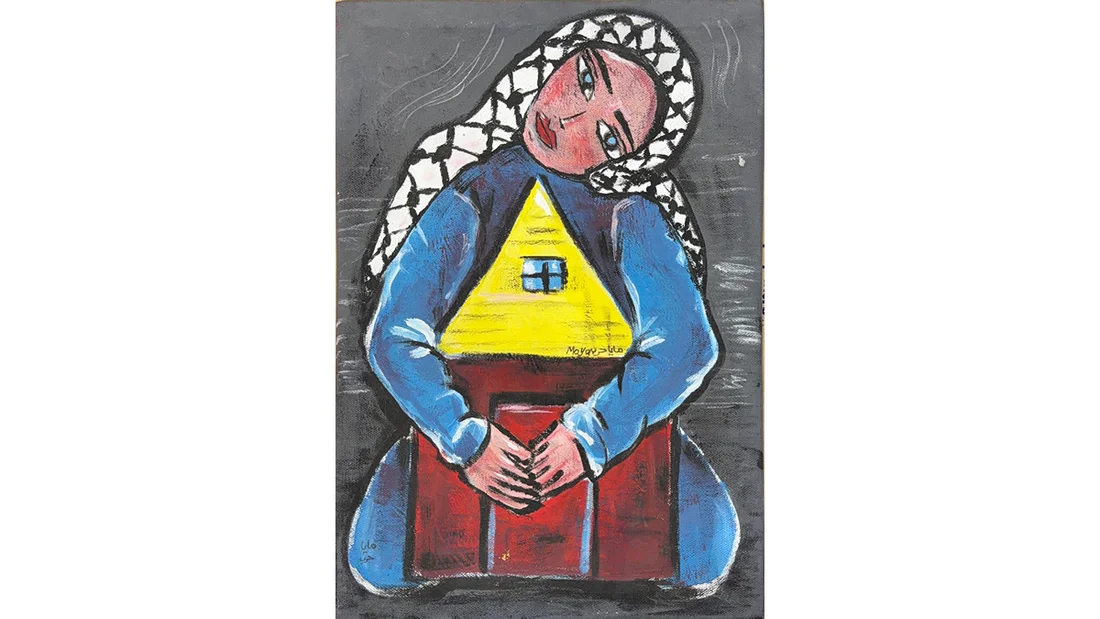
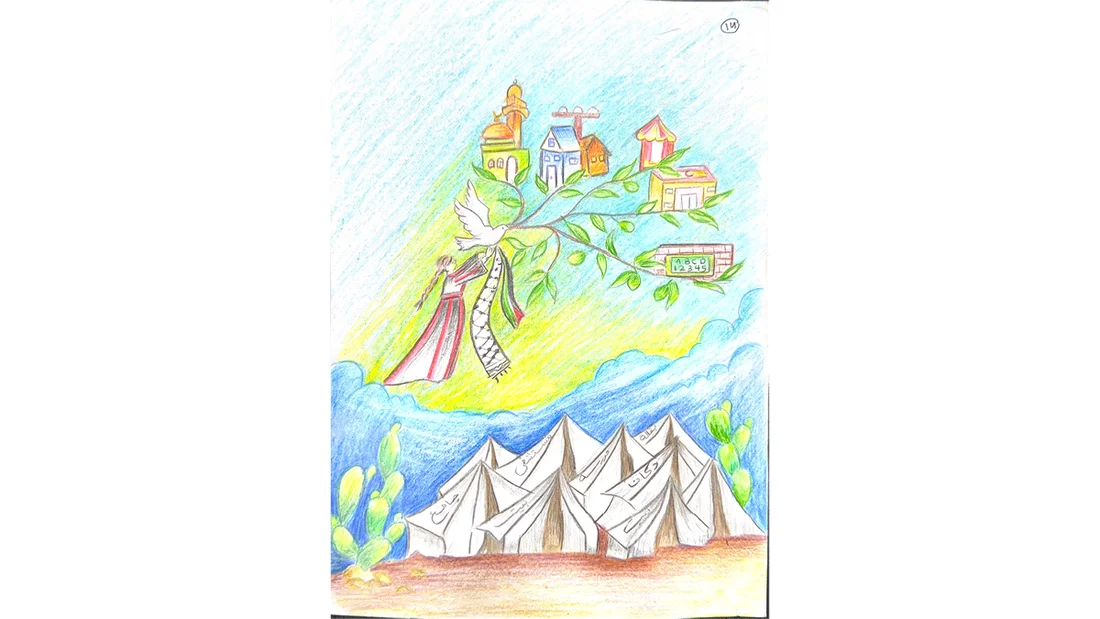
For two years, the daily lives of the children in Gaza were overshadowed by bombs, displacement and fear. As part of the UNICEF initiative “The Gaza We Want,” 11,000 children painted pictures and wrote poems to demonstrate their vision for Gaza in the future. While surprising, the paintings also express hope.
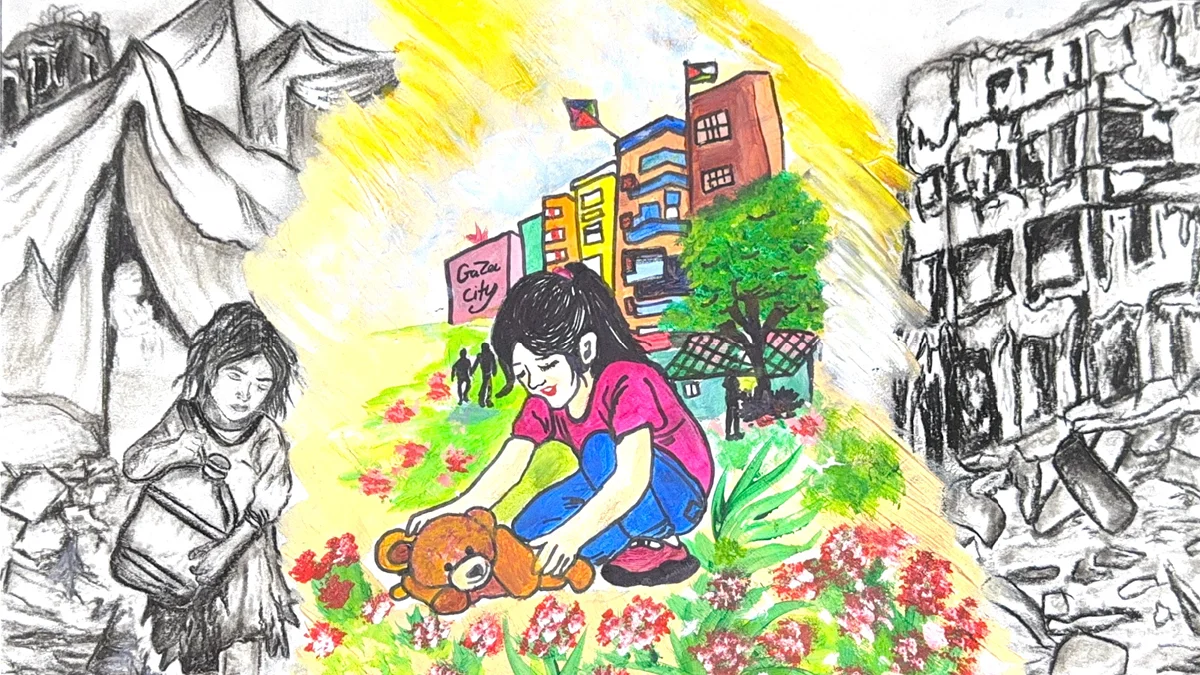
“The Gaza I want,” starts the poem by 13-year-old Malak from Khan Younis, “is not a tent pressed against the wind. [...] I want to write school assignments, not the names of the deceased. Counting stars in the sky, not airplanes. Baking bread with the scent of thyme, not smoke. The Gaza I want is alive.”
Two years of war have wreaked havoc on Gaza: Eighty percent of houses, schools, playgrounds and hospitals lie in ruins. Nine out of ten children were driven from their homes, most of them more than once. They lost their parents, siblings and friends. More than 90 percent of children suffer from trauma and constant fear. Their present is in tatters. What does this mean for their future?
Green meadows and bustling parks instead of ruins
A ceasefire has been officially in effect since October 2025. Gaza is slowly being rebuilt. With “The Gaza We Want” initiative, UNICEF has given a voice to children and young people from all five governorates of Gaza, letting them play an active role in the discussions regarding the rebuilding and the future of Gaza. A total of 1,603 children took part in a comprehensive survey led by trauma-sensitive professionals. Over 11,000 other children between the ages of 5 and 18 expressed their wishes in paintings, poems and playdough models.
The paintings are surprising: despite the widespread destruction and their traumatic experiences, the children did not depict ruins, but rather green meadows, blossoming trees, the blue sea, colorful houses and bustling parks. Despite everything that happened to them, they still imagine a future in Gaza.
I wish our neighborhood could be full of trees and schools, not destruction.
Behind their creative visions are powerful emotions, including profound loss, alongside a clear and consistent desire for dignity, a sense of normality, and hope for the future.
“Gaza as it was, but better”
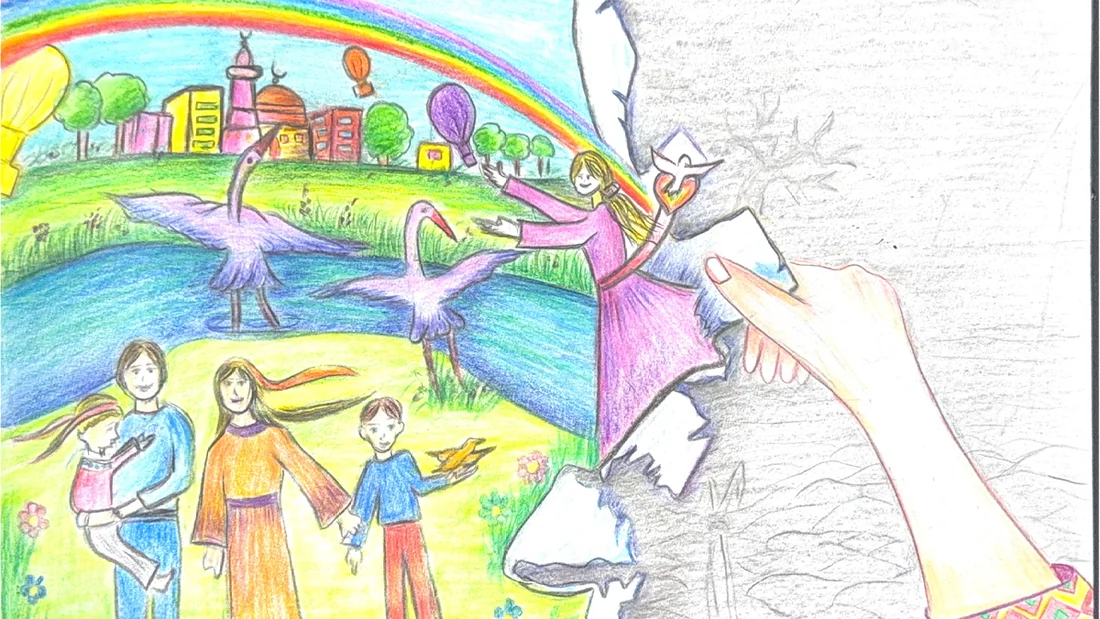
The children want not only the infrastructure to be restored, but also their childhood. Their top priorities are:
- Residential space (97.3%)
- Education (94.2%)
- Security (91.8%)
- Healthcare (91.8%)
In particular they plead for safety and stability, with no tents and temporary solutions, such as those they have experienced more than once through displacement.
They ask for schools, hospitals with enough doctors and medication, clean parks, playgrounds and beaches. And above all: that they will be safe everywhere, without having to live in constant fear of falling bombs. They envision their neighborhoods as living tapestries where families come together and people sit safely in the sun.
Art helps to process traumatic experiences
Creativity is more than just a pastime; it’s a crucial part of healing. Painting helps children bring invisible wounds to the surface and process traumatic experiences. By creating colorful pictures, children find new hope and a positive outlook for the future.
Children show an extraordinary ability to transform pain into creative visions, to imagine rebuilding from the ashes, and to picture a future that honors their right to childhood, education and a dignified life.
Children have the right to education, health, and protection from violence, and the right to play and recover from trauma. These rights are obligatory rather than optional. Decisions taken during the rebuilding process will continue to shape the children’s future for many decades to come. Involving them in this process means safeguarding their rights. Gaza’s reconstruction isn’t just about rebuilding infrastructure; it’s about restoring childhood itself, supporting the healing process and upholding every child’s right to grow up in safety, dignity and lasting peace.
The initiative “The Gaza We Want” was launched to hear the children’s visions for the future of Gaza. In a time when recovery and reconstruction are the subject of active debate, UNICEF is convinced that children’s voices must be heard and given due consideration.
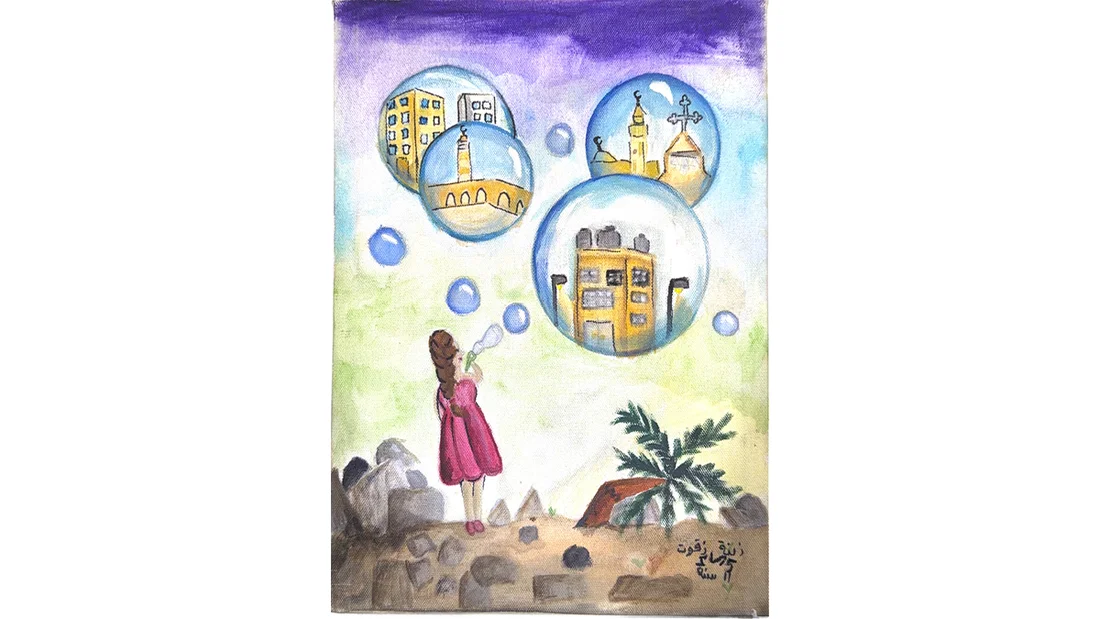
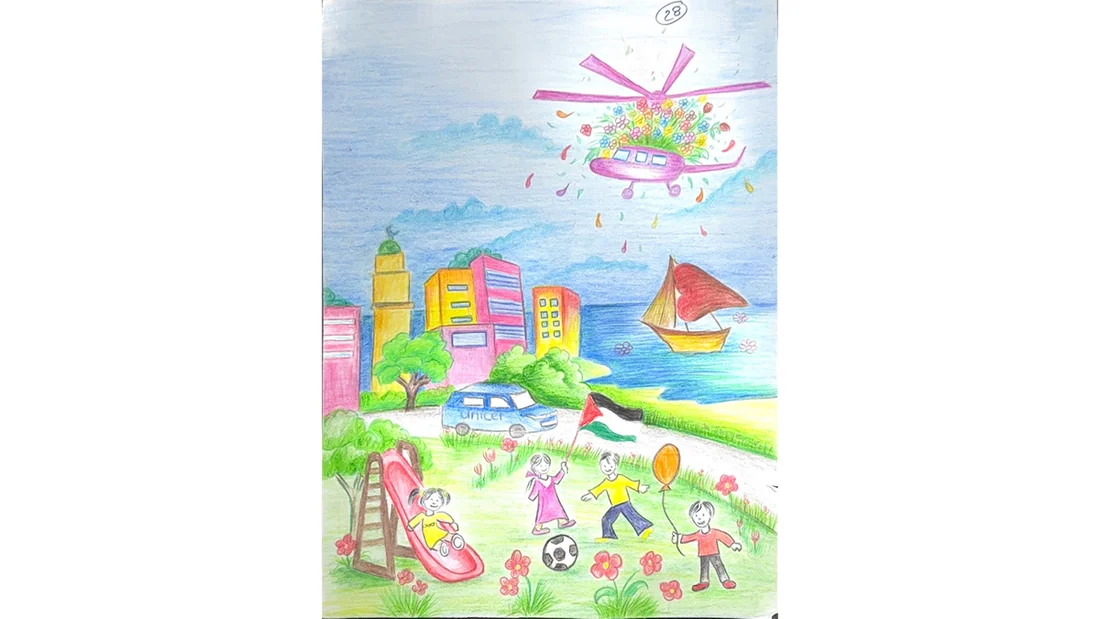
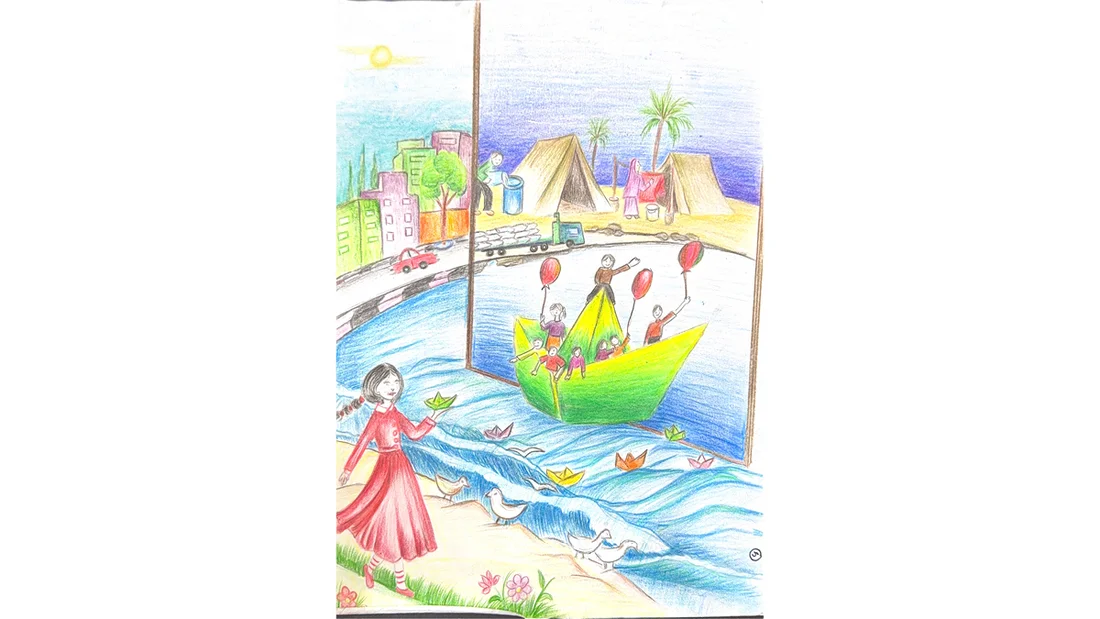
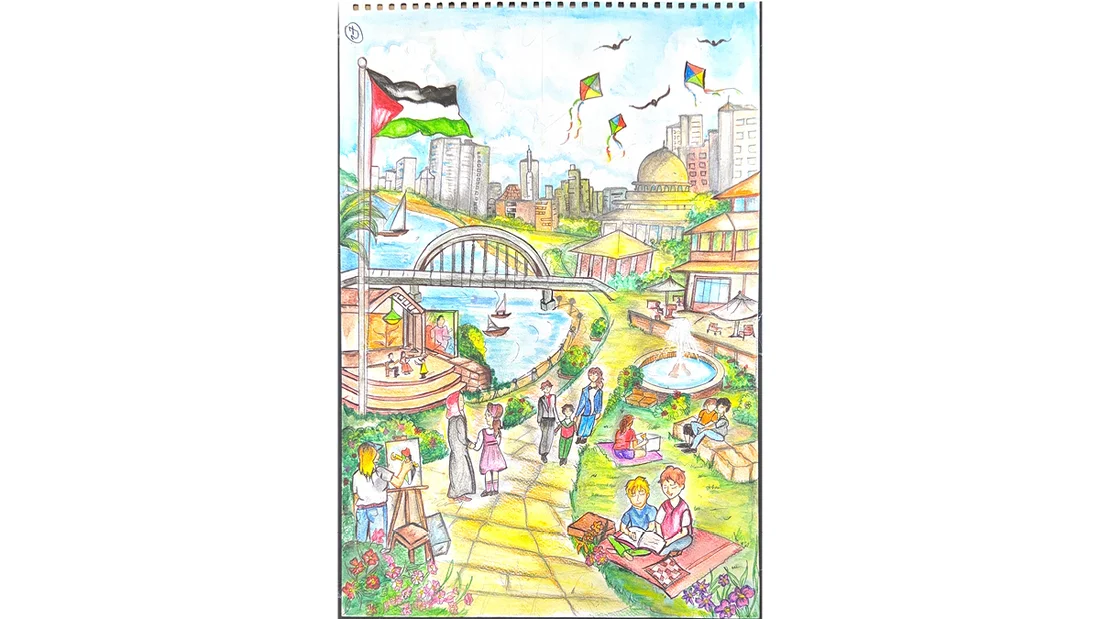
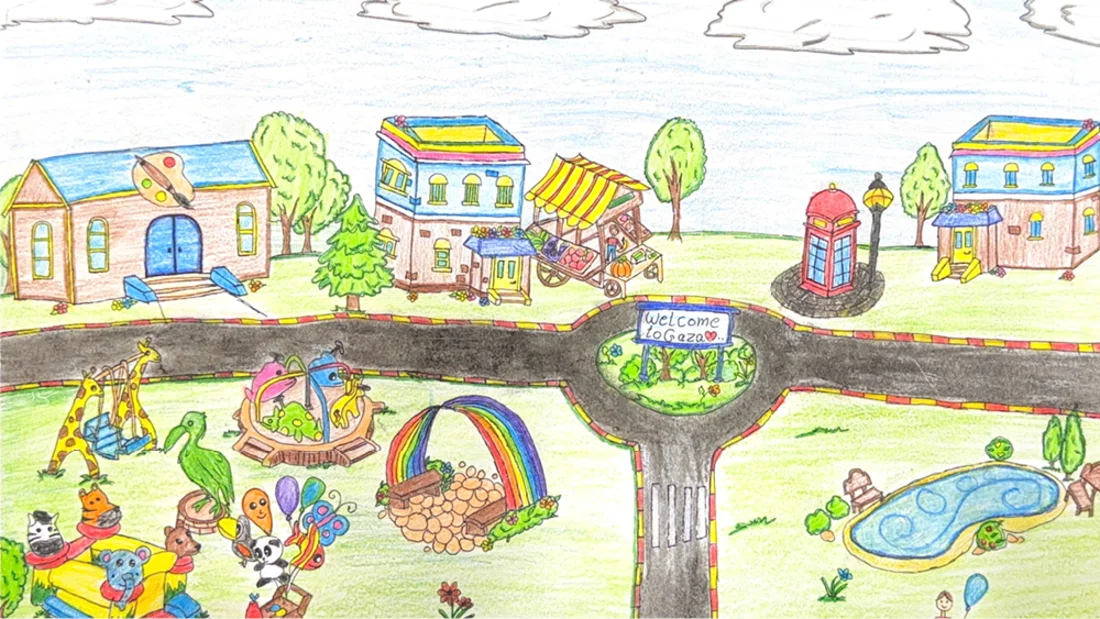
“I dream of playing with my friends in a park. Without fear.” Amal, 9 years old