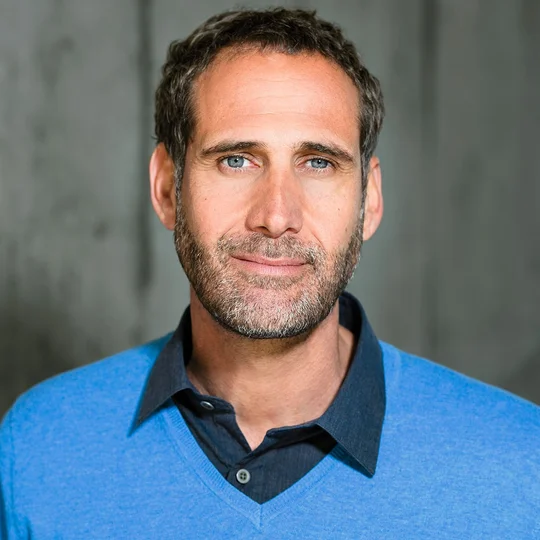
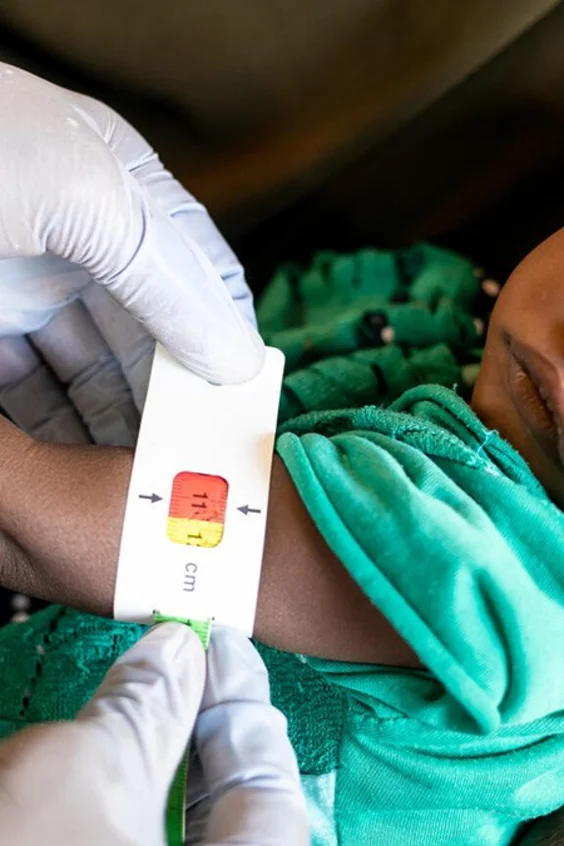
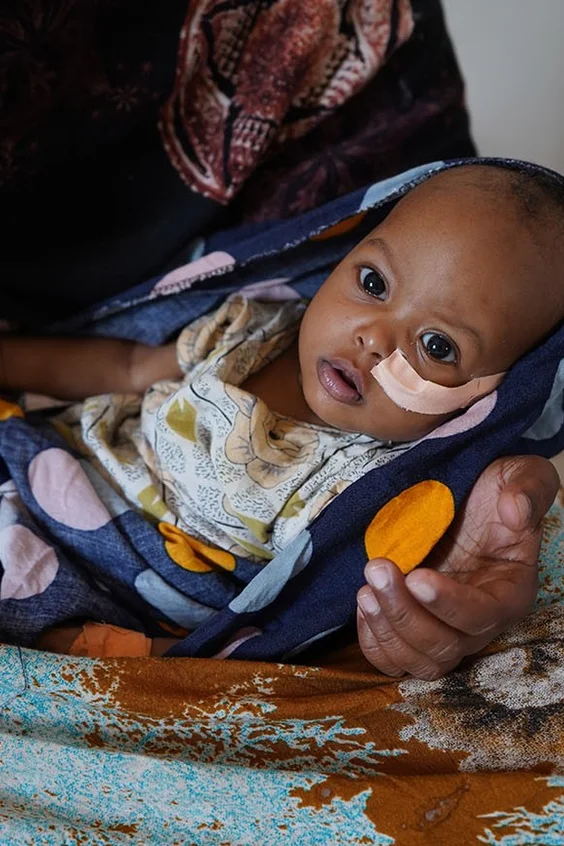
UNICEF Ambassador Kurt Aeschbacher and Executive Director Bettina Junker have returned from a multi-day visit to Somalia. The crisis in the country continues to worsen. Due to funding shortages, aid organisations are reaching fewer and fewer children in time.
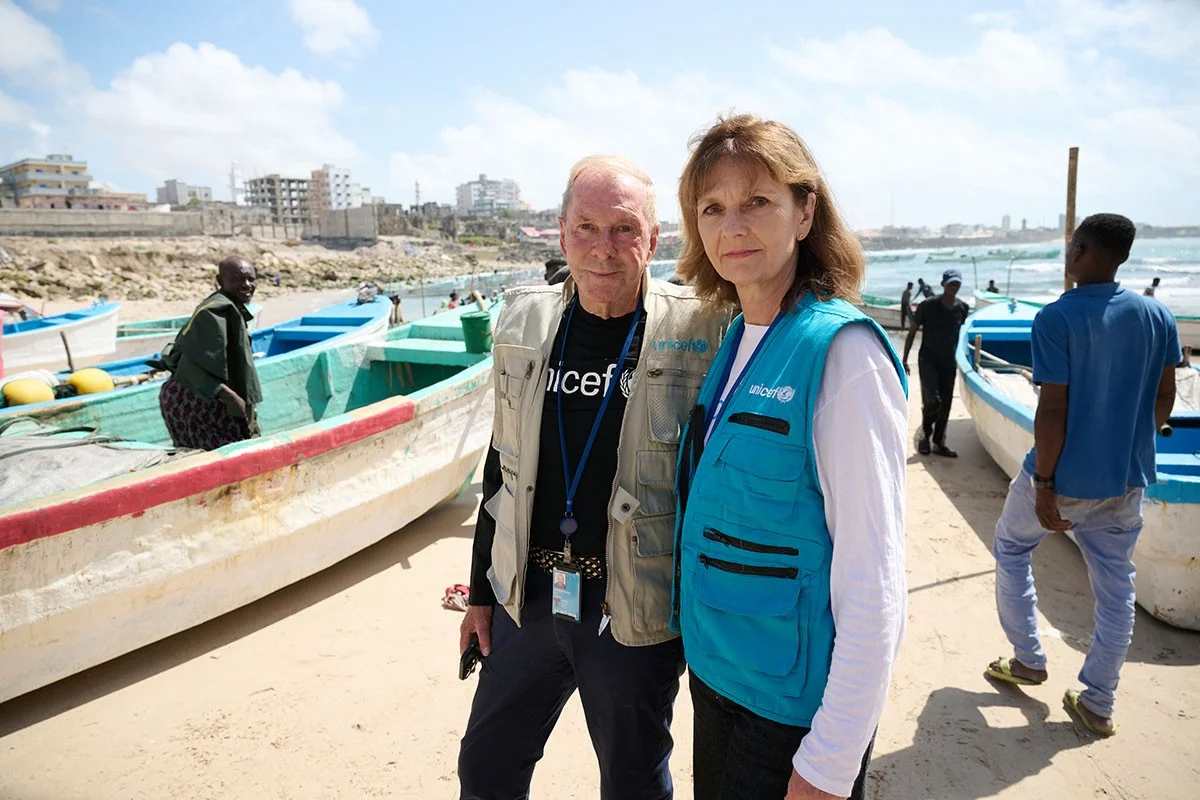
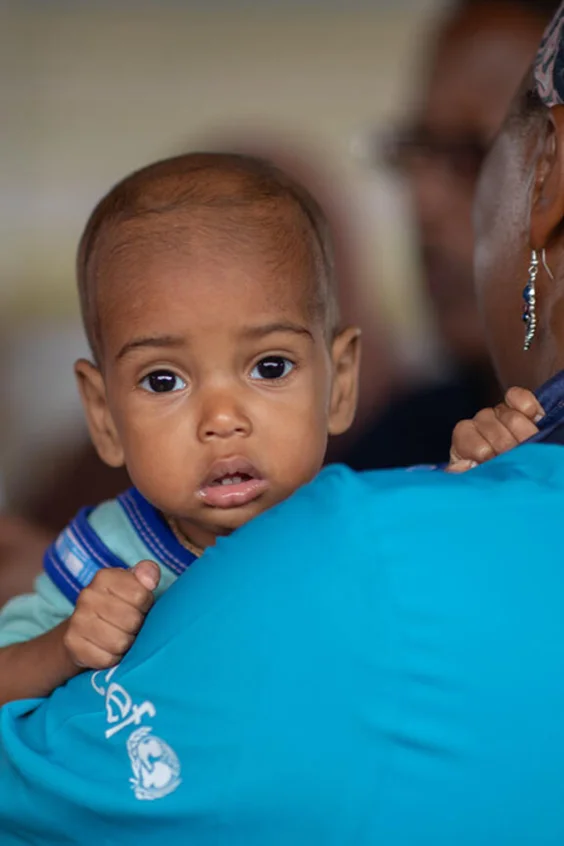
«The situation is serious. Many families have lost their livelihoods due to drought, displacement and conflict, and have almost no reserves left. What struck me most was seeing how many children are already severely malnourished», says Bettina Junker, Executive Director of UNICEF Switzerland and Liechtenstein.
During their trip, Kurt Aeschbacher and Bettina Junker visited a settlement for internally displaced people, a hospital treating severely malnourished children, a school and a centre supporting children who had been recruited by armed groups.
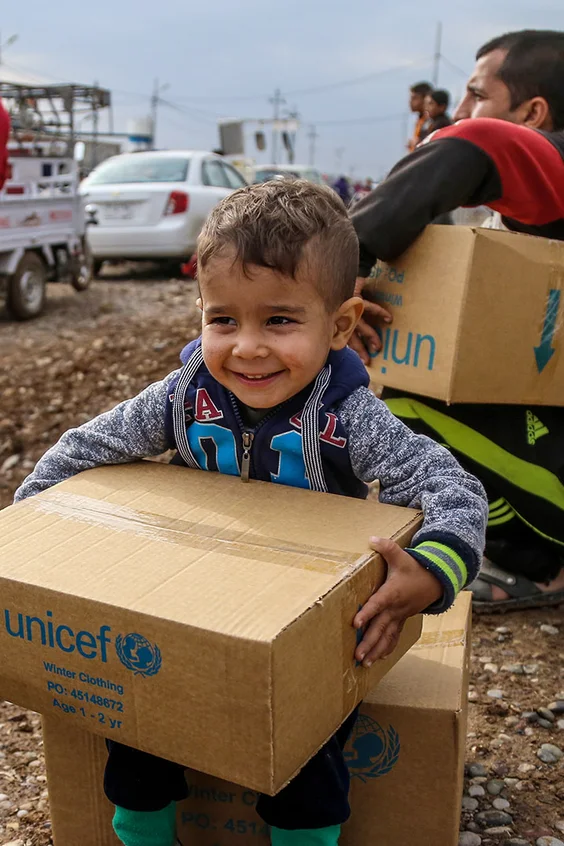
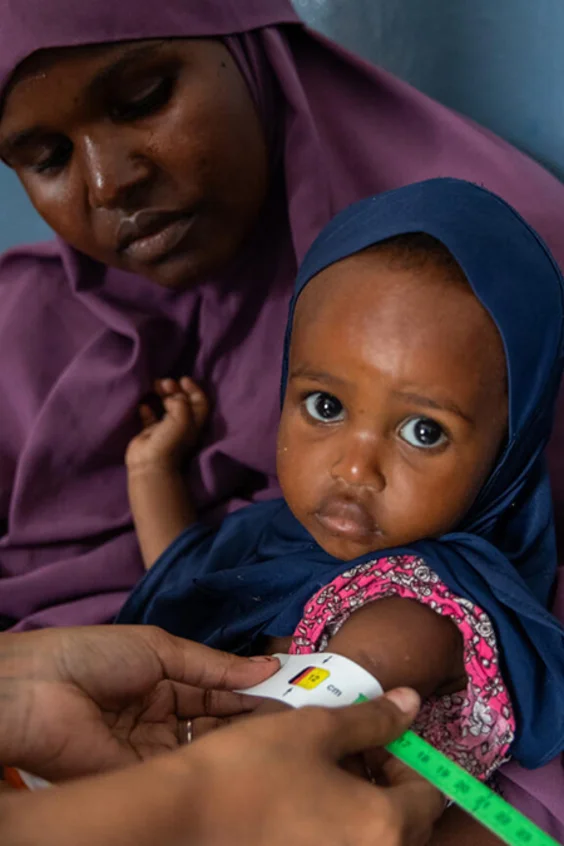
In the coming months, around 5.4 million people in Somalia will face crisis levels of food insecurity or worse. Nearly two million children under the age of five are expected to need treatment for acute malnutrition over the next year, including around 433 000 for severe acute malnutrition, the most dangerous form. More than three million people are also internally displaced within their own country. Many have been forced to leave their homes due to drought, flooding or armed conflict and are among the most vulnerable population groups in Somalia.
Multiple crises compounding one another
Somalia is still suffering the effects of a severe drought. A lack of rainfall and prolonged dry spells have severely affected water sources, livestock and the livelihoods of many families. At the same time, the rainy season has already begun. Heavy rains and flooding linked to El Niño are expected between October and December. These could destroy crops and livestock, displace more families and make access to humanitarian aid more difficult.
Funding shortages force difficult decisions
Adding to this is the sharp decline in international humanitarian funding for Somalia. UNICEF estimates a decline of 40 to 60 per cent. Around 200 health and nutrition services have already had to close. As a result, aid organisations must increasingly concentrate their limited resources on children whose lives are in immediate danger.
Funding gaps are having a particularly serious impact on prevention. As preventive services are being discontinued, health workers are sometimes only able to detect malnutrition in children at a later stage. As a result, more children arrive for treatment with severe medical complications. Severe acute malnutrition is treatable. With appropriate treatment, the recovery rate is over 90 per cent.
«This is a vicious circle that we could break», says Bettina Junker. «The earlier we reach a malnourished child, the better we can prevent their condition from becoming life-threatening. When preventive services disappear, we often only reach children once they are already severely ill.»
UNICEF is therefore calling for life-saving nutrition, health and water services to be maintained and for prevention to be strengthened again. Relief supplies must also reach at-risk areas in time, before flooding renders key transport routes impassable.