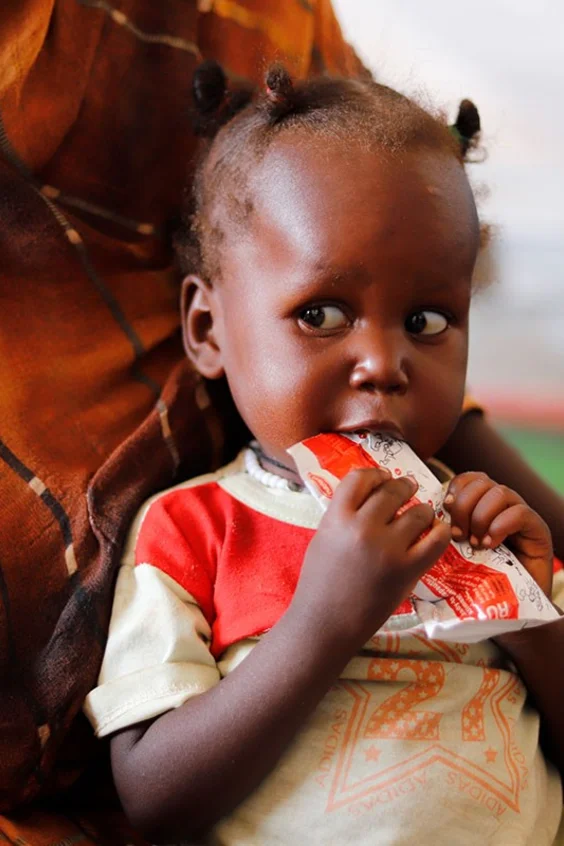
During my travels to the refugee camps in Chad I meet with children and families who have fled the violence in Sudan, trying to find answers to a question that has bothered me for many years: what does war do to children? My encounters in Chad keep preying on my mind.
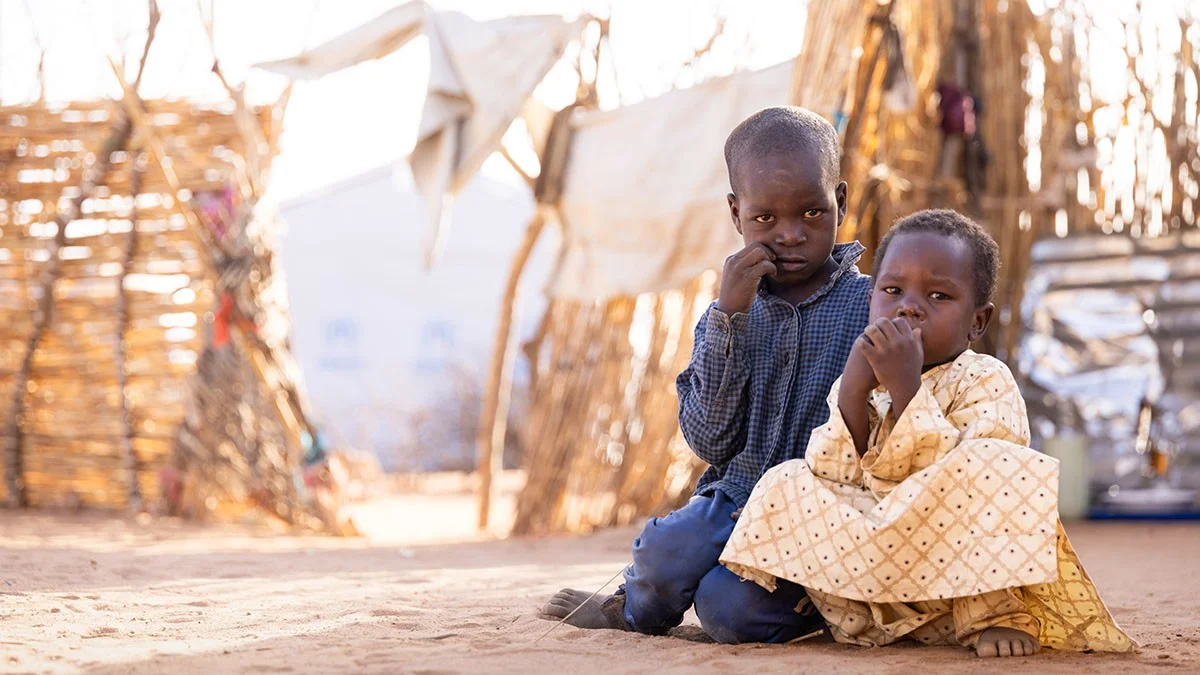
As a former journalist, I’ve often been confronted by war and its consequences. But I’ve never before traveled to a conflict region myself. When UNICEF asked me to go on the Star Weeks trip to the refugee camps in Chad, I didn’t have to think twice. I immediately understood that I have to seize this opportunity if I wish to find answers.
Our trip started at the end of the dry season. Although temperatures can rise above 45 degrees Celsius this time of the year, it is the best traveling time for us. When the rains come, the dried-up river beds are flooded and it becomes almost impossible to travel.
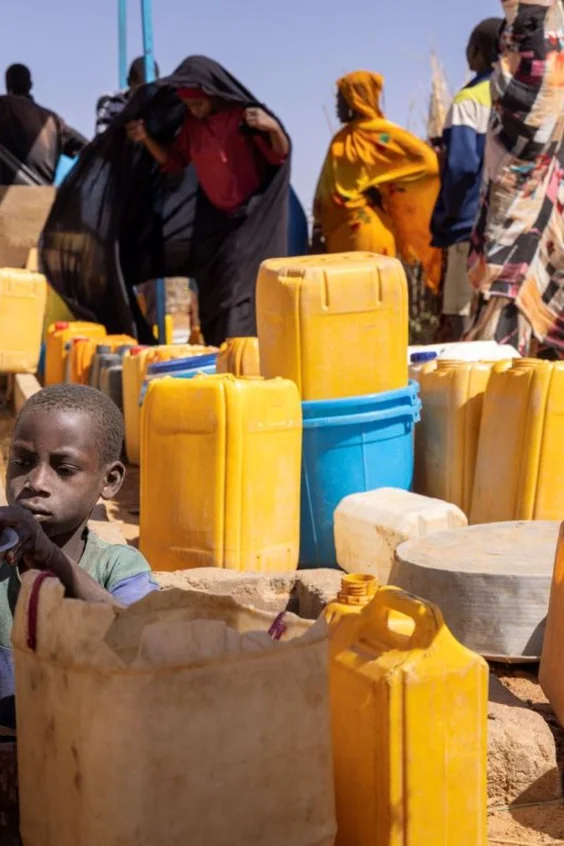
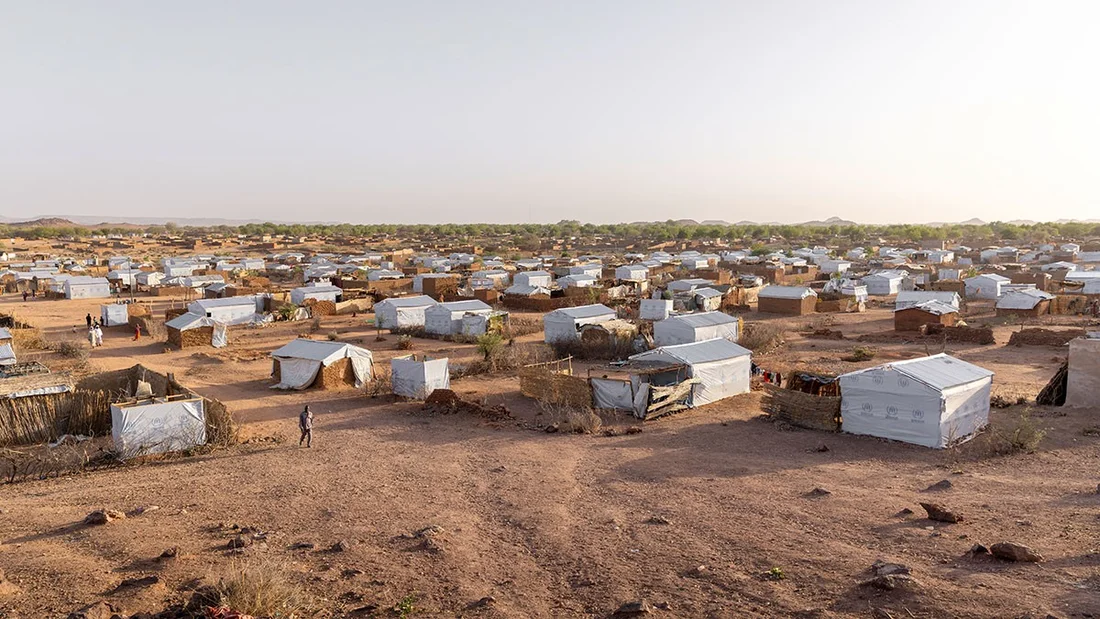
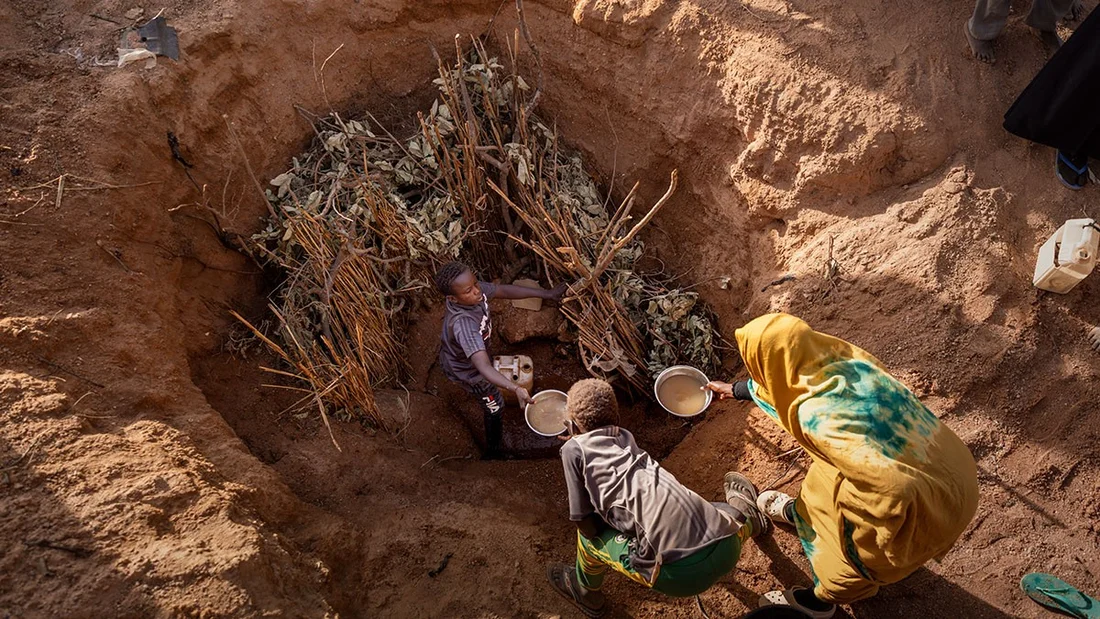
After a short stay in N’Djamena, the capital of Chad, we reach our first destination: Farchana, while officially a city, seems more like a widely scattered village. Upon leaving the vehicle we’re hit by the dry heat, and everything’s covered in a fine layer of dust. There are only a few houses built from stone; the streets are little more than dusty trails where donkeys and chickens roam and people sell mangoes and firewood. It’s really a town of manageable size, but in addition to the native population, it now also houses an additional almost 52,000 Sudanese refugees. Around 60 percent of them have been here since the Darfur crisis in 2003. They have long since built a new life and live in stone houses, but the around 20,000 new arrivals are still living in tents and straw huts.
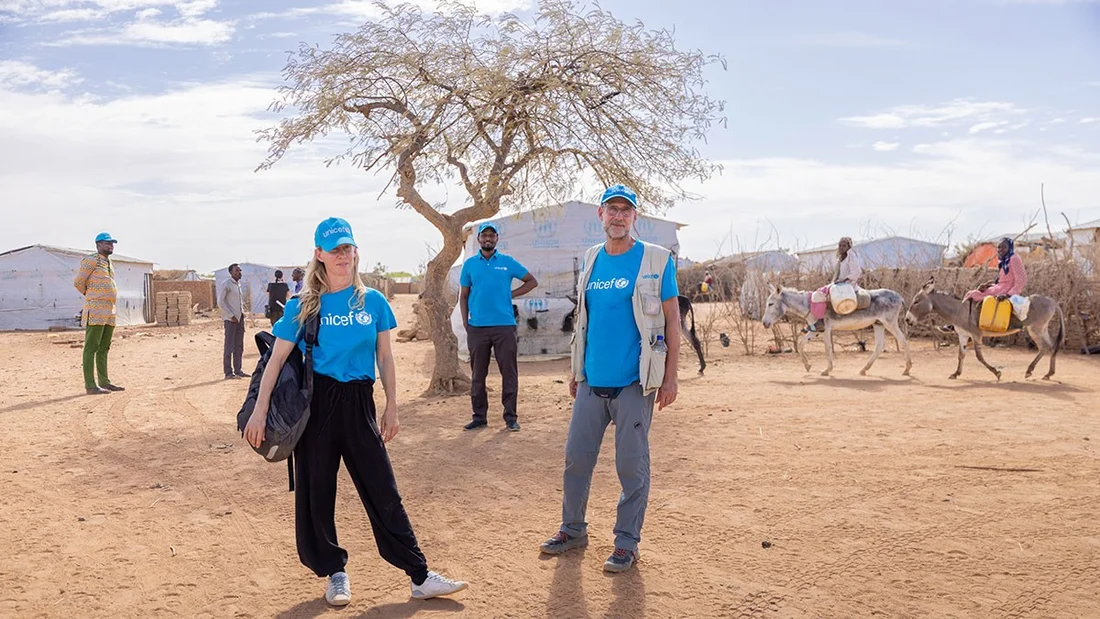
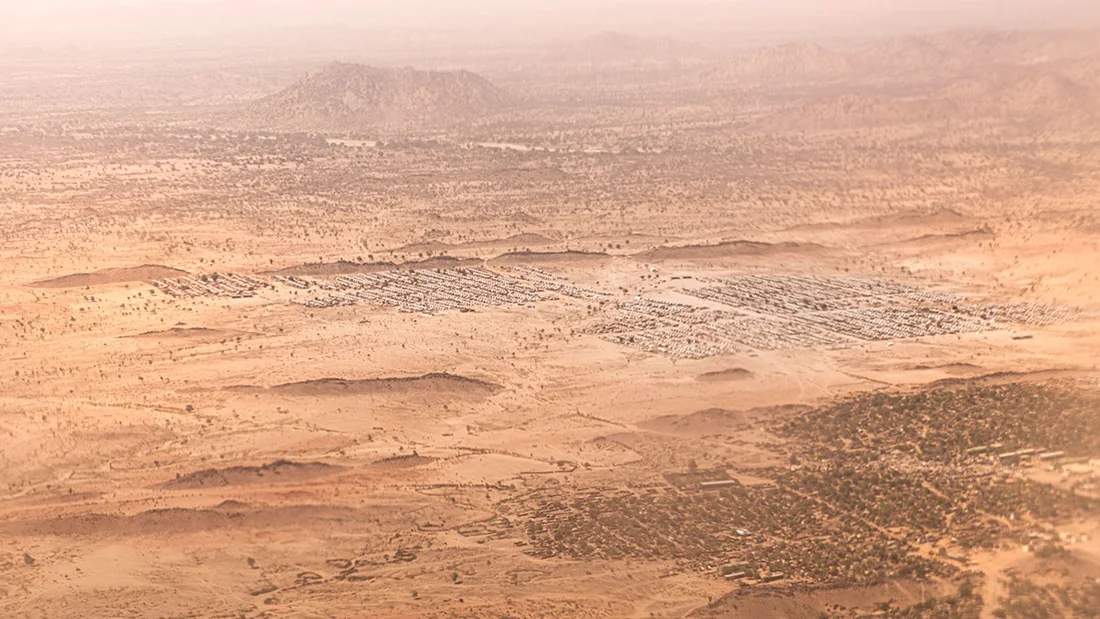
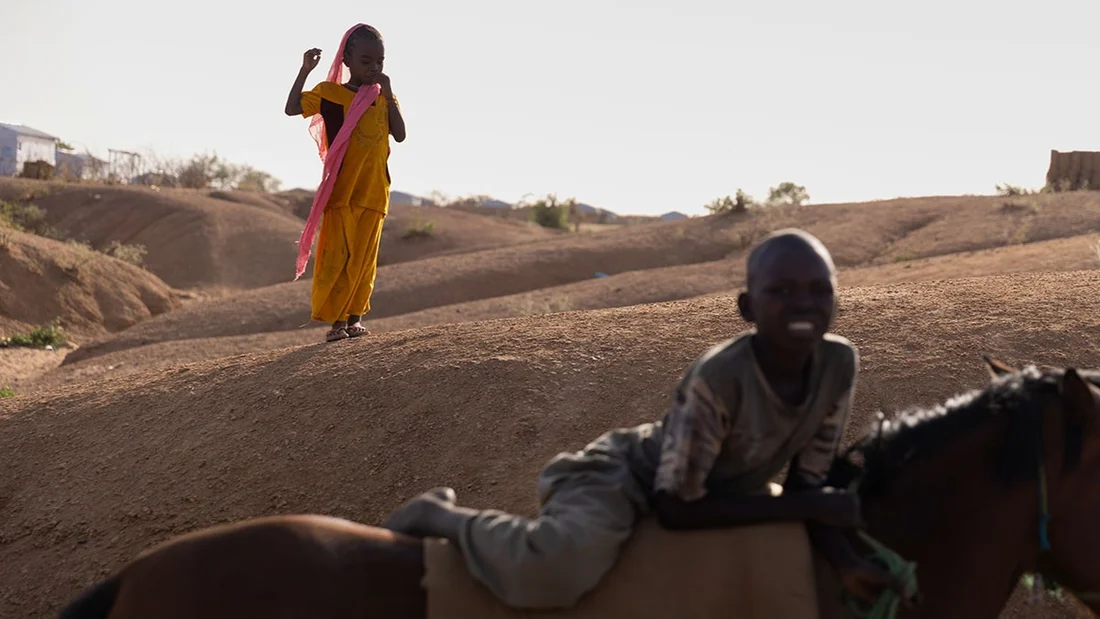
One of them is Mousab. The 11-year-old has been living with his parents and six siblings in the camp for the past two years. Two years of safety, far from the war. Which makes his statement all the more pensive and sad:
I often still dream of the war at night. I see then how people are being killed. Being shot. I hear them in my dreams. That’s why I don’t really want to sleep.
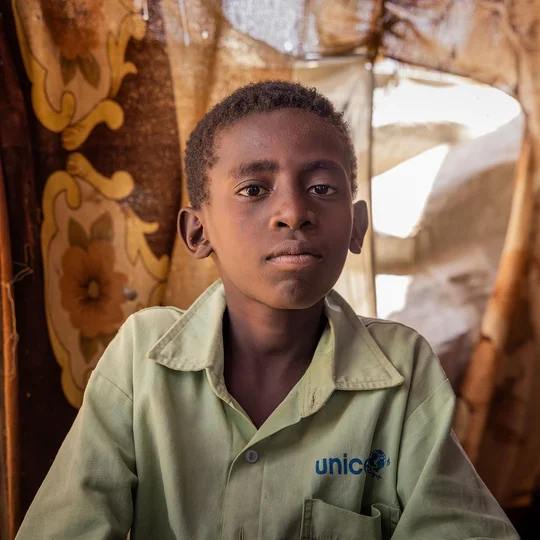
This is a first answer to my question of what war does to children. It traumatizes them. Lastingly. And that’s why the work done by UNICEF is so important. Children like Mousab get psychosocial support in refugee camps. There, structured activities are offered to children and young people in what is termed “child-friendly spaces.” Thanks to conversation, games and sports activities, they can forget their worries for a few hours and play, sing, dance and learn with other children. In the long term this helps them to process their trauma and teaches them to regulate their emotions and build up relationships.
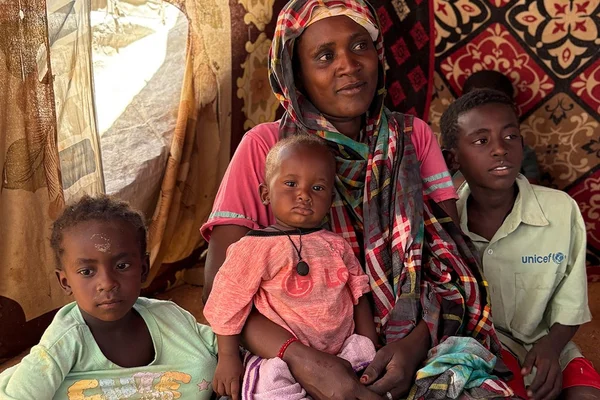
Mousab (right) with his mother and two siblings in his home ©UNICEF/Patricia Tomamichel
Mousab, his parents and six siblings have been in the camp in Farchana for two years. Their life in Sudan was good until the outbreak of war. They lived in a big house, always had enough food to eat, there was a TV and he liked playing football outside with his friends. Until everything came to an abrupt end in May 2023. Driven from their home, they had to watch it being burned down and their neighbors being killed in front of their eyes. While fleeing they experienced horrible things about which neither Mousab nor his mother can speak.
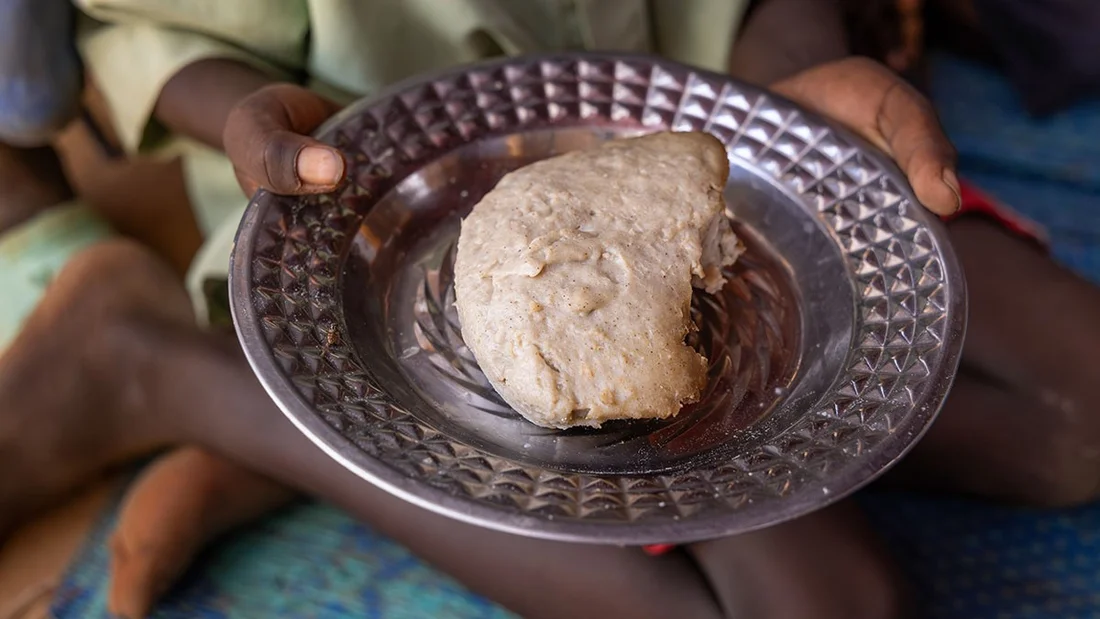
Although Mousab and his family are happy that they’re safe, their new life is anything but easy. They’re lacking in every respect: clothes, shoes, sleeping mats – but in particular food. Although the family gets a small amount of money, it doesn’t go far. Hardly anything grows in these extremely arid conditions, food is scarce and therefore expensive – and as so many people live in the camp and the financial resources are limited, the amount available per person is always shrinking. On good days the money is enough for two meals. But mostly only for one. And this consists of some type of bread and a rather watery soup made from okra and cabbage.
But in spite of the difficult new life, under no circumstances does Mousab want to return to Sudan. “The war is awful. We’ve lost too many loved ones. The things that happened there will live in our heads forever: the killings and the beatings. We can’t go back to the place where all of this happened,” says the 11-year-old.
I’m just as deeply affected by the story of Mohammad, who I also meet in the refugee camp in Farchana. The twelve-year-old had to hastily leave his homeland in summer a year ago and lost everything: his familiar everyday life, his friends, his personal possessions, his safety. I only realize how dramatic his escape actually was towards the end of our conversation. When I mention his hands, he says: “Our house was set alight in the middle of the night. Two of my brothers died and I escaped with these burns. We fled with nothing but the clothes on our backs. I don’t remember much about the escape, as I was very sick from the burns.”
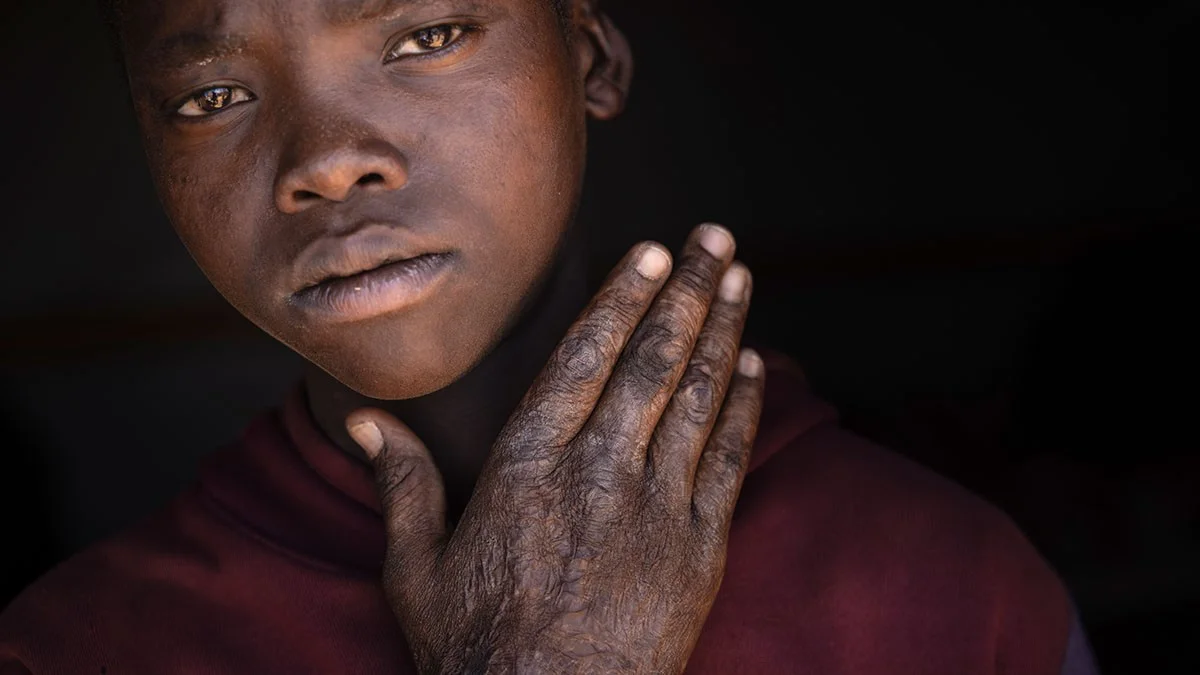
Mohammad’s story makes it clear that war leaves many children not only with deep emotional scars, but also with physical scars that will be with them throughout their lives. We keep on seeing children with amputated limbs, bullet hole scars, badly healed breaks or burns.
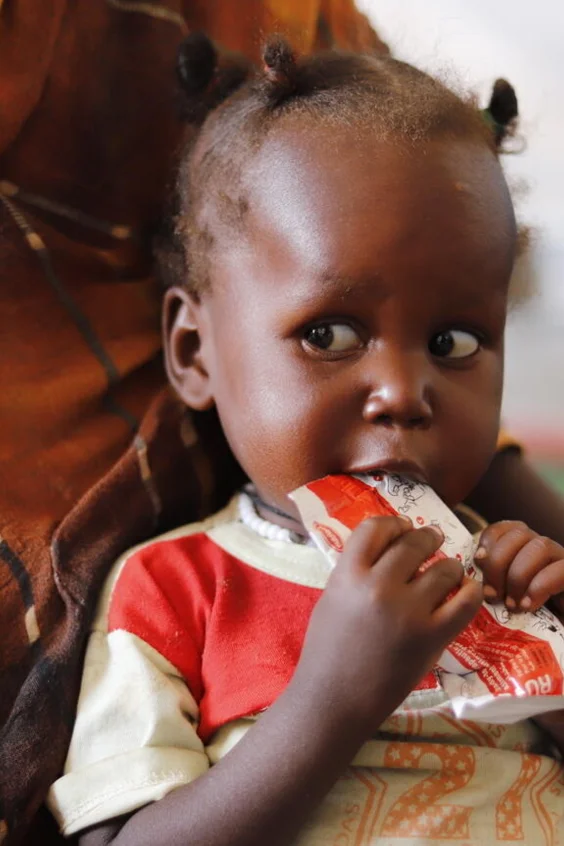
Here too the work done by organizations such as UNICEF is of immeasurable value. Thanks to donations, there are medical centers in the refugee camps where such injuries can be treated. They also provide other important services such as malnutrition treatment, vaccinations and healthcare services for mothers and their newborns.
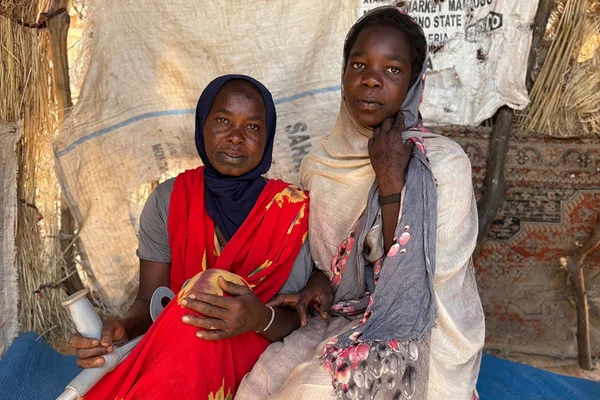
Nabal’s mother is unlikely to ever again be able to walk without pain. But the joy of being reunited with her daughter makes her forget the pain. ©UNICEF/Patricia Tomamichel
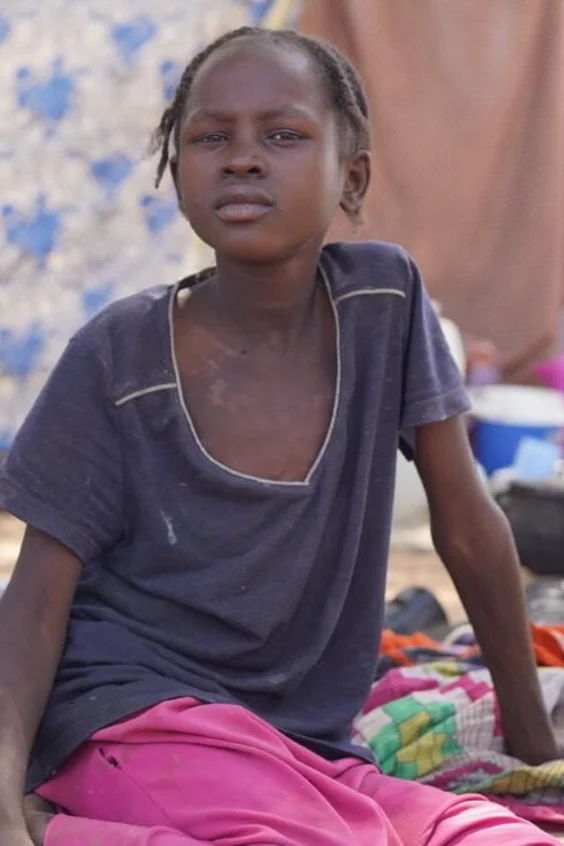
Thanks to her courage and will to live, sixteen-year-old Nabal is an inspiration. When we meet her she comes across as shy, reserved and very gentle. She’s wearing a white wrap with a fine pattern of pink, gray and blue circles that also covers her hair. She arrived in the camp in Farchana just a short time ago. She had to flee on foot for three days without her family. Her brothers were killed when rebels attacked their house. Her mother was shot and was too injured to flee on foot. Nabal had to watch her loved ones being beaten and raped. But she still managed to get to safety. Today she is reunited with her mother. And she’s very certain that she wants to return to her homeland one day. Then she wants to become a pilot and discover the world.
Our trip takes us further to Adré on the border with Sudan. At the peak of the crisis, hundreds of refugees flocked to the makeshift camp every day. Around 240,000 people have been registered in the transit camp to date. This was supposed to be a temporary stop before they could be sent on to one of the official camps in the area. But because so many people came here, thousands are still stuck in the camp.
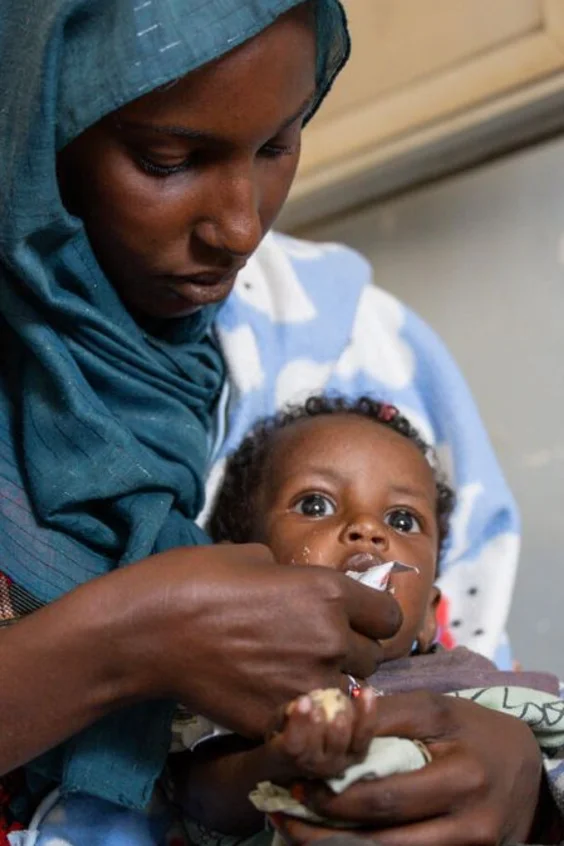
Here we meet Naglaa, 26 years old. She asks us to help her find her missing uncle. He disappeared while fleeing from Sudan and she doesn’t know if he’s still alive. She holds her two-month-old daughter Zaitoon in her arms. The baby is noticeably small. Naglaa tells me about her difficult pregnancy. She vomited constantly and lost a lot of blood during the birth. The baby still only weighed 2.5 kg two weeks after the birth. With support from the medical center, the two of them are now slowly recovering from the strain. As soon as she’s fit enough, Naglaa wants to return to Sudan with her baby. That’s where her husband is waiting for her. “I’m really grateful to Chad that we were welcomed here. But life here is difficult. There’s hardly any work and everything is very expensive. And wherever you are in the world, there’s no place like home. Home is always the most beautiful place in the world. Where you know who you are and where you belong.”
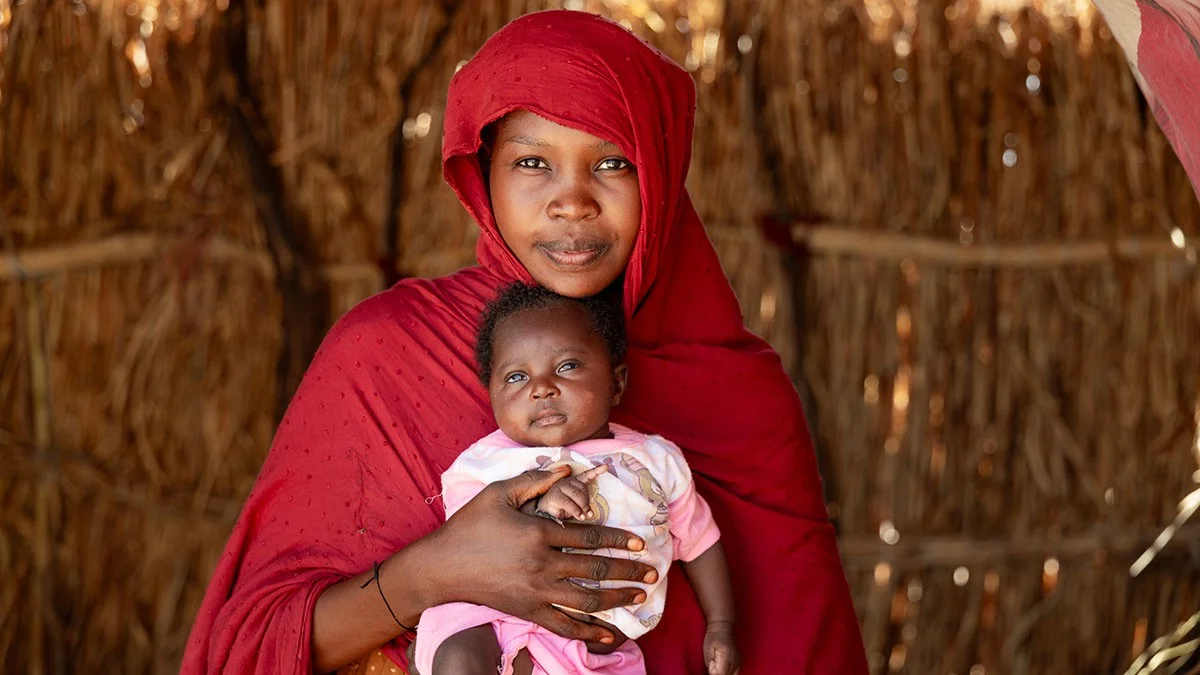
Naglaa’s story shows me the turmoil that is unleashed by war. Families are brutally torn apart. Some meet up again one day, but others have to live the rest of their lives without knowing whether their loved ones are alive or dead. And some have to watch their families being taken. This turmoil is also reflected in something else: love of the homeland. While some swear to never set foot in their homeland again because they can’t bear it, others want to go back as soon as possible. Everybody agrees: they want nothing more passionately than for peace to finally return.
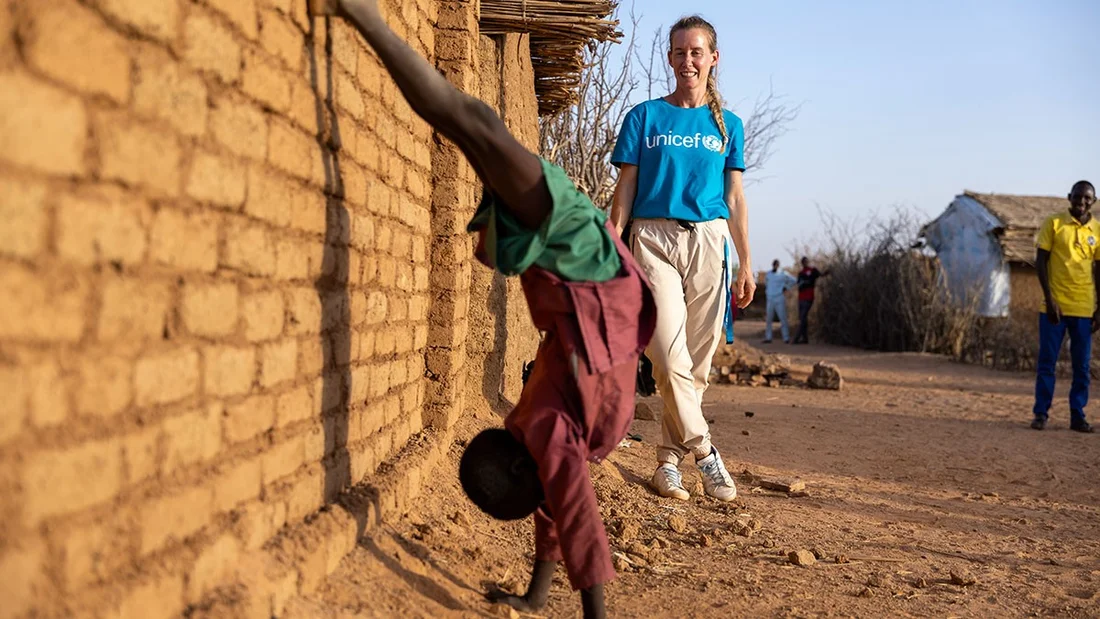
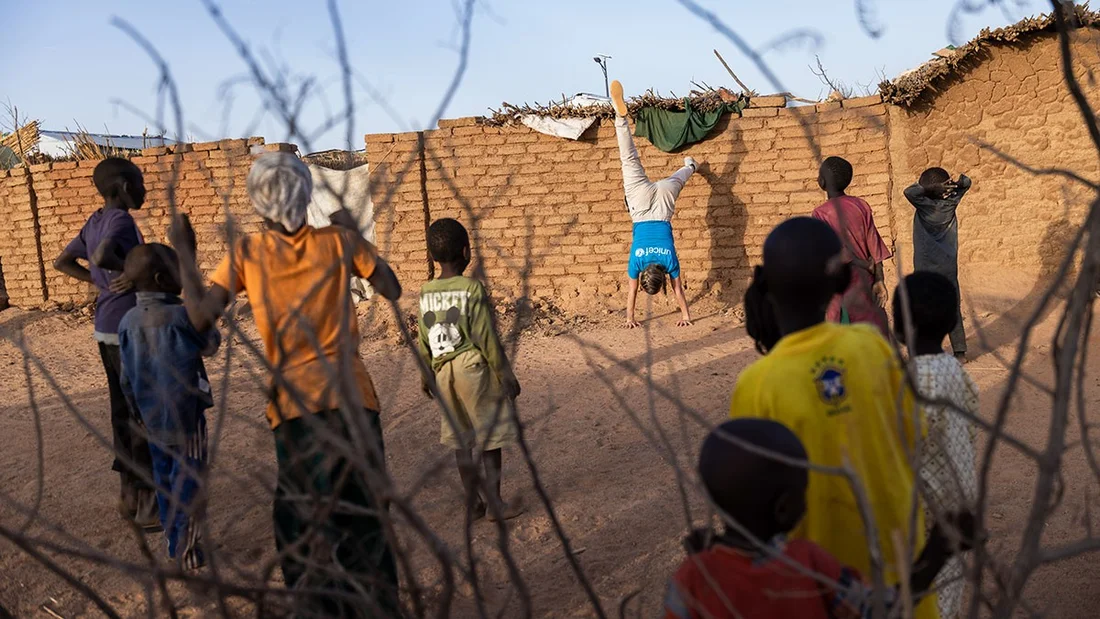
When I leave Chad, the stories of these children stay with me. War leaves scars – visible and invisible. But these girls and boys have also shown me how much strength they still have even after their unimaginable experiences. I found that very moving. At the same time I realized once again how privileged we are to live here and how important it is to look, listen and use my work to make sure that their voices are heard.