Contents of this page:
The situation
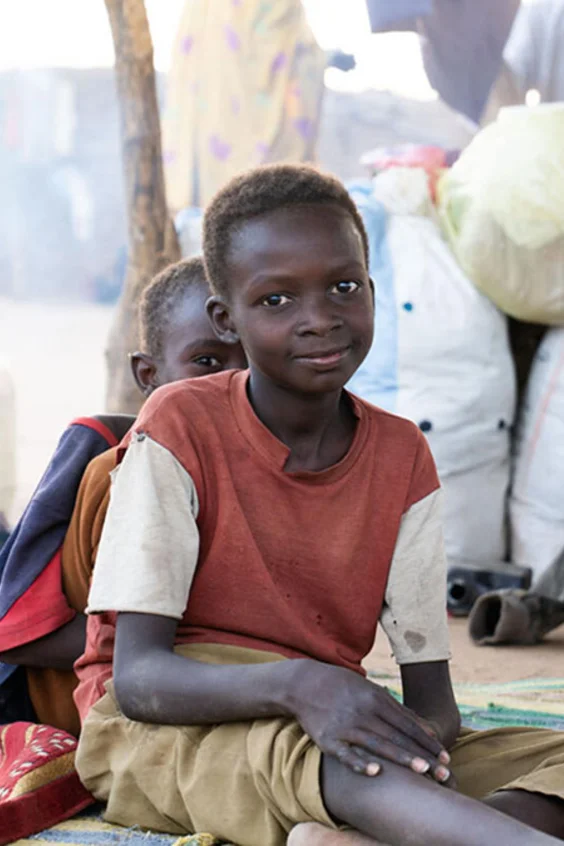
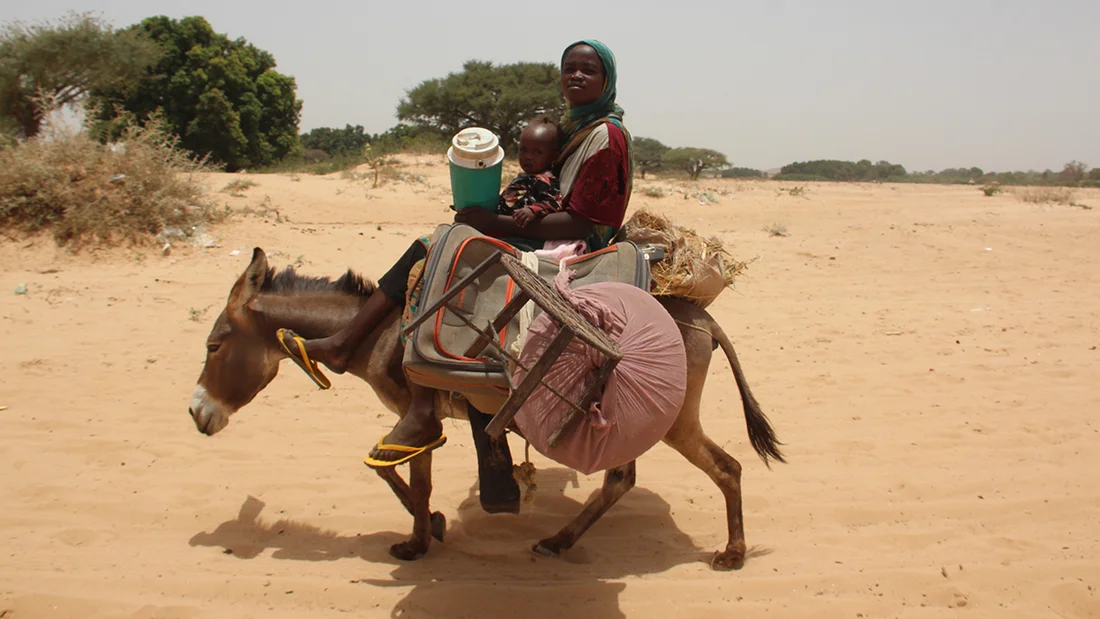
On April 15, 2023, clashes erupted between the Rapid Support Forces and the Sudanese Armed Forces in Khartoum and quickly spread to other areas. As a consequence, millions of people were forced to leave their homes and seek shelter. Many were killed or injured. Around 33.7 million people – more than half the population of Sudan – urgently need humanitarian assistance.
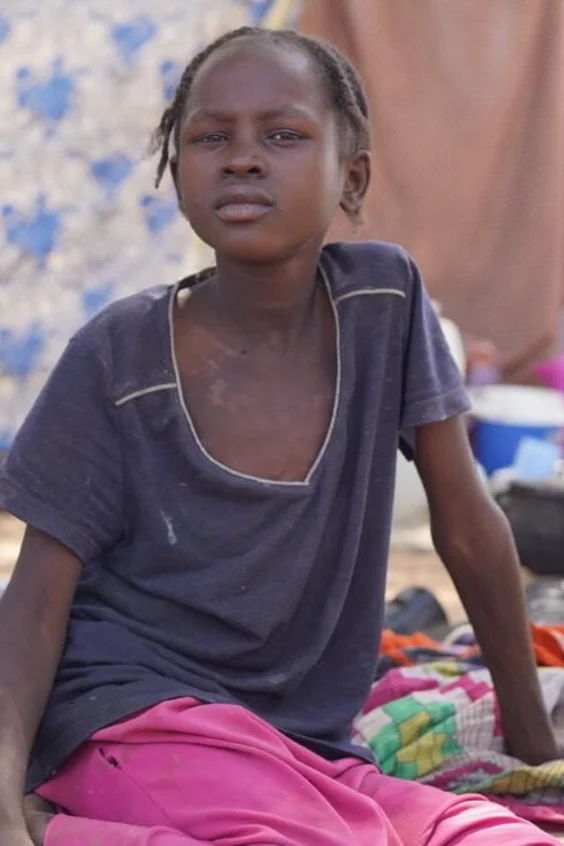
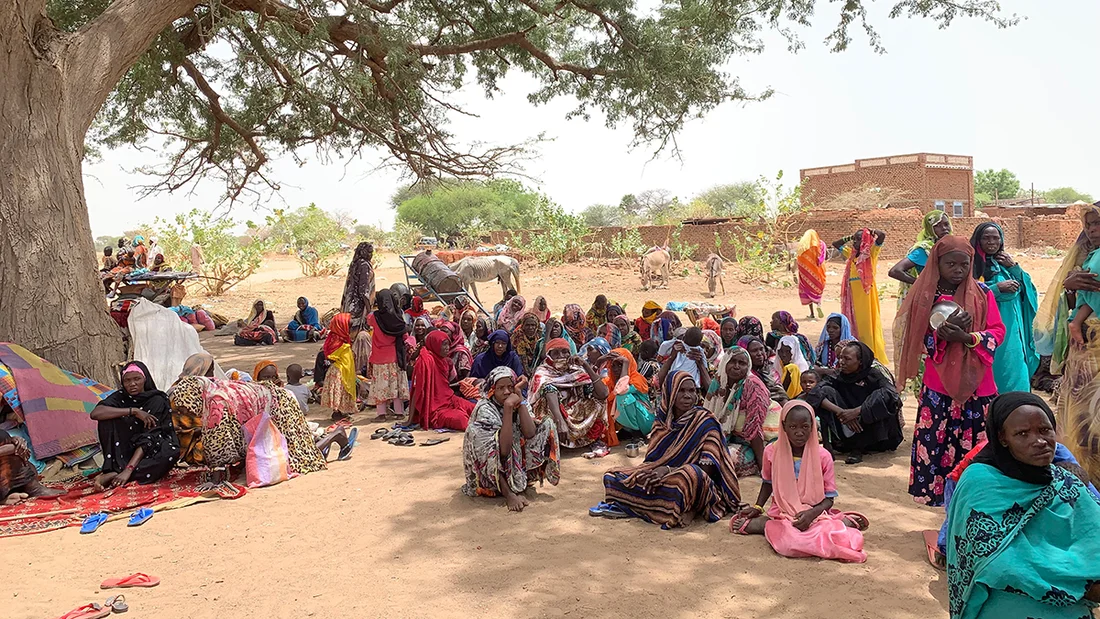
Even before the outbreak of war, humanitarian needs across Sudan were at record levels. For years, millions of people have been internally displaced and living in refugee camps and emergency shelters. The armed conflict has plunged Sudan into the greatest refugee crisis in the world.
“The lethal combination of malnutrition, mass displacement, and disease is growing by the day, and we have an extremely short window to prevent a massive loss of life.”
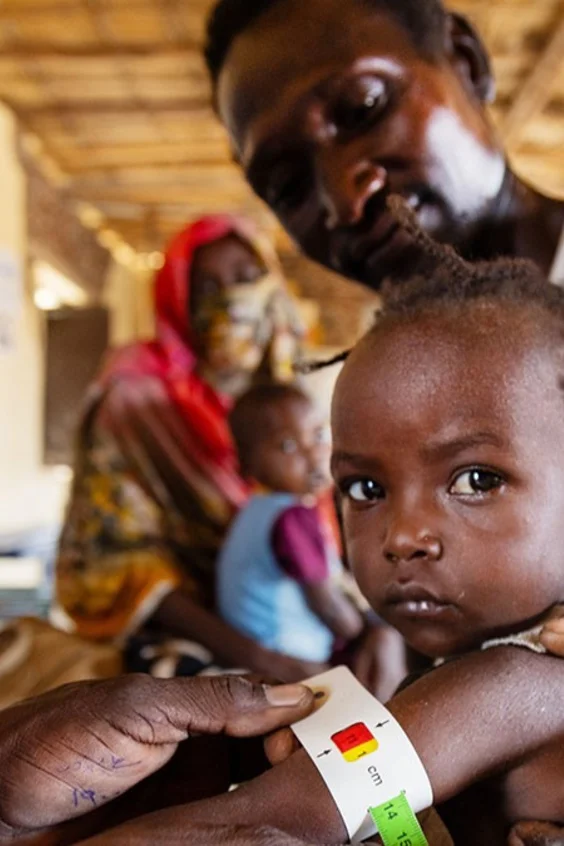
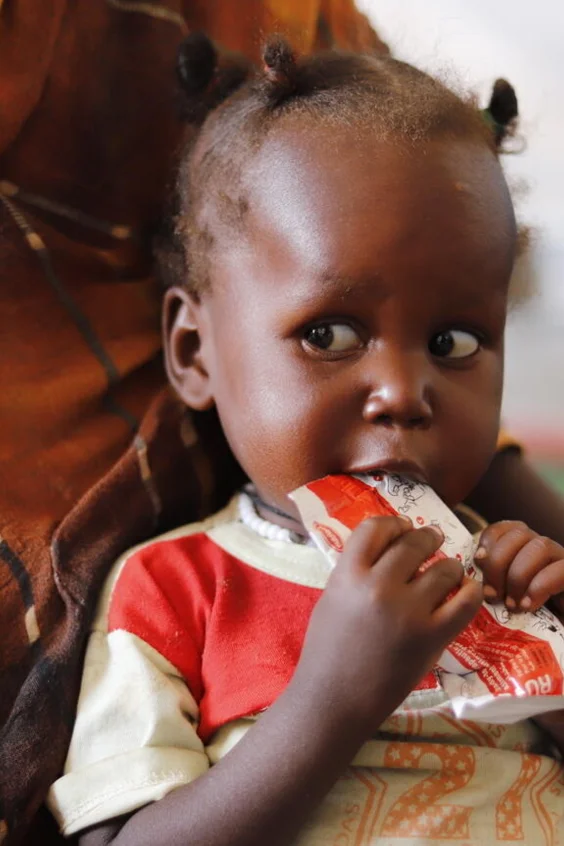
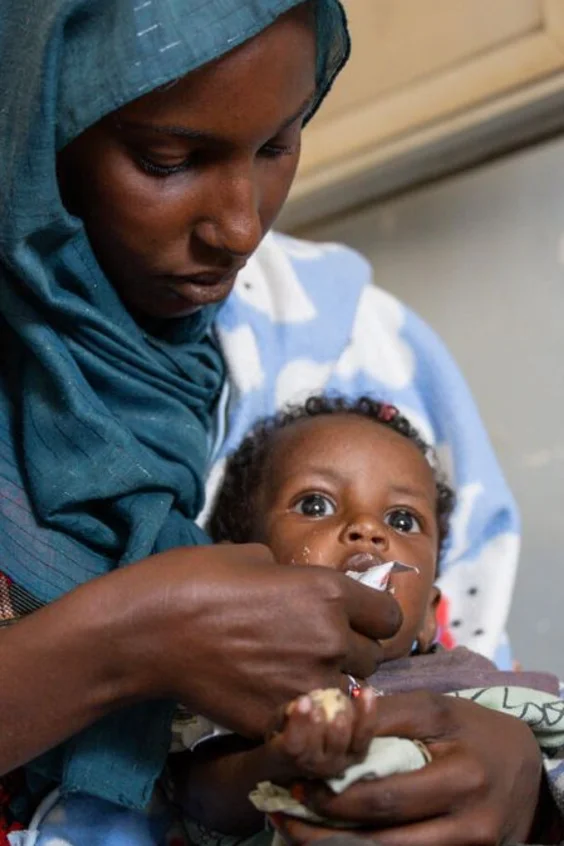
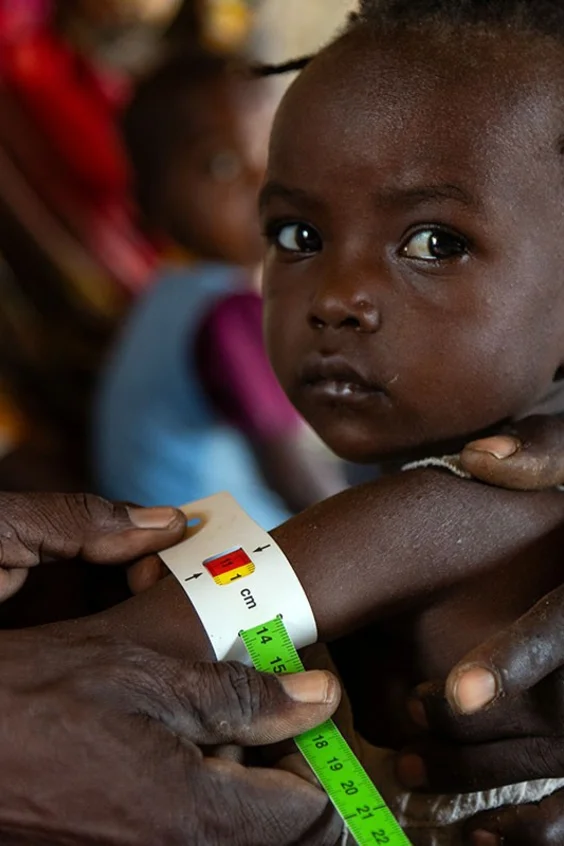
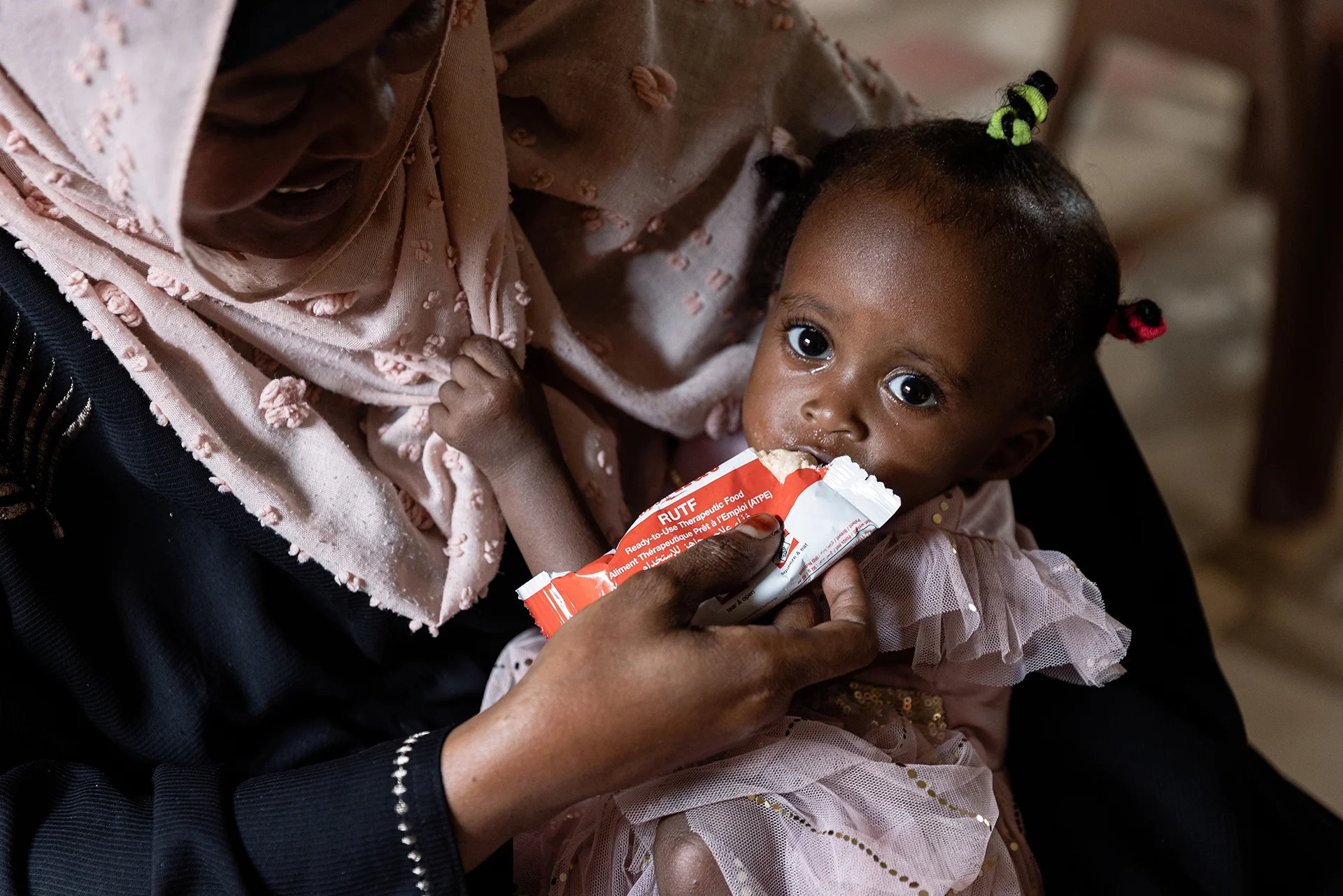
The current conflict is worsening the already precarious situation for children. Families in Sudan lack food, safe drinking water, medical supplies, fuel and shelter. Sudan also has one of the highest malnutrition rates in the world for children under the age of five. However, violent clashes in these conflict hotspots are impeding access to health and nutrition services. Host community resources in Sudan have been exhausted, the health care system is overwhelmed, and overcrowded emergency shelters are experiencing outbreaks of diseases like measles.
The violence and displacement have had severe psychosocial impacts on the health and future of these children.
How your donation helps
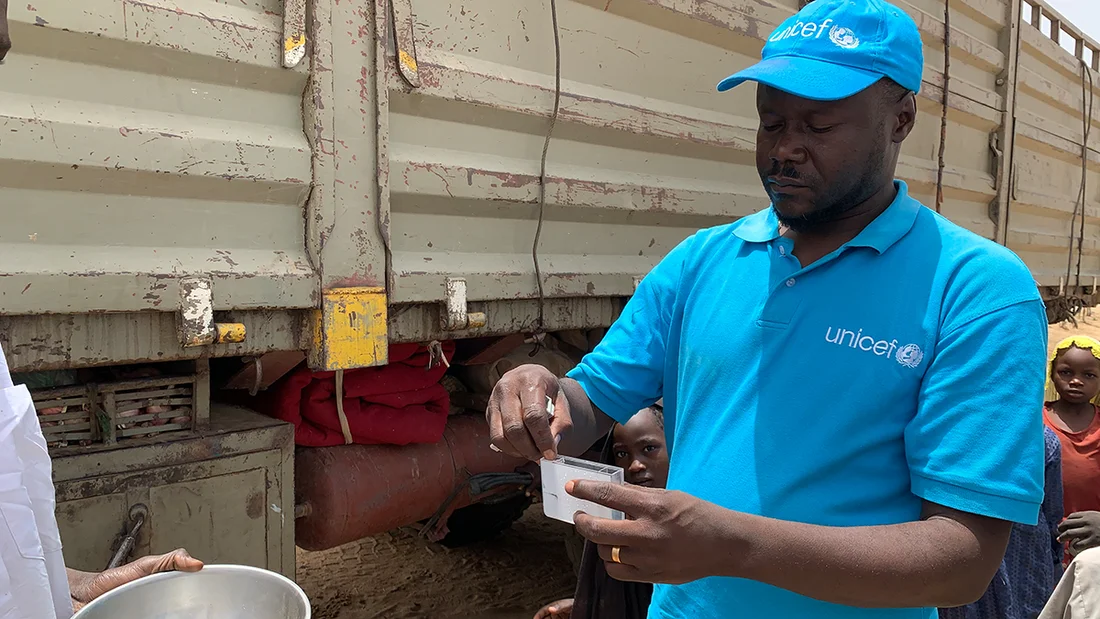
Despite the dangerous security situation throughout the country, UNICEF is working to help children and their families in Sudan. Working closely with partners on the ground, we are striving to get to even hard-to-reach regions and provide vital aid.
In 2025, UNICEF and its partners
- provided over 4.5 million women and children in all 18 states with access to essential health services
- treated over 612,000 children suffering from severe acute malnutrition – 30 percent more than in 2024
- supplied more than 15 million people with safe drinking water
- delivered 50 million vaccine doses
- provided 3.5 million children with access to education, protection measures and psychosocial support
- sent mobile teams and health services facilities to deliver emergency assistance and crisis response services to 6.4 million people in remote areas and conflict zones